Turkey Expands Regional Influence in Lebanon Amid Israeli Political Transition
Turkish President Erdogan is advancing a strategic push into Lebanon and Syria, exploiting political vacuums and economic crises to establish infrastructure and military influence.
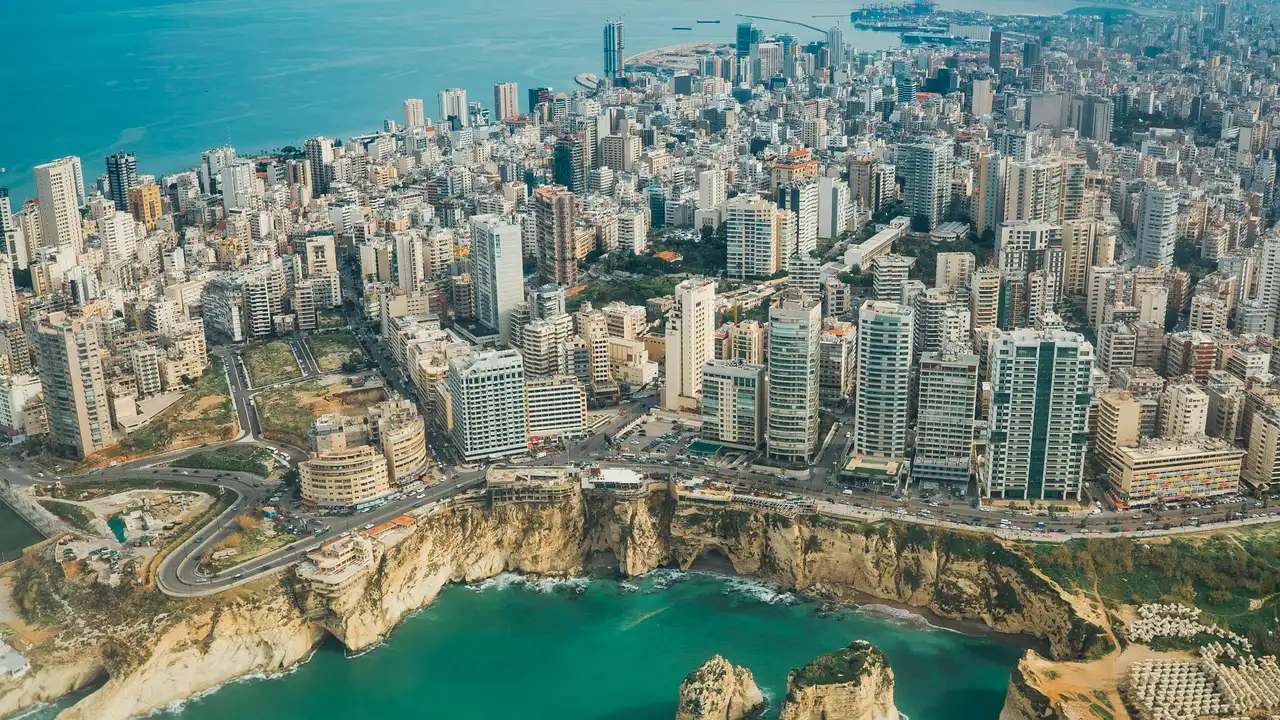
As Israel navigates a period of political transition, Turkish President Recep Tayyip Erdogan is advancing a comprehensive regional strategy to expand Ankara's influence in Lebanon and Syria. This campaign was highlighted by the high-profile visit of his son, Necmettin Bilal Erdogan, to Beirut. Accompanied by business leaders and Turkish institutional representatives, Bilal Erdogan held strategic talks with Lebanese President Joseph Aoun, Parliament Speaker Nabih Berri, and Druze leader Walid Jumblatt. The visit, coordinated with local authorities and initiated by Deputy Prime Minister Tarek Mitri, aims to exploit the political vacuum and the severe economic crisis gripping Lebanon.
Strategic Infrastructure and Economic Ambitions
Beyond traditional diplomacy, Ankara is targeting key economic assets across northern Lebanon, including the Port of Tripoli, the René Mouawad Airbase in Qleiat, and local energy resources. Turkey is also exploring an ambitious railway corridor connecting Saudi Arabia to Turkey through Syria and Lebanon. Such a transport route would position Ankara as a central trade hub and serve as a direct competitor to alternative economic corridors, including the India-Middle East-Europe Economic Corridor (IMEC) where Israel is slated to play a pivotal role. This diplomatic and economic outreach is supported by improving ties between Ankara and Riyadh, with Saudi Arabia granting quiet approval to the engagement as part of broader regional cooperation.
Furthermore, Turkey is expanding its network of educational institutions, charities, and aid foundations. Plans are under discussion to provide services to Palestinian populations as a partial alternative to UNRWA, alongside commitments to rehabilitate war-affected villages. Through these grassroots initiatives, Ankara seeks to cultivate long-term loyalty and political leverage among vulnerable socioeconomic strata, mirroring the domestic strategy employed by the Justice and Development Party (AKP) two decades ago.
Security Implications and Southern Lebanon
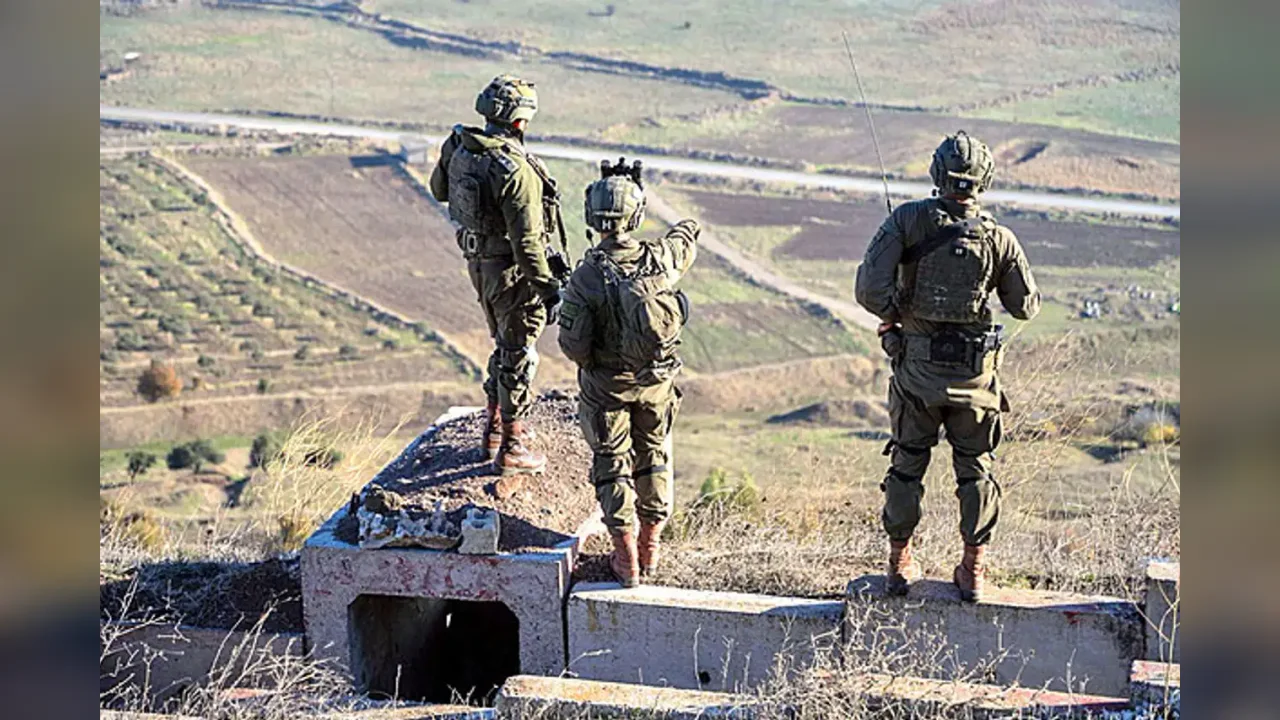
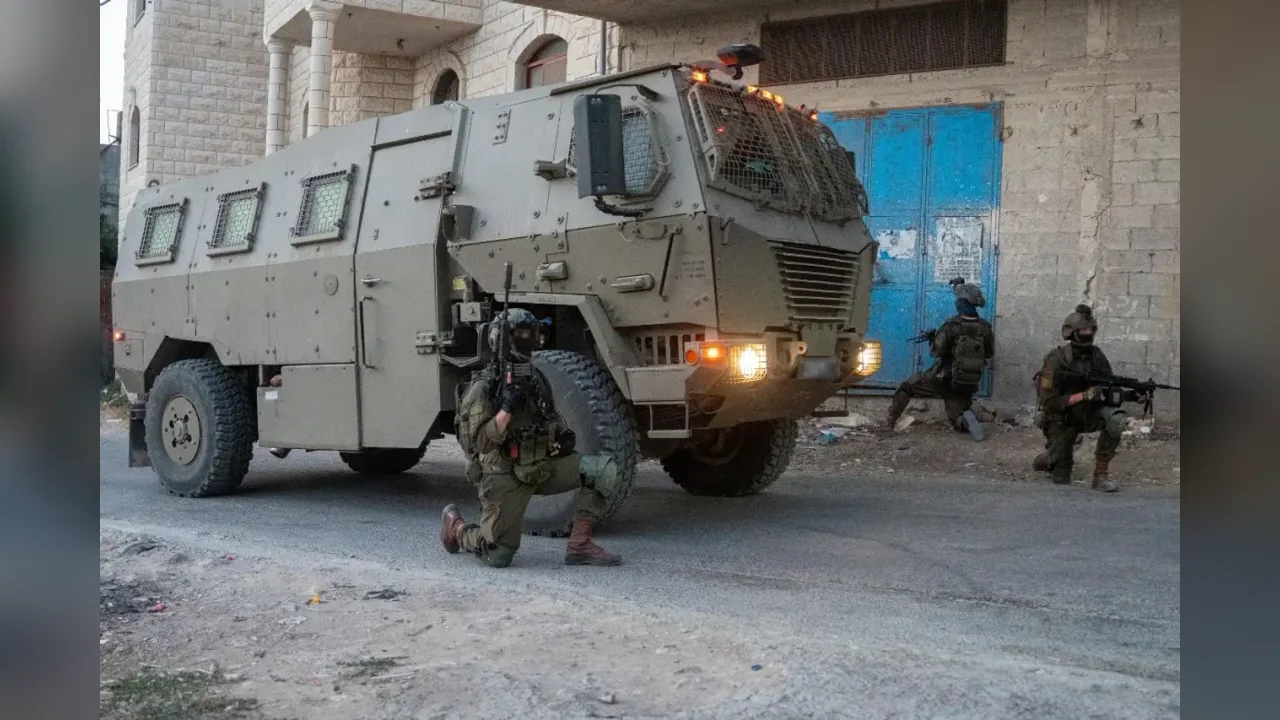
The most acute security concern for Jerusalem centers on military posture. According to regional reports, Bilal Erdogan raised the possibility during his meeting with President Aoun of deploying Turkish troops along the border with Israel following the conclusion of the UNIFIL mandate, contingent upon international approval. Concurrently, Ankara signaled its readiness to equip, train, and provide logistical support to the Lebanese Armed Forces. Turkey currently contributes approximately 700 soldiers to UNIFIL, and any expansion of its military footprint in southern Lebanon risks establishing a new deterrent balance that could restrict the operational freedom of the IDF and complicate future security arrangements.
During his meetings in Beirut, the Turkish leader's son issued pointed warnings regarding Israeli policy in Lebanon and Syria, demanded a full Israeli withdrawal from southern Lebanon, and presented Turkey as a stabilizing mediator capable of balancing relations among Sunnis, Shias, and Druze. Notably, these engagements took place without a formal public meeting with Hezbollah leadership, underscoring Ankara's calculated approach.
The Wider Regional Chessboard and Post-Erdogan Planning
Ankara's maneuvers in Lebanon align closely with its broader objectives in post-Assad Syria. Turkey is working to consolidate its standing in Damascus by supporting the transitional government led by Ahmed al-Sharaa, influencing military restructuring, and managing bilateral ties between Syria and Lebanon while opposing separatist dynamics in southern Syria. This systematic consolidation exacerbates bilateral tensions between Jerusalem and Ankara, elevating the ongoing friction beyond diplomatic rhetoric and sporadic military incidents such as the recent strike in Abu al-Duhur.
Domestically, Turkish political planning is already looking ahead to the 2028 electoral and succession milestones. Strategic assessments indicate a power-sharing model under President Erdogan's oversight, featuring Foreign Minister and former intelligence chief Hakan Fidan managing executive and security portfolios, son-in-law Selcuk Bayrakter serving as a symbol of technological and public appeal, and Bilal Erdogan tasked with preserving the ideological and religious heritage of the ruling party. International visits of this nature systematically elevate Bilal Erdogan's standing within the ruling family's inner circle of power.
The Imperative for a Cohesive National Strategy
Turkish ambitions pose a multidimensional strategic challenge that extends far beyond direct military confrontation, utilizing economic, institutional, and political pressure points across the region. Israeli national security planners emphasize that managing this complex environment requires a proactive and continuous long-term strategy. Key pillars include preserving military deterrence and operational freedom, deepening diplomatic and security coordination with Washington to establish robust deconfliction mechanisms, and reinforcing strategic alliances with Greece and Cyprus to counter external regional pressures.