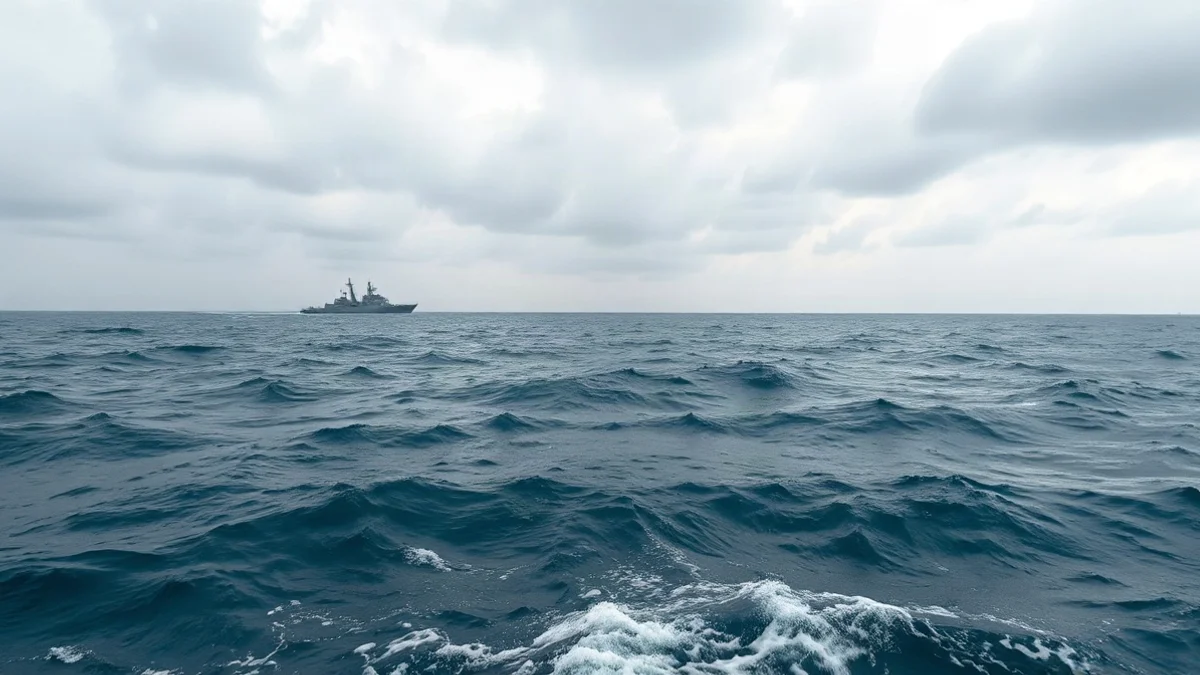
Taiwan Integrates Israeli Defense Tech into Drones Amid Rising Threat
Taiwan integrates Israeli anti-jamming tech into its loitering munitions as defense spending surges toward NATO benchmarks amid rising regional tensions.
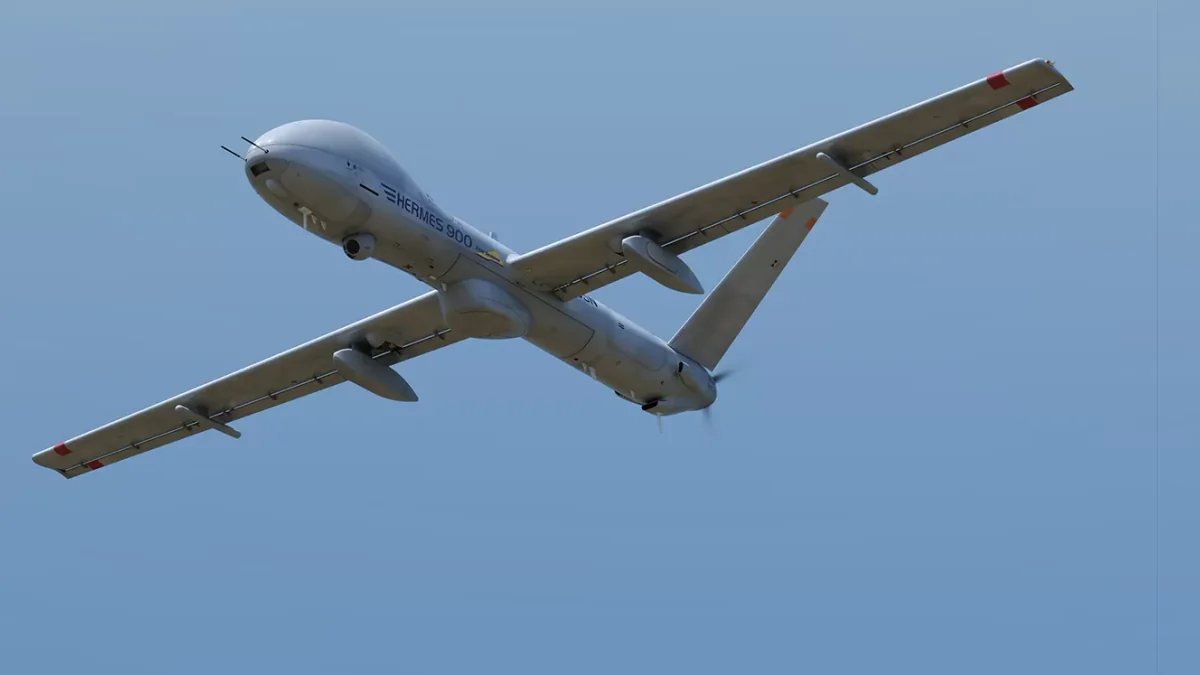
Taiwan is accelerating its defense modernization amid mounting concerns over a potential Chinese invasion, increasingly turning to unmanned systems and integrating advanced foreign technologies. The local defense firm Thunder Tiger recently showcased its loitering munitions to the Ministry of National Defense in Taipei, featuring integrated Israeli-made technologies designed to prevent drone jamming.
Expanding Defense Budgets and Drone Fleets
Because Taiwan cannot match Beijing's sheer manpower, unmanned aerial, marine, and ground systems form a critical pillar of its rapidly expanding defense budget. Defense spending has surged from 411.3 billion New Taiwan dollars in 2020 to 949.5 billion New Taiwan dollars this year, representing an increase from 2.08% to 3.32% of GDP. The government has already approved a defense budget of approximately 1.225 trillion New Taiwan dollars for next year, with a stated target of reaching 5% of GDP by 2030, matching NATO's benchmark five years ahead of the alliance.
Founded in 1979 in Taichung as a remote-controlled hobby manufacturer, Thunder Tiger transitioned to the defense sector in 2015 through its TTRobotix division. The company now produces uncrewed aerial, ground, and water vehicles. During the AUSA defense exhibition in the United States, Thunder Tiger drew significant attention after securing the prestigious American Blue UAS certification, which verifies that none of its components originate in China. This certification enables US federal agencies and military units to procure and operate its platforms without requiring specific waivers. Other Israeli firms, including Airobotics and Percepto, have also received similar US certifications.
International Markets and Geopolitical Hurdles
One of Thunder Tiger's flagship products, the Papa Delta, features a delta-wing design reminiscent of the Iranian Shahed 136 and the American LUCAS, aimed at affordable mass production. Thunder Tiger deployed the Papa Delta to Ukraine for field testing, a move confirmed by CEO Su Chin-hsiang. Although Ukrainian officials were impressed, Kyiv ultimately declined to make a purchase due to economic factors and geopolitical constraints, as China remains Ukraine's largest trading partner and adheres strictly to the One China policy.
Despite such diplomatic sensitivities, international defense trade continues to expand. Bloomberg reported that Saudi Arabia emerged as Taiwan's largest drone customer in June, purchasing 3,260 UAVs for 47.2 million dollars. Driven by strong manufacturing capabilities, Taiwan's drone exports surged by 2,000% to approximately 93.4 million dollars, with primary shipments heading to the Czech Republic and Poland, largely destined for Ukraine.
Diversifying Defense Partnerships
A senior Taiwanese official emphasized the potential for bilateral industrial cooperation:
"We would be happy to deepen cooperation between the defense industries of Israel and Taiwan. You can bring your innovation, and we will bring our scale-up capability."
Despite increasing domestic production, Taiwan faces severe diplomatic isolation regarding military imports. According to data from the Stockholm International Peace Research Institute, Taiwan ranked 34th among global arms importers between 2021 and 2025, accounting for 0.8% of global trade. The data underscores a heavy reliance on a single primary supplier, with 96% of its defense imports originating from the United States, alongside minor imports from Italy and Germany, driving Taipei's urgent push to diversify its supply chain and technological partnerships.