Blepharitis Causes and Daily Eyelid Hygiene to Relieve Chronic Eye Itching
Persistent eye itching and irritation are frequently caused by blepharitis, an eyelid inflammation affecting up to 20 percent of people. British physician Dr. Philippa Kaye outlines daily hygiene routines and common mistakes to prevent recurring discomfort.
Persistent eye itching is often dismissed as a minor nuisance, but continuous rubbing damages the delicate skin of the eyelids and worsens irritation. According to British family physician Dr. Philippa Kaye, writing in health commentary, the most common cause of this condition is blepharitis, an eyelid inflammation affecting up to one in five people.
The condition can significantly disrupt daily routines, prevent the use of contact lenses, and even impair sleep quality. While blepharitis is not an infection in itself, secondary infections can develop, and the ailment tends to flare up and subside periodically.
Causes and Symptoms of Blepharitis
Common symptoms include red, swollen, itchy, and flaking eyelids, a gritty sensation in the eye, excessive watering, and sticky eyelids upon waking. Kaye explains that oil-producing glands in the eyelids, which normally prevent tear evaporation, become blocked and inflamed. As a result, the eye dries out and compensates by producing excess tears.
Several environmental and physiological factors can exacerbate the condition, including cold weather, menopause, cosmetic allergies, pool chlorine, and dehydrating medications. Although rare, severe flare-ups require careful management to prevent complications.
Daily Hygiene and Treatment Routine
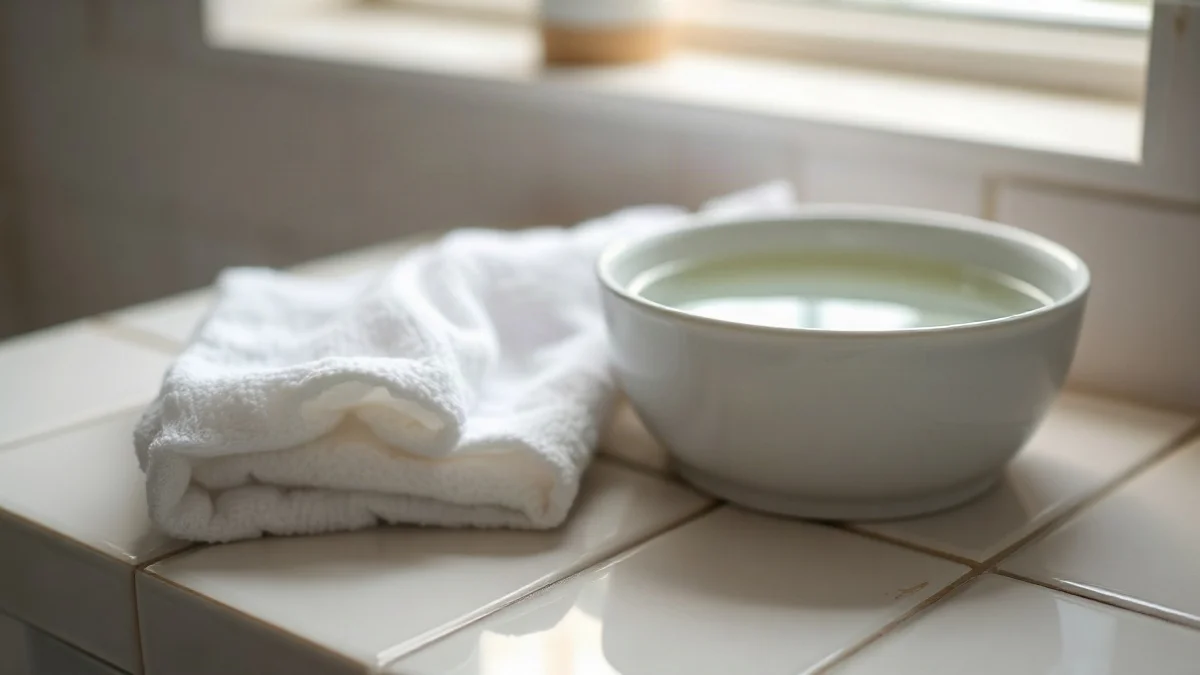
Primary treatment relies on daily eyelid hygiene to soften oils and unclog blocked glands. After washing hands and removing eyewear, Kaye recommends placing a clean cloth soaked in warm water—tested first on the wrist for safety—over closed eyes for five to ten minutes.
Following the warm compress, patients should gently massage the eyelids toward the lash line without applying pressure directly to the eyeball, then clean the lash roots with cooled, boiled water. Individuals with glaucoma or a history of eye surgery must consult a physician before performing eyelid massages.
Common Mistakes and Medical Guidance
Patients should repeat this cleansing routine twice daily, reducing it to once a day once symptoms improve. A frequent mistake is stopping the hygiene routine entirely upon feeling relief, which triggers an immediate recurrence of symptoms.
During an active flare-up, experts recommend avoiding eyeliner and mascara entirely. Liquid and gel eyeliners or mascaras should be replaced every three months, cream eyeshadows every six to twelve months, and powder shadows every one to two years. Preservative-free eye drops and reduced screen time can also help manage associated dryness.
If symptoms do not improve or begin to worsen, patients should consult an optometrist or family physician, who may prescribe antibiotic ointments. Severe eye pain, intense swelling, or sudden vision changes require urgent medical evaluation.