Berlin Set for Left-Wing Coalition as Die Linke Revives Rent Control Plans
Left-wing party Die Linke is set to lead Berlin's new coalition, reviving plans for strict rent caps and the nationalization of major corporate housing portfolios. The ambitious agenda has paralyzed the local real estate market, sparking deep concerns among private investors.
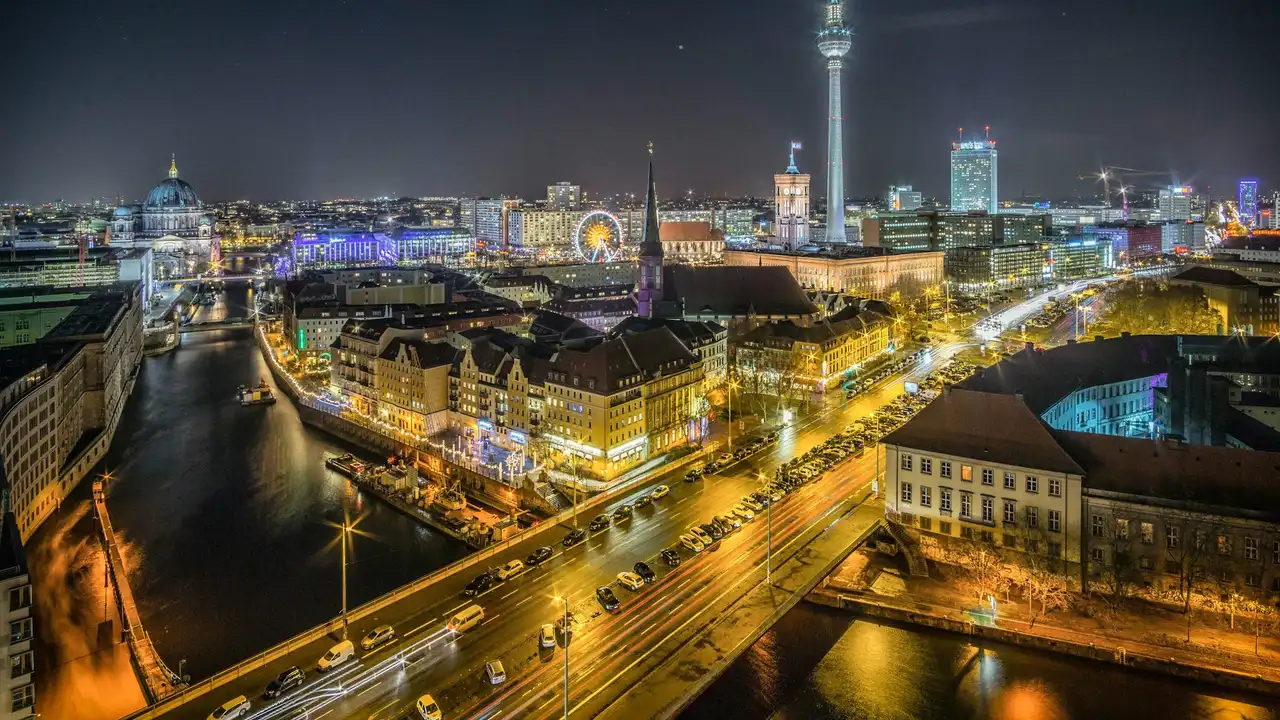
Real estate holders in Berlin, including thousands of Israelis who rushed into the booming market over the past two decades, remember with dread the rent cap reform that shook the German capital six years ago and made international headlines. The policy included an arbitrary double-digit reduction in maximum allowable rents, contract oversight, and tens of thousands of euros in refunds to tenants who paid excessive rates. One year after taking effect, it was struck down by the Federal Constitutional Court in Karlsruhe and discarded.
However, the party behind the policy did not fade. In Berlin's local elections, the left-wing party Die Linke surged to become the most popular political force in the German capital, capturing nearly 25 percent of the vote. Die Linke announced the success of preliminary exploratory talks with the Greens and the Social Democrats to form a governing coalition in Berlin, this time with the party at the helm.
This marks an unprecedented achievement for the hard-left party, which traces its lineage back to the ruling party of former East Germany. Die Linke holds radical positions on defense, opposing the German armed forces and NATO, advocates for voting rights for asylum seekers, and has faced severe criticism regarding anti-Semitism within its ranks, alongside harsh anti-Israel stances that included labeling actions in Gaza as genocide.
The newly announced coalition outline, forged after tense negotiations, has sent shockwaves through real estate investors holding properties in Berlin. During the press conference announcing the agreements, Elif Arelp, poised to become Berlin's next mayor, wore a necklace featuring the slogan Mietendeckel, referring to the invalidated rent cap reform.
The coalition's flagship pledge is the nationalization of major corporate landlords holding portfolios of over 10,000 apartments. Five corporate giants currently meet this threshold: Vonovia, Adler, Heimstaden, Covivio, and DVI. While a past local referendum supported acquiring companies owning more than 3,000 units, it was non-binding. Die Linke and its partners now aim to acquire these corporate portfolios for a maximum price of 16 billion euros.
This complex maneuver faces steep hurdles, as the federal government has vowed to block it through legislation, and financing remains uncertain. The goal is to bring approximately 160,000 apartments under municipal management out of roughly two million total residential units in the capital.
The coalition has also agreed on measures directly impacting private landlords. Authorities plan to accelerate the completion of Berlin's rental contract registry to ensure landlords do not exceed the municipal rent control ceiling, known as the Mietspiegel. While the regulated rate ranges between 7 and 9 euros per square meter for average apartments, actual unregulated market rates frequently reach 15 to 20 euros per square meter.
The coalition agreement stipulates strict enforcement against illegal short-term rentals and loopholes allowing inflated prices for furnished apartments. Medium-scale property owners will be mandated to allocate a specific percentage of units to low-income residents under public housing schemes by mid-next year. Meanwhile, rent increases for municipal corporate housing will be capped at two percent annually, and the city aims to issue building permits for 100,000 new affordable housing units.
Financing these ambitious plans presents a formidable challenge, given Berlin's existing 68 billion euro deficit and federal mandates requiring annual budget cuts of one billion euros. The coalition projects a 5 billion euro budget shortfall, excluding the multi-billion euro costs of corporate nationalization, which would rely on massive new debt. To generate roughly 400 million euros annually, the coalition intends to raise taxes, potentially increasing the property acquisition tax from six percent to eight percent.
Berlin's real estate market has experienced a complete paralysis in anticipation of these political shifts. Property prices in the German capital have already dropped by 20 percent over the past two years, signaling to international investors that foreign capital is unwelcome.