Who will Smotrich run with and who will drop out? The questions deciding the election
With ten days left until the finalization of the 2026 election lists, political parties are navigating critical decisions regarding mergers, reserved spots, and candidacy. Key uncertainties include Netanyahu's strategy, the future of Ra'am, Gantz's next move, and the potential for last-minute political 'stars'.
Only a week and a half remains until the closing of the lists for the Knesset elections on October 27. Some parties — such as Likud, the Democrats, and Religious Zionism — have already held primaries, but even for them, the lists are not final. The full picture of the contestants in each bloc is not yet closed, and many other questions remain open.
1. Will Yoav Saglovich join Ra'am?
The former Deputy Minister of Internal Security left Yesh Atid and is holding talks with Ra'am chairman Mansour Abbas regarding the possibility of joining the list. The move is part of an attempt to prevent the categorical disqualification of Ra'am as a member of a future coalition — a disqualification that comes not only from the right-wing bloc but also from most of the parties included in the "Change" camp. Despite optimistic reports about the contacts, the talks have not yet matured into an official announcement.
2. Last-minute additions for Eisenkot, Bennett, and Lieberman?
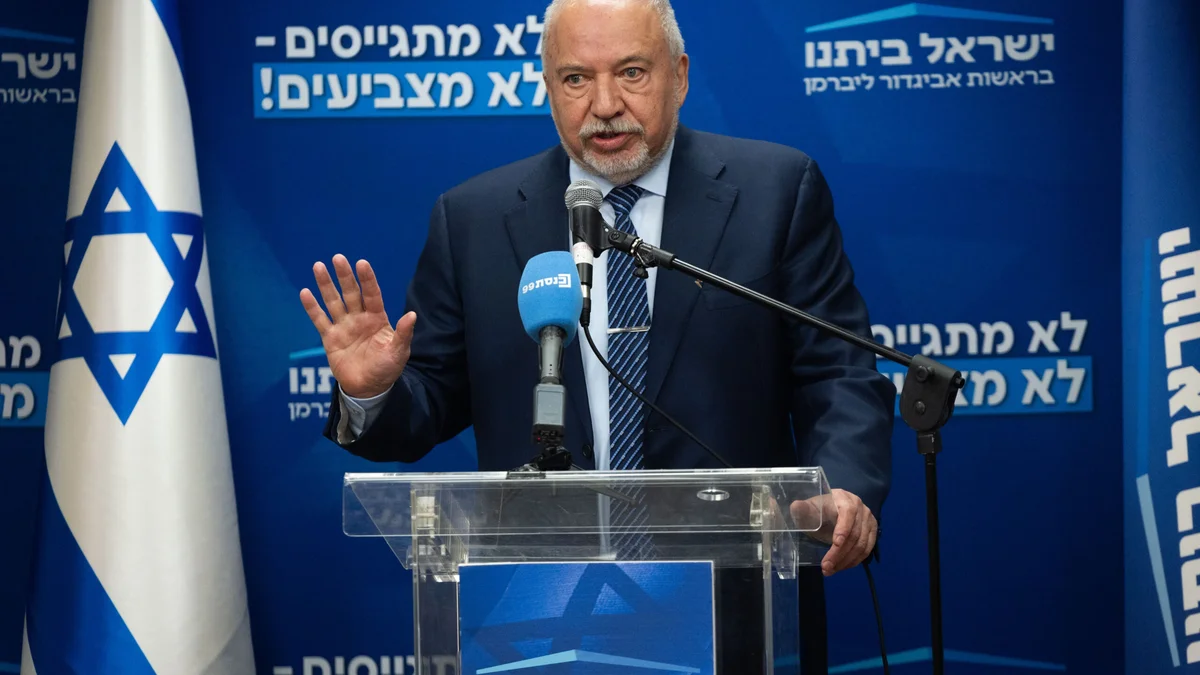
According to polls, the "Together" party of Naftali Bennett and Yair Lapid has more candidates than mandates. Yisrael Beiteinu also has no shortage of names. The only center party that has not yet filled its ranks is Gadi Eisenkot's "Yashar!". With polls predicting 23-25 mandates, his recent recruitment of Elazar Stern and Roy Folkman strengthens his position.
3. Reserved spots in Likud
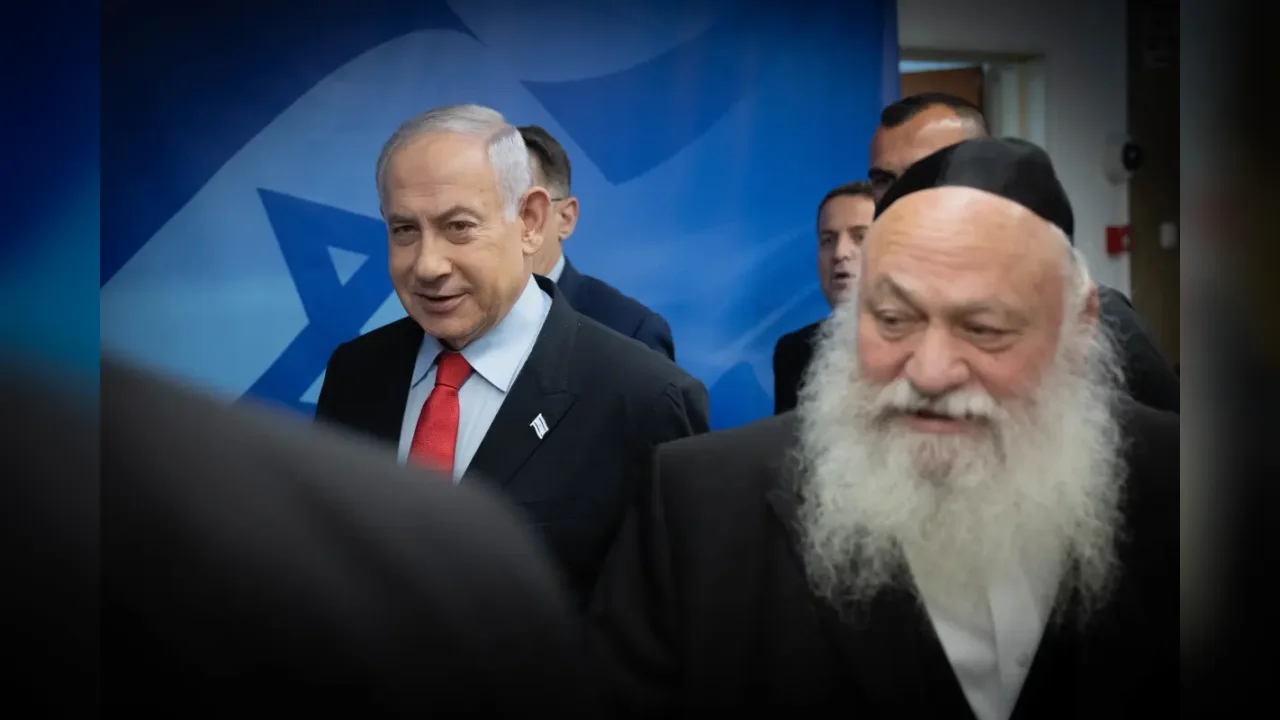
Likud chairman Benjamin Netanyahu has so far reserved only one external candidate — businessman Oren Dubronsky. In the coming days, he may try to address the lack of women on the list and continues to be in contact with former Kulanu chairman Moshe Kahlon to add a candidate focused on economic and social issues.
4. Who will Smotrich run with?
Due to the firm refusal of Winter and Ben Gvir to unite with him, the most reasonable possibility is that Bezalel Smotrich and three of his Religious Zionism allies will merge into the Likud list as reserved candidates. Netanyahu dislikes this option, but it may be a necessary evil to consolidate the right.
5. Unification on the right
The chances for significant right-wing mergers remain small. Otzma Yehudit is stably crossing the electoral threshold alone, potentially positioning Itamar Ben Gvir for a senior role. Ofer Winter's "Am Yisrael" party is also gaining traction, attracting disappointed right-wing voters. Winter aims for the Ministry of Defense and is acting independently, complicating Netanyahu's efforts to consolidate the bloc.
6. Will Gantz demand the top spot?
Many are questioning whether Gantz will insist on running alone despite poor polling. He has admitted to conducting parallel negotiations and hinted that his ego would not be an obstacle, though he continues to publicly demand the top spot.
7. Who will drop out at the last minute?
Several small satellite parties, including the "Zionist Home - Reservists," the "Unity" party, and others, are failing to cross the electoral threshold. It is expected that most will not submit final lists if no major merger occurs, as they seek to avoid wasting votes.
8. Will there be a last-minute "star"?
Most familiar names have already boarded the moving train. While some parties promise surprises, the pool of high-profile candidates is nearly exhausted. Likud is still looking for stars from the high-tech sector, but for most parties, the current lists are likely the ones that will be submitted in a week and a half.