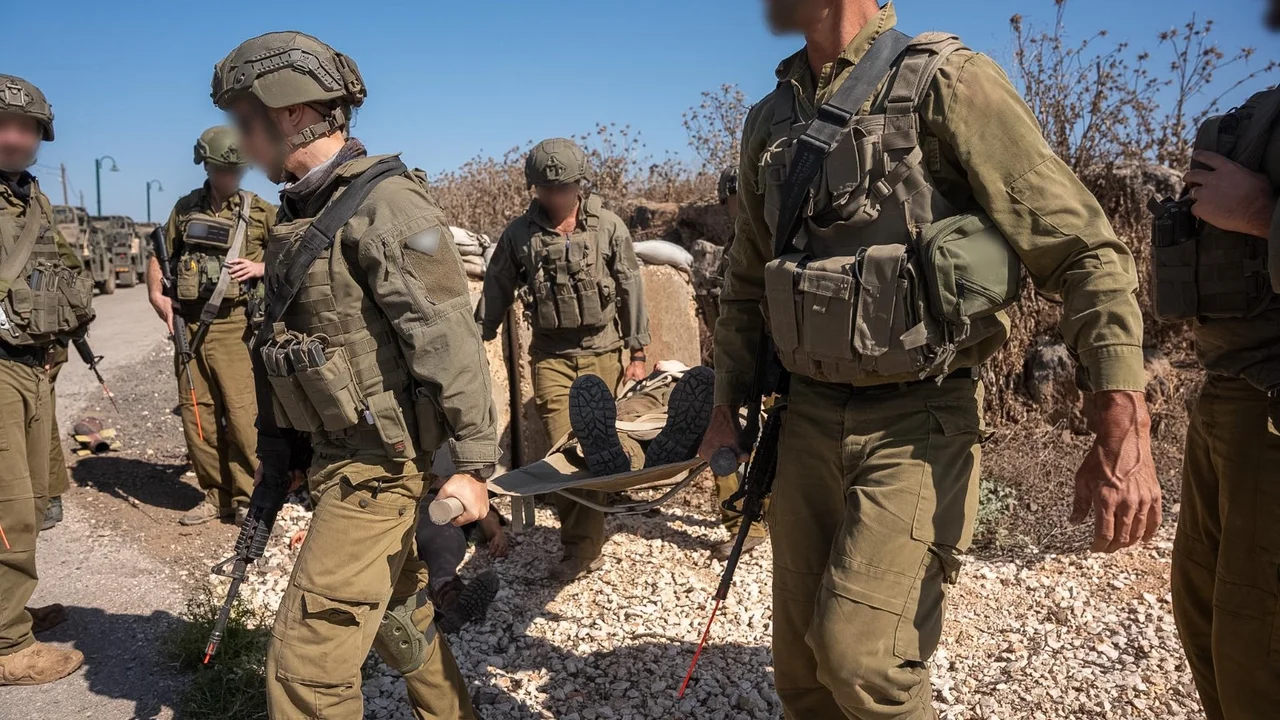
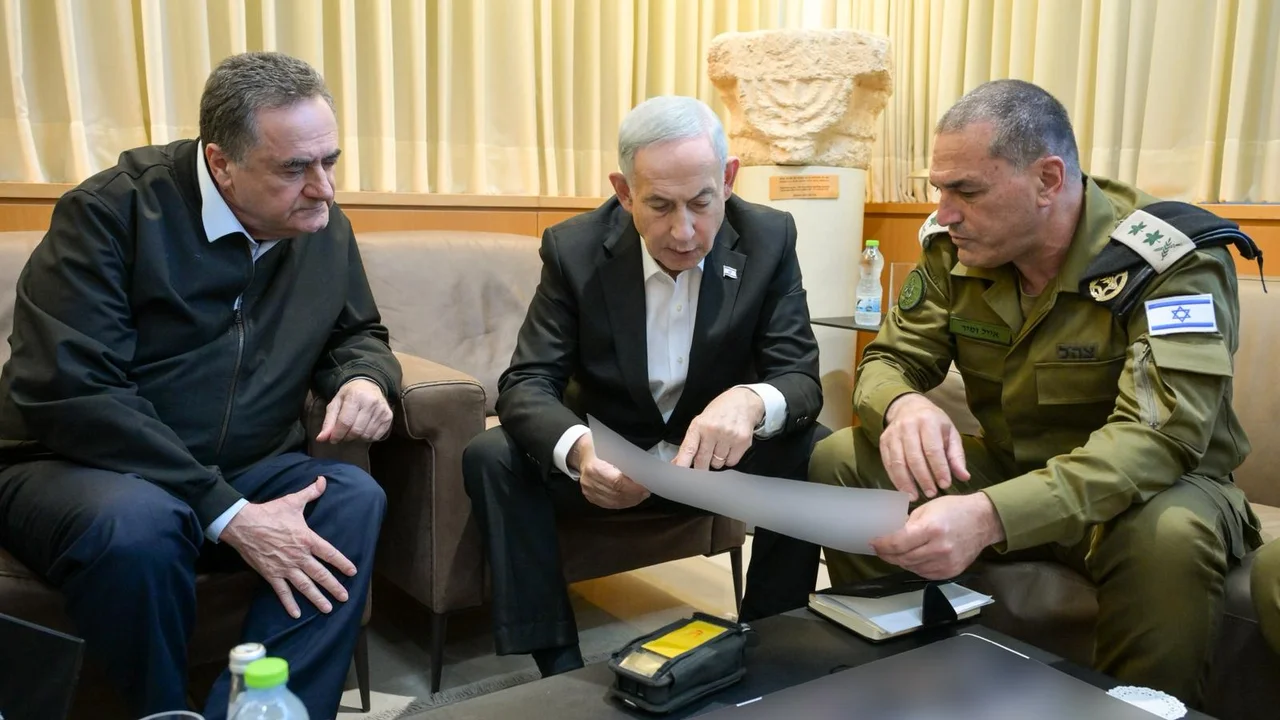
After the turmoil: The step attempting to rehabilitate the Bedouin Reconnaissance Battalion
After months of storms that included involvement in smuggling to Gaza, allegations of sexual harassment, and the lack of a permanent commander, the IDF is trying to set the battalion on a new path. 60 young men from the community completed a dedicated preparatory program designed to bridge gaps and strengthen readiness for enlistment.
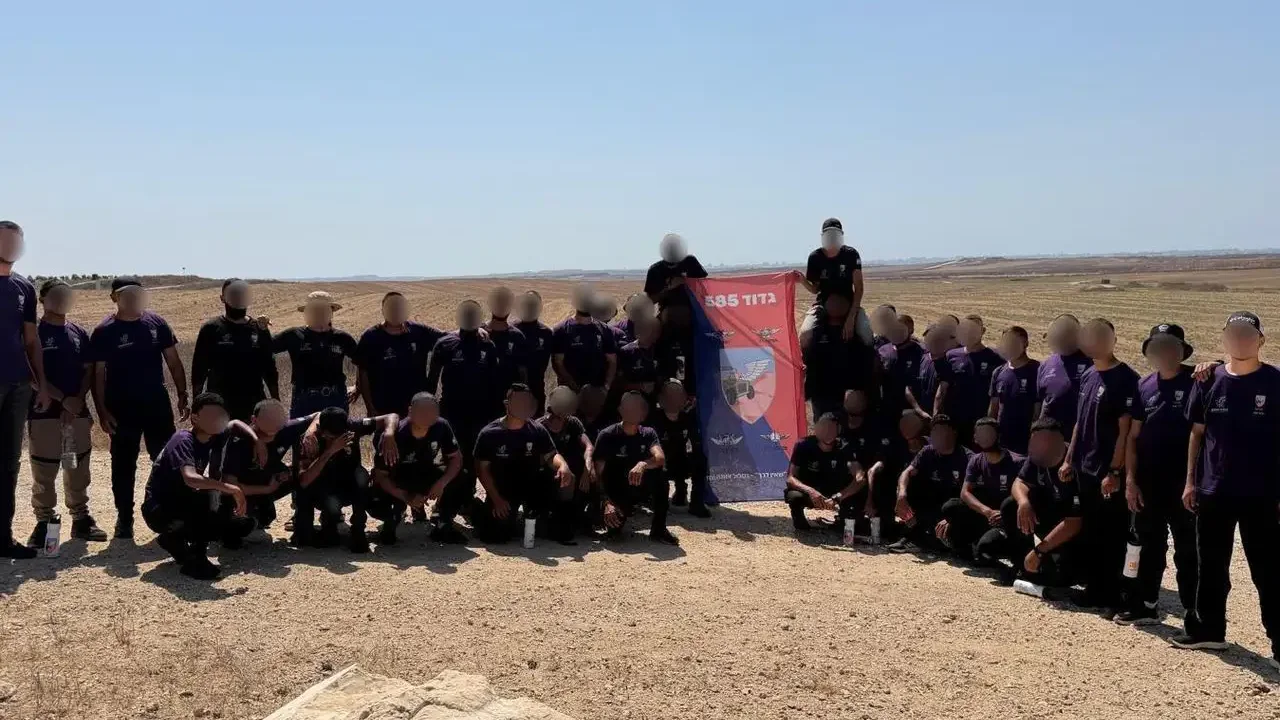
The step that signals the end of the crisis? After many upheavals that the Bedouin Reconnaissance Battalion has undergone in recent months, including the involvement of those serving in it in smuggling to Gaza, allegations of sexual harassment, and a lack of a commander for over half a year, sparks of optimism were seen this past week; 60 young men from the sector completed a dedicated preparatory program, "Hiznek," which was built especially for them ahead of their service in the battalion.
Cynics will wonder what the purpose of a program tailored specifically to the measurements of the future service members in a battalion that has experienced countless storms over the past year, ones that left it with a bad reputation; but those will be able to find the answer in those very storms. "The program provides an answer to needs that arose in the field, such as bridging cultural and linguistic gaps and upgrading readiness for the military system even before the first meeting with commanders in basic training," say those familiar with the details.
Thus, the daily schedule and framework were built to provide an optimal response to the main challenges that the future fighters are expected to encounter; among other things, the language barrier was cracked through Ulpan classes, and the physical aspect was measured every day through frequent physical training. In addition, during the program, lessons on heritage, nationality, and conversations about state symbols were held in order to strengthen the recruits' sense of belonging and partnership.
However, there is no dispute that these lessons constitute a rather complex point in a country that, on one hand, encourages and demands enlistment for all, and on the other hand, treats citizenship in a completely different way towards members of the community. Nevertheless, as far as IDF policy is concerned, it seeks to realize one of its fundamental values—the "people's army" model—and therefore tries to adapt itself in every way to absorb as many recruits as possible into its ranks.
"I wanted to enlist in the army and do a meaningful service. I had concerns, mainly how to get used to a new place now, and certainly a serious place like the army, but the last few weeks have given me more self-confidence. This is what I needed right before the enlistment, I feel more ready and suitable. There is a lot of desire in me to contribute, and the army is a place that is suitable for this; to give of yourself, and after that also to receive back, to feel that you have a place," one of the program graduates said.
Meanwhile, the program joins dozens of similar programs carried out this year as part of the "12th Year" program of the Manpower Directorate and the Ministry of Defense, in which teenagers who are graduates of 11th-12th grades are allowed to join "Hiznek" preparatory programs at no cost.