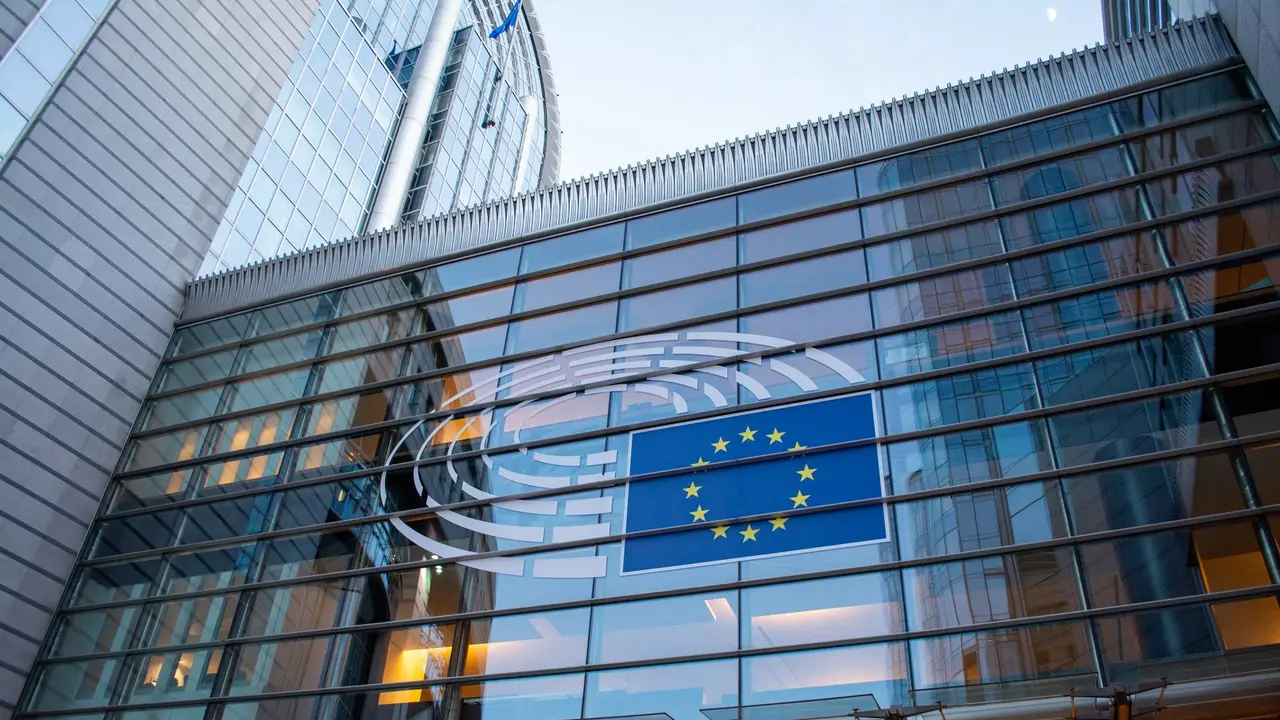
Following the arrest warrants against Netanyahu and Putin: The Hague court struggles for its existence
World press headlines: The US claims an Egyptian bank helped Iran bypass sanctions through transactions of about $1.8 billion via its branches in the Emirates; The International Criminal Court is facing a severe crisis of pressure from the US and other countries following the arrest warrants against Netanyahu and Putin; and the US has renewed the travel advisory for Israel to level 3, recommending reconsidering travel.
About the world press headlines
Against the backdrop of the constantly evolving security situation, the lens of the world media reveals unique perspectives on what is happening in the country. Every day we present a short daily review of what is written in the world media about Israel to decipher how things here look from overseas.
The articles presented are taken from major newspapers around the world and do not necessarily reflect the worldview of Globes.
1. In the US, an Egyptian bank is accused of helping Iran bypass sanctions
The Central Bank of the UAE announced it would examine the activities of Banque Misr in the country after the US Treasury Department claimed its branches in the Emirates helped Iran bypass sanctions, according to the New York Times. At the center of the allegations are transactions totaling about $1.8 billion that passed through the branches between January 2024 and June 2026. According to the Americans, some funds were transferred via a network of shell companies, allowing Iran to gain access to dollars. The US Treasury Department defined the bank as a "critical node in the Iranian regime's access to US dollars."
Following the findings, the Treasury Department proposes to disconnect Banque Misr's branches in the Emirates from the US financial system. US Treasury Secretary Scott Bessent clarified that the move is part of the renewed economic pressure the Trump administration is exerting on Iran. "The Treasury Department has promised to cut off every remaining economic artery for Tehran and put an end to the threat from the Iranian regime once and for all," he stated.
2. In a confrontation with the US, Russia, and other countries: The Hague court in crisis
The International Criminal Court in The Hague has fallen into one of the most difficult crises in its history following the issuance of arrest warrants against Benjamin Netanyahu and Russian President Vladimir Putin, according to the Wall Street Journal. The warrants were intended to show that even powerful leaders are not immune, but the move has brought the court into a confrontation with the US and other countries, threatening its ability to function.
The Trump administration imposed sanctions on the court's president, Tomoko Akane, and on Abdoulaye Seye, who is leading the investigation against Israel. At the same time, it became clear how difficult it is for the court to enforce its decisions: Putin visited Mongolia and Tajikistan, but neither complied with the demand to arrest him. An internal crisis also emerged after Chief Prosecutor Karim Khan was dismissed following allegations of sexual misconduct. Foreign Minister Marco Rubio explained the American opposition, stating that the court "has repeatedly tried to apply its authority to citizens of countries that did not ratify the Rome Statute," creating a dangerous precedent.
3. The US continues to warn against traveling to Israel due to the security situation
The US State Department has renewed the travel advisory for Israel and is calling on citizens to reconsider traveling to the country due to fears of terrorism and possible escalation, according to Fox News. The general warning level remains at level 3, meaning "reconsider travel," though level 4 remains in effect for areas adjacent to the Gaza Strip, parts of northern Israel, and the border area with Egypt.
The State Department emphasizes that the security situation in Israel can change quickly. However, the latest update included one relief: family members of US government employees can now join them in Israel. Travelers are advised to avoid demonstrations and gatherings and to have a plan in advance for leaving Israel in an emergency that does not depend on the assistance of the US government.