After 140 years: A company that played a role in the moon landing files for bankruptcy
The veteran battery company Varta has filed for bankruptcy, partly due to the cancellation of a major contract with Apple. Conversely, Chinese chip manufacturer CXMT surged 500% on its first day of trading on the Shanghai Stock Exchange. The story of these two firms highlights the contrast between Germany's declining economy and China's rapid growth.
An ocean separates these two brands. The battery manufacturer Varta is a German company with nearly 140 years of history, whose stock trading was halted in March 2025; CXMT is a ten-year-old Chinese company that broke records during its first week of trading. The former produces products of the past, the latter produces products of the future. Analog versus digital.
These companies embody a larger narrative: how the Chinese economy is outpacing the German one. Varta, whose products were used as early as the late 19th century in North Pole expeditions and later in the first moon landing, filed for bankruptcy proceedings in the Stuttgart court this week. The company faces insolvency heading toward 2027. The situation stems from market conditions, exchange rate fluctuations, low demand, and the fact that its key anchor, Apple, terminated its contract to source AirPods batteries from a Chinese firm.
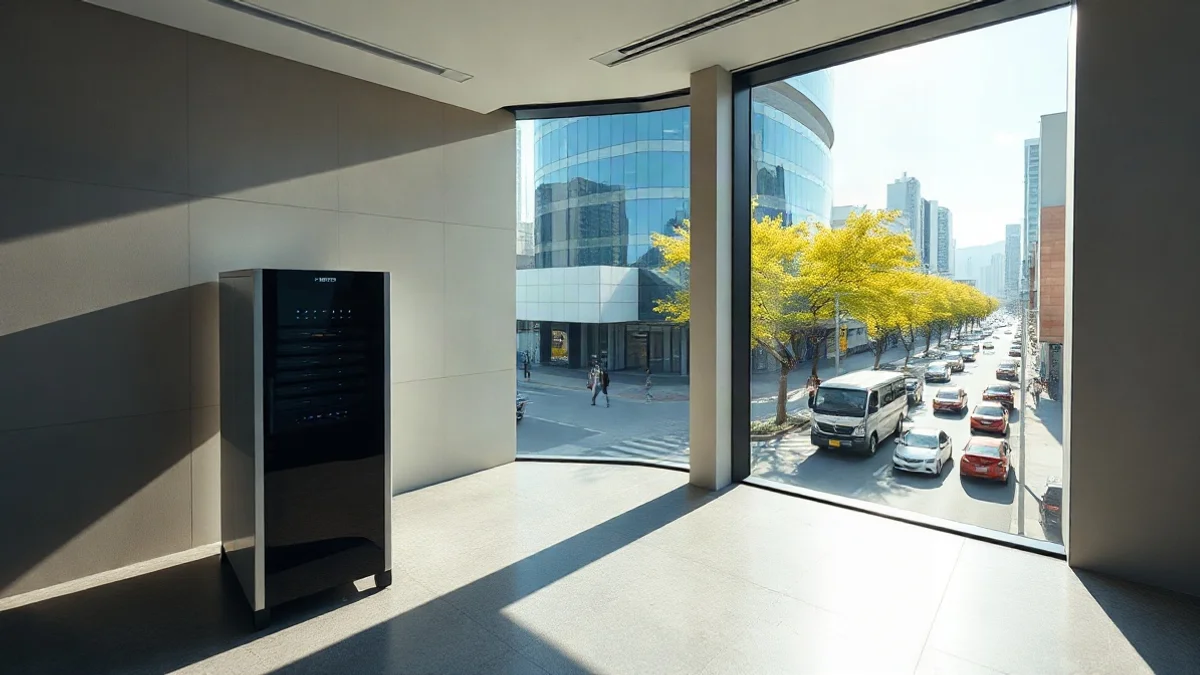
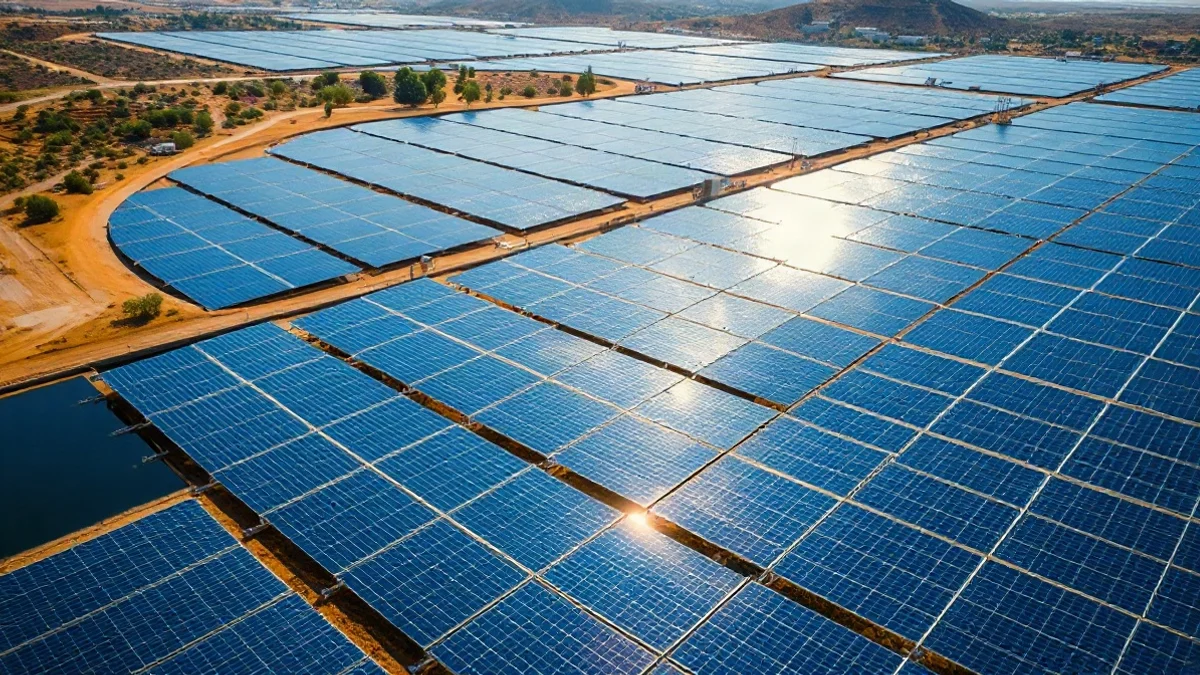
Varta's shareholders, including Porsche, have announced they will cease financing. The home energy storage operation is not part of the bankruptcy application and will be reorganized as a separate division. While 3,200 employees will continue their work, the future of other divisions remains unclear. Beyond the economic impact, this procedure will damage Germany's solar storage market, reduce funding for local innovation, and increase dependence on Chinese production.
What happened with CXMT represents the opposite process: China's relentless attempt to gain complete independence from the West in the chip industry. Headquartered in Hefei, the company's vision began over 20 years ago in Silicon Valley. Founder Zhu Yiming wrote in 2016: "The memory chip industry has migrated from the US to Japan, and from there to Korea. Now it is China's turn."
This week, the company began trading on the Shanghai Stock Exchange. As the world's fourth-largest RAM chip manufacturer, its stock price soared by over 500%, reaching a valuation of 420 billion euros—making it China's most valuable public company. Success is driven by timing and the AI-fueled demand for memory. The company's three factories are operating at maximum capacity, supplying giants like Xiaomi and Alibaba. In the first quarter of 2026, revenue exceeded 7.5 billion dollars. CXMT's success is a geopolitical milestone in China's quest for total economic independence in the critical field of artificial intelligence.