Waiting for Black Friday Sales on Amazon May Cost You More, Study Shows
A study by the Groundwork Collaborative reveals that nearly 60 percent of Amazon promotional items cost the same or more during Black Friday compared to the prior 90 days.
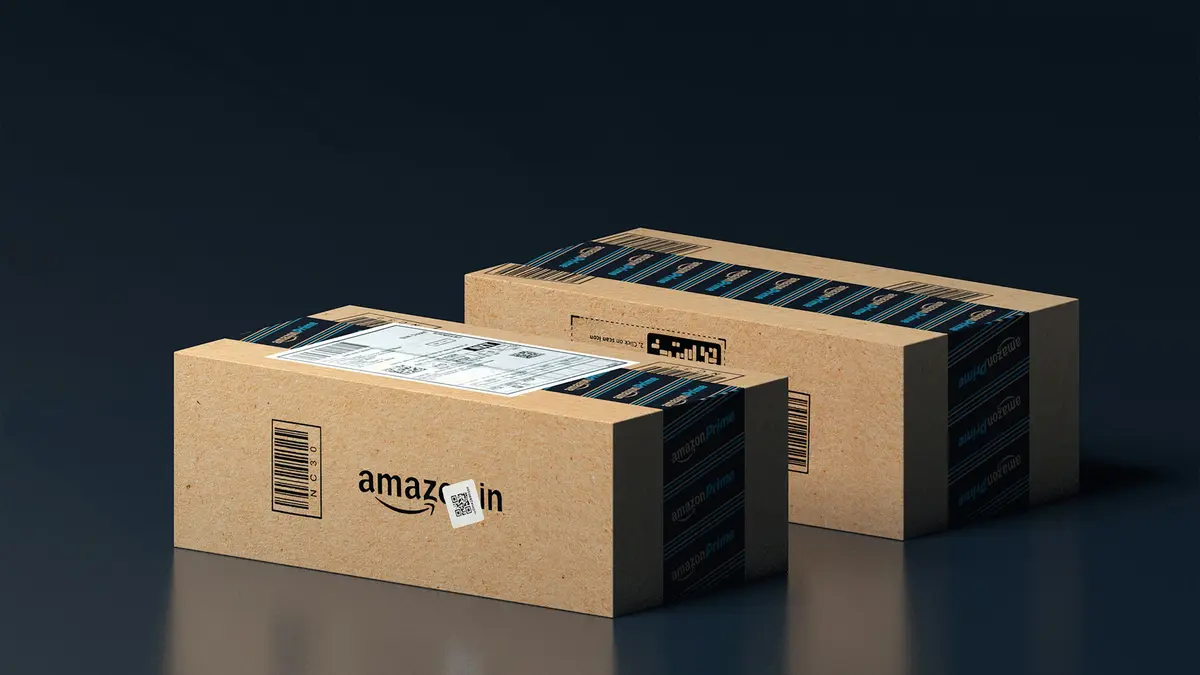
A recent economic study reveals that waiting for Black Friday and Cyber Monday sales to purchase popular items on Amazon often fails to deliver genuine savings, with many products selling at identical or higher prices compared to previous weeks.
Findings on Holiday Sales Pricing
Conducted by the Groundwork Collaborative economic research institute, the study examined 351 products promoted by Amazon during the 2024 and 2025 holiday shopping events. Researchers utilized the Keepa price-tracking service to compare promotional rates against the lowest prices available during the preceding 30 and 90 days. The findings indicate that approximately 30 percent of the evaluated items sold during the sales events at a price equal to or higher than their lowest point in the preceding month. Furthermore, when expanding the window to 90 days, nearly 60 percent of the tested products cost the same or more during the promotion than they had earlier.
In certain instances, waiting for the promotional period resulted in significantly higher costs rather than savings. The study showed that 9.4 percent of evaluated items carried a higher price during the sale than their lowest monthly rate prior, a figure that surged to roughly 27 percent across a 90-day window with an average markup of 19 percent.
Notable Price Discrepancies
Specific examples highlighted in the research illustrate substantial variances for consumers who delayed their purchases. An Apple Watch Series 10 with cellular, GPS, and a 46-millimeter titanium case retailed for 679.99 dollars during the 2025 holiday event, whereas it sold for 602 dollars roughly one month prior. Women's Hunter rain boots listed at 126.99 dollars during the sale compared to 79.97 dollars just nine days earlier, marking a 59 percent difference. The most extreme case involved men's UGG Butte boots, which reached 179.98 dollars during Cyber Monday after selling for 98.40 dollars 27 days prior, reflecting an 83 percent increase.
Other electronics and appliances exhibited identical pricing patterns rather than markdowns. Beats Solo 4 headphones, a Dyson handheld vacuum cleaner, and the Fitbit Charge 6 fitness tracker all sold during the promotional events at the exact same prices they commanded weeks beforehand.
Regulatory Limits and Consumer Guidance
Researchers noted that marketing tactics heavily influence consumer perceptions during major sales events. Strikethrough pricing, red discount badges, and highlighted percentage savings create an illusion of exclusive urgency, even when the baseline comparison price fails to reflect recent historical rates. Existing regulations in the United States primarily target the validity of original strikethrough figures rather than mandating that promotional prices fall below recent trading levels.
While the study does not classify all holiday sales as fictitious and concentrates specifically on items highlighted by Amazon, the data challenges the assumption that delaying purchases guarantees financial savings. Experts advise consumers to consult historical price tracking tools rather than relying solely on advertised discount percentages.