Structural Flaws and Bureaucracy Fuel Israel's Ongoing Housing Crisis
Leading real estate experts warn that Israel's housing crisis stems from deep structural failures, bureaucratic bottlenecks, and flawed subsidy lotteries rather than prices alone.

Israel's real estate sector faces deep structural challenges that extend far beyond fluctuating property prices and high interest rates. Industry leaders and housing experts emphasize that bridging the gap between approved construction plans and actual project execution requires urgent government intervention, tax reforms, and a comprehensive long-term national housing strategy.
Overcoming Bureaucratic Bottlenecks and Economic Viability
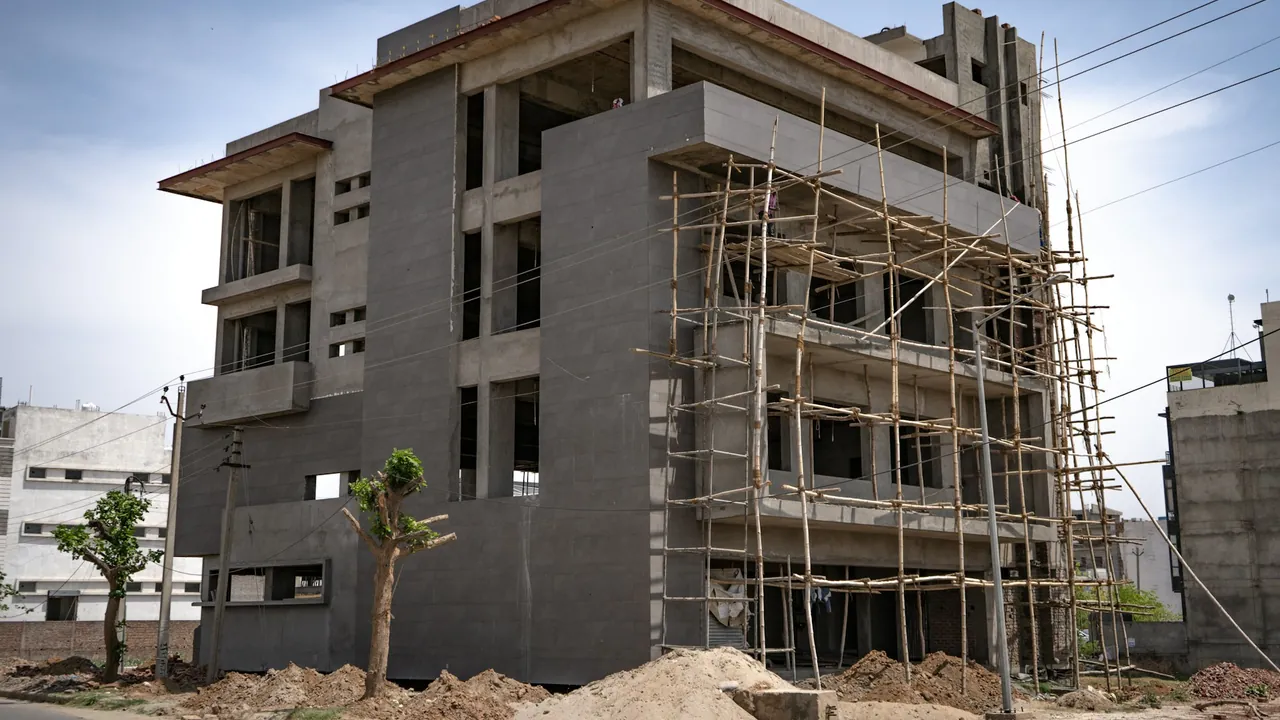
A central issue highlighted by developers is the wide gap between the volume of approved housing plans and the number of projects that successfully reach the execution phase. Bureaucratic hurdles, poor coordination between government ministries and local authorities, and prolonged planning delays continue to paralyze development. Elad Atergan, CEO and owner of Israel Europe, stresses that approving new plans is insufficient without removing obstacles and ensuring economic predictability.
"To increase the housing supply, it is not enough to approve new plans. We must first remove barriers, create economic and planning certainty, and allow approved projects to move forward," Atergan noted.
Atergan also warns against the unpredictability of betterment levies, which can occasionally escalate to double or triple initial estimates, wiping out a project's financial viability. He advocates for fixing the levy amount at the exact time a plan receives approval. Roni Brik, president of the Israel Builders Association, echoes the call for systemic change, citing ongoing pressures from labor shortages, supply chain disruptions, expensive financing, and regulatory uncertainty.
Reforming the National Lottery Housing System
State-backed assistance programs for first-time homebuyers, such as Targeted Price and Discounted Apartment initiatives, have drawn sharp criticism from industry figures who argue they function merely as lotteries for subsidies rather than systemic solutions. Ofer Zarf, chairman of the board of Yesodot Eitan, points out that the number of households competing for these benefits far exceeds the available supply.
"The state must stop treating land in central Israel as the default option for every subsidy program. Instead of continuing to market subsidized land in Rishon LeZion or Herzliya, public resources should be directed to places where they can generate real change in the periphery," Zarf stated.
Avi Rosen, CEO of Yossi Avrahami Group, adds that because eligibility lacks strict economic testing, high-income households frequently capture significant subsidies while families in genuine need are left empty-handed. Experts advocate for reorienting state land use toward high-demand areas while ensuring targeted, proportional assistance based on real socioeconomic need.
Expanding Long-Term Rental Markets and Regional Renewal
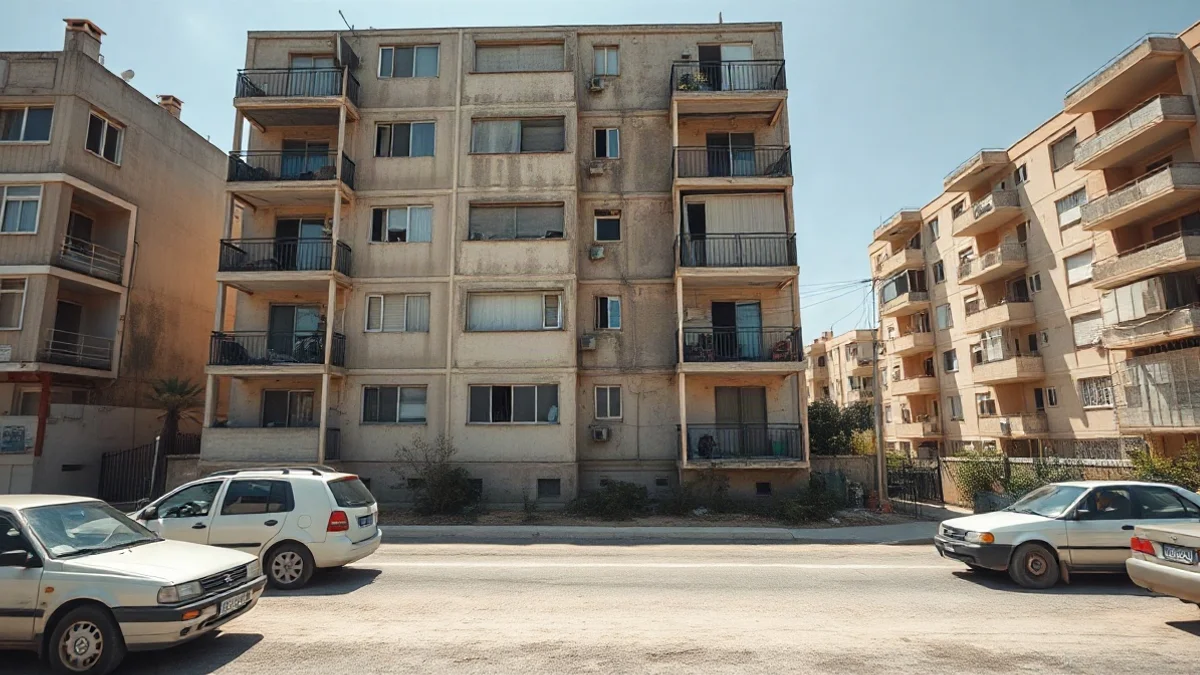
High home prices underscore the pressing need to develop a robust long-term rental market to provide stable housing alternatives for families. Erez Rosenboch, chairman of Moforit, highlights inconsistent government policies and fragmented authorities as major obstacles. He suggests establishing a dedicated government body to gather market data and foster institutional investment through tax breaks and financing incentives.
Ilan Gonen Brosh, co-owner of Brosh Group, suggests that the state allocate dedicated land for long-term rental projects and encourage development companies to enter the market. Meanwhile, urban renewal projects in peripheral cities struggle to gain traction due to a lack of economic feasibility. Alex Mariash, CEO of Israel Land Development - Urban Renewal, emphasizes that after years of security uncertainty and earthquake risks, urban renewal is primarily a civil and security necessity that requires tangible execution mechanisms rather than empty declarations.