Cypriot Authorities Extradite Israeli-Latvian National to Russia Over Arctic Sea Hijacking
Cypriot authorities extradited Israeli-Latvian national Alex Brodsky to Russia to face piracy charges for the 2009 hijacking of the cargo vessel Arctic Sea after his arrest in Larnaca.
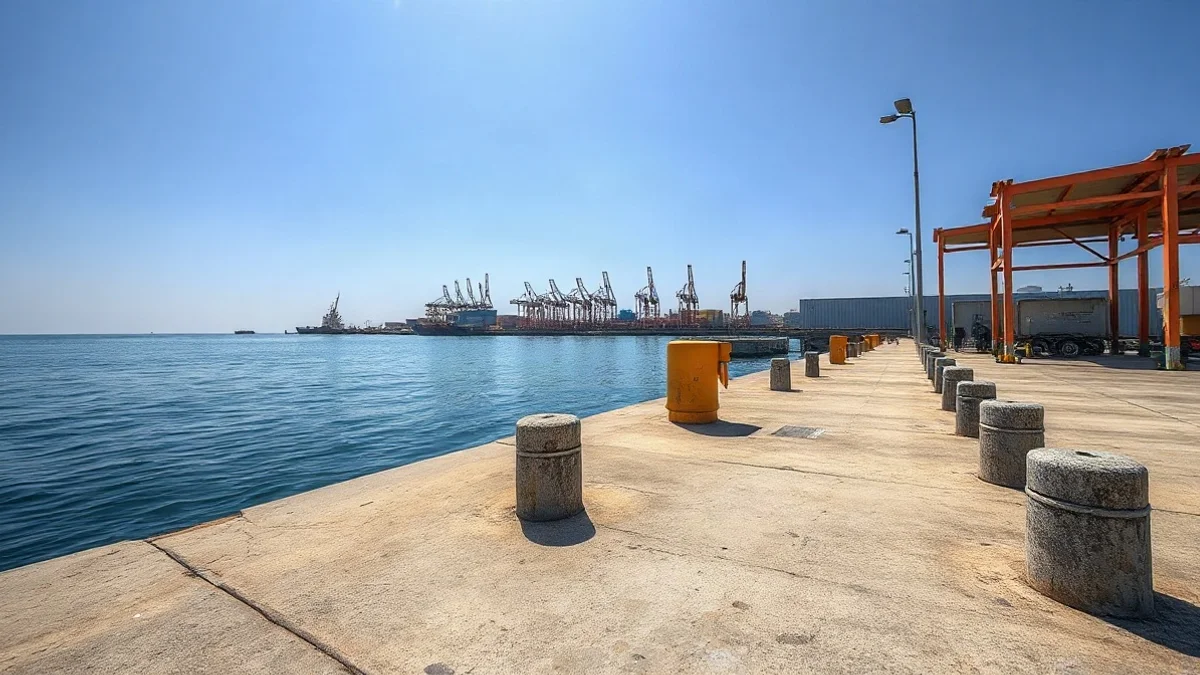
Cypriot law enforcement authorities completed the extradition of 48-year-old Israeli-Latvian national Alex Brodsky to Russia, where he faces trial for grave piracy charges related to the 2009 hijacking of the cargo vessel "Arctic Sea". Brodsky, who previously went by the name Alexei Karetsgor, was transferred to Russian prison service officials and Interpol officers at Larnaca port and flown to Moscow, where a conviction could carry a maximum sentence of 15 years in prison.
The high-profile case resurfaced when Brodsky, unaware of an active international Interpol arrest warrant, disembarked from a Mano Maritime cruise ship that had sailed from Haifa. Local police detained him immediately upon his arrival in Cyprus following an extradition request issued by Moscow, which ran parallel to an extradition bid submitted by Latvia. During court proceedings in Cyprus, defense attorney Nir Yaslovitzh sought to block the handover by arguing mistaken identity, the expiration of the statute of limitations, and severe concerns regarding fair trial guarantees in Russia, particularly given its withdrawal from the Council of Europe.
The defense fiercely contested claims put forward by Russian prosecutors alleging that Brodsky had previously served as a bodyguard to the President of Israel and fought in the West Bank and East Jerusalem. While dismissing these assertions as entirely false, the defense confirmed that Brodsky had served as a standard combat soldier in the Jerusalem Border Police. Attorney Yaslovitzh argued that the inclusion of such claims indicated political motivations behind the extradition request and urged the Ministry of Foreign Affairs to intervene diplomatically. However, Cypriot courts dismissed all defense arguments, ruling that Brodsky's 2012 name change was verified via Interpol, the statute of limitations was tolled by his flight from justice, and Russian authorities had provided written guarantees ensuring no death penalty and European prison standards.
The Mystery of the Arctic Sea Hijacking
The hijacking of the "Arctic Sea" remains one of modern maritime history's most notable unresolved mysteries. On July 23, 2009, the Malta-flagged dry cargo vessel departed from a Finnish port bound for Algeria carrying a timber cargo valued at two million dollars alongside a 15-member Russian crew. One day later in Swedish territorial waters within the Baltic Sea, a boat carrying armed men in black uniforms bearing "Policia" insignia approached the vessel, boarded under the guise of requesting assistance, and overpowered the crew at gunpoint, locking the sailors in their cabins for nearly three weeks.
The vessel's mysterious disappearance sparked widespread international speculation, including unconfirmed reports that the ship secretly carried advanced Russian anti-aircraft missiles intended for Iran or Syria and that foreign intelligence agencies orchestrated its interception, though Moscow flatly denied these claims. On August 3 of that year, an unidentified caller contacted the ship's Russian marine insurer demanding a 1.5 million dollar ransom under threat of executing the crew and scuttling the ship. The Russian Federal Security Service intervened, and on August 17, a Russian naval warship located the "Arctic Sea" in the Atlantic Ocean approximately 550 kilometers from Cape Verde, releasing the captive crew and detaining the hijackers.
Alleged Role and Upcoming Legal Proceedings
According to Russian indictment documents and a parallel investigation conducted in Latvia, Brodsky—who operated advertising businesses in Riga at the time—was not aboard the vessel itself but operated from the shore as a central organizer of the operation. Investigators allege that he assisted in recruiting the hijacking cell, managed logistics, monitored ransom communications, and coordinated the perpetrators' escape plan near Cape Verde. Brodsky was initially arrested in Latvia in 2009, released on bail, fled to Israel, and subsequently changed his name. Eight members of the boarding crew were convicted in Russia in 2011 and sentenced to prison terms ranging between 7 and 12 years. Seventeen years after the initial incident, Brodsky now stands trial in a Moscow courtroom.