Hungary Uncovers $19.5 Million in Hidden Cash Amid Expanding Corruption Probe
Hungarian authorities uncovered $19.5 million hidden in forests and barns during a major corruption probe targeting former ministers of Viktor Orbán's administration.

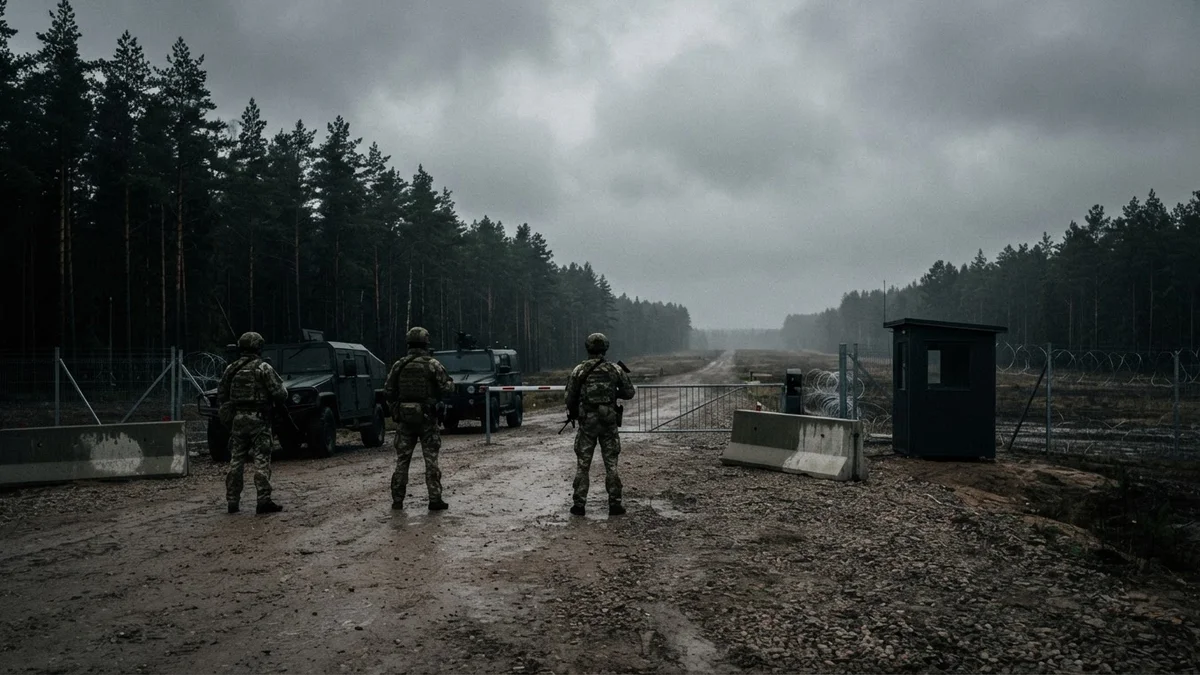
Hungarian authorities have uncovered $19.5 million in hidden cash stashed in forests, storage rooms, and grain barns across Budapest and three surrounding counties. Investigators from the National Asset Recovery Office deployed 12 personnel and five bill-counting machines for eight hours to tally the vast sums, which included Hungarian forints, US dollars, and euros. Officials noted that this staggering discovery represents merely the tip of the iceberg in a sweeping crackdown on institutional corruption following the political transition in April.
The raids formed part of an ongoing criminal investigation targeting Miklós Seszták, who served as Minister for National Development between 2014 and 2018 under former Prime Minister Viktor Orbán. Seszták was arrested in September on suspicion of accepting bribes and illicit benefits in connection with government procurement projects, including inflated public transportation deals involving used buses. Investigators suspect he amassed approximately $37.2 million in unlawful kickbacks. While Seszták has denied the allegations and claimed the hidden funds do not belong to him, Orbán has dismissed the legal actions as political persecution.
Expanding Arrests and Financial Scandals
The corruption probe has widened beyond former cabinet ministers to touch the highest echelons of Hungary's former administration. Former central bank governor György Matolcsy was also arrested in a separate investigation concerning the alleged misuse of an $817.8 million allocation from public assets directed to a central bank foundation. Furthermore, Áron Orbán, the younger brother of the former prime minister—who previously championed strict anti-immigration policies—has been detained on suspicion of human smuggling and issuing residency visas for workers from Vietnam. Meanwhile, former Justice Minister Judit Varga faces parliamentary inquiries regarding alleged political interference in the judicial system.
Political analysts and pollsters observe that the visual evidence of vast public funds siphoned into secret caches has severely damaged the ruling Fidesz party, which governed for 16 years. Recent polling indicates support for Fidesz has plummeted to 16 percent, down by half since the April elections, while nearly 70 percent of respondents back the reform initiatives of Prime Minister Péter Magyar. Magyar pledged a comprehensive cleanup of state institutions, dismantling what he termed a systemic network of patronage that persisted while ordinary citizens struggled with the rising cost of living and energy prices.
Public Reaction and the Road Ahead
Citizens active in the pro-democracy movement describe the unfolding revelations as both vindication and psychological shock. Activist Hanga Fülöp reflected on the surreal nature of the discoveries against the backdrop of citizens grappling with economic hardship:
"You are happy because you understand that a process of purification is beginning, a return to a normal, orderly, legal, and honest world, but when you are told that this is just the tip of the iceberg you start to realize how much corruption and bribery and theft there was under Orbán."
Investigators examining the 16-year governance period have not yet finalized a total sum for the missing public funds, though preliminary estimates discussed by media and officials approach 168 billion euros. As state auditors continue their deep dive into public procurement and asset diversion, authorities emphasize that recovering the misappropriated wealth will require an extended, systematic effort to restore financial transparency and public trust in democratic institutions.