US House Democrats Signal Major Policy Shift on Israel and West Bank Sanctions
Incoming House Democratic Leader Hakeem Jeffries announced plans to advance legislation against West Bank settler violence within the first 100 days of the new congressional session, signaling a major policy shift.
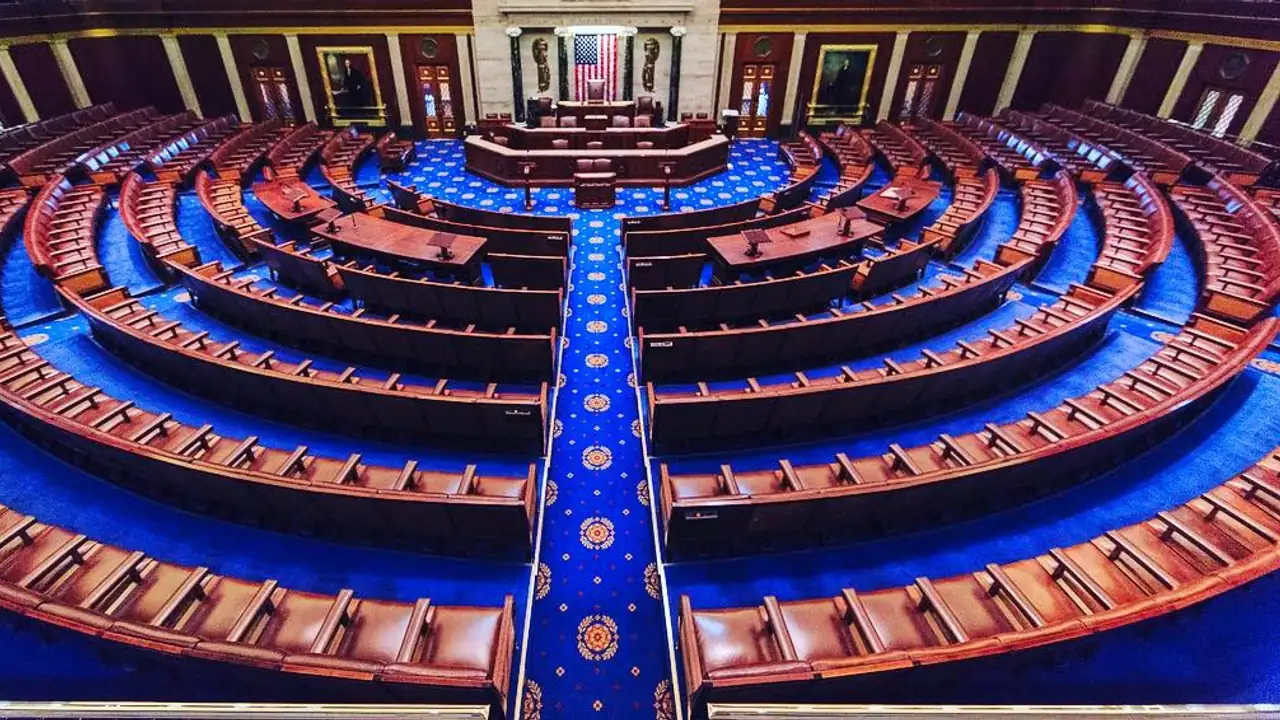
The newly empowered Democratic majority in the United States Congress is preparing a significant shift in American policy regarding Israel, signaling a legislative pivot as the party assumes control of the House of Representatives. In an interview published by local media, House Democratic Leader Hakeem Jeffries outlined an ambitious legislative agenda targeting West Bank settler violence within the first 100 days of the new congressional session.
Legislative Priorities and West Bank Policy
Jeffries stressed that US policy must urgently address conditions in both the West Bank and Gaza. He identified the advancement of legislation to counter settler violence as a paramount initial objective, aiming to codify sanctions into law. This legislative framework builds upon a presidential executive order previously issued by former US President Joe Biden, which was rescinded by incumbent President Donald Trump upon returning to the White House. The proposed measures entail asset freezes and US entry bans targeting individuals implicated in violent acts, affecting both Israelis and Palestinians.
While prioritizing measures against violence, Jeffries stopped short of committing immediate support to more sweeping progressive proposals, such as restricting specific arms transfers or implementing comprehensive economic boycotts on settlement goods. He noted that the Democratic caucus will deliberate on those broader issues. However, addressing the humanitarian crisis in Gaza, Jeffries delivered sharp criticism, describing the scale of civilian destruction as unacceptable and contrary to American values, while calling for a massive expansion of humanitarian aid.
Strategic Objectives and Regional Concerns
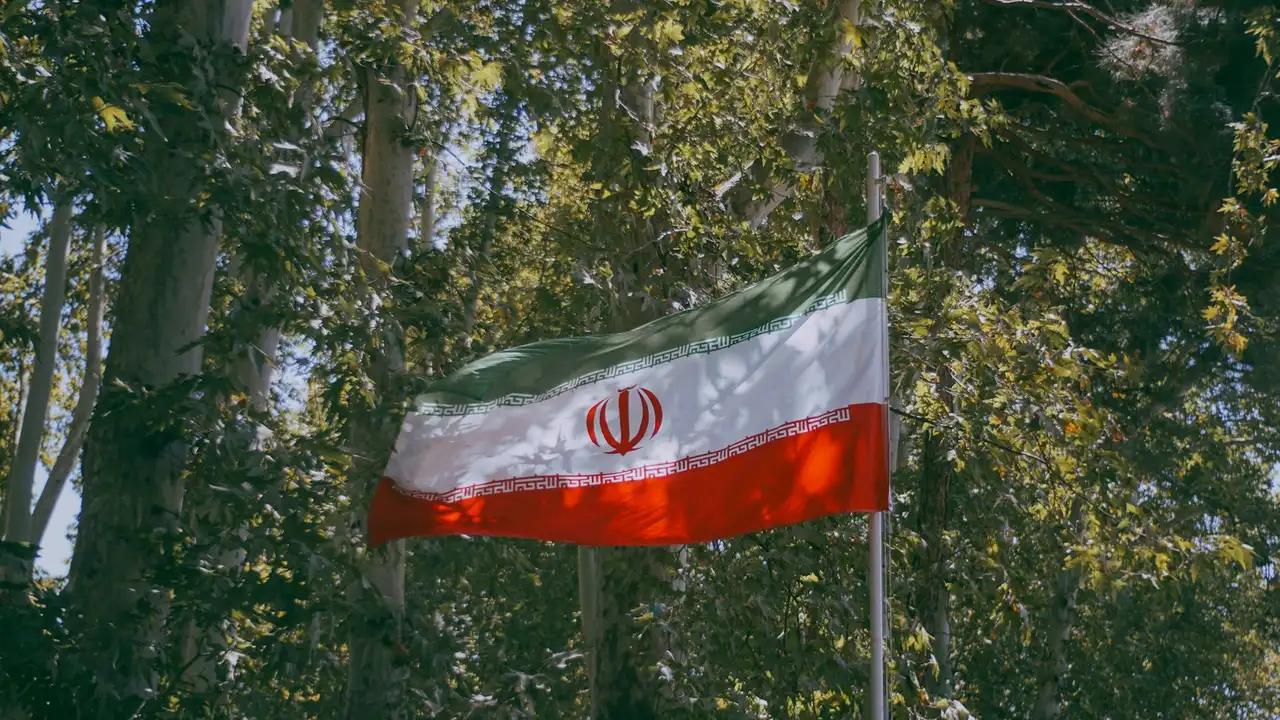
Connecting these policy shifts to a broader diplomatic vision, Jeffries emphasized the necessity of reviving American commitment to a two-state solution. He argued that ensuring Israel's security as a Jewish and democratic state must go hand in hand with establishing an independent Palestinian state that guarantees self-determination. Furthermore, Jeffries turned his focus toward the Middle East, asserting that Congress must take swift legislative action during its opening week to halt what he termed a reckless conflict involving Iran, utilizing upcoming budget appropriations debates to signal that military engagements must conclude.
Addressing political dynamics in Washington, Jeffries dismissed suggestions that campaign donations dictate congressional voting behavior. Responding to questions regarding the influence of pro-Israel lobbying groups, he maintained that lawmakers represent the interests of their local constituencies above external financial influences, positioning the incoming House majority as a vital check on executive overreach.