AirBaltic Faces Liquidation Risk as Frozen Financing Threatens December Operations
Latvian carrier airBaltic faces imminent cash depletion and potential liquidation by mid-December unless a frozen 175 million euro loan tranche is released amid bondholder disputes.
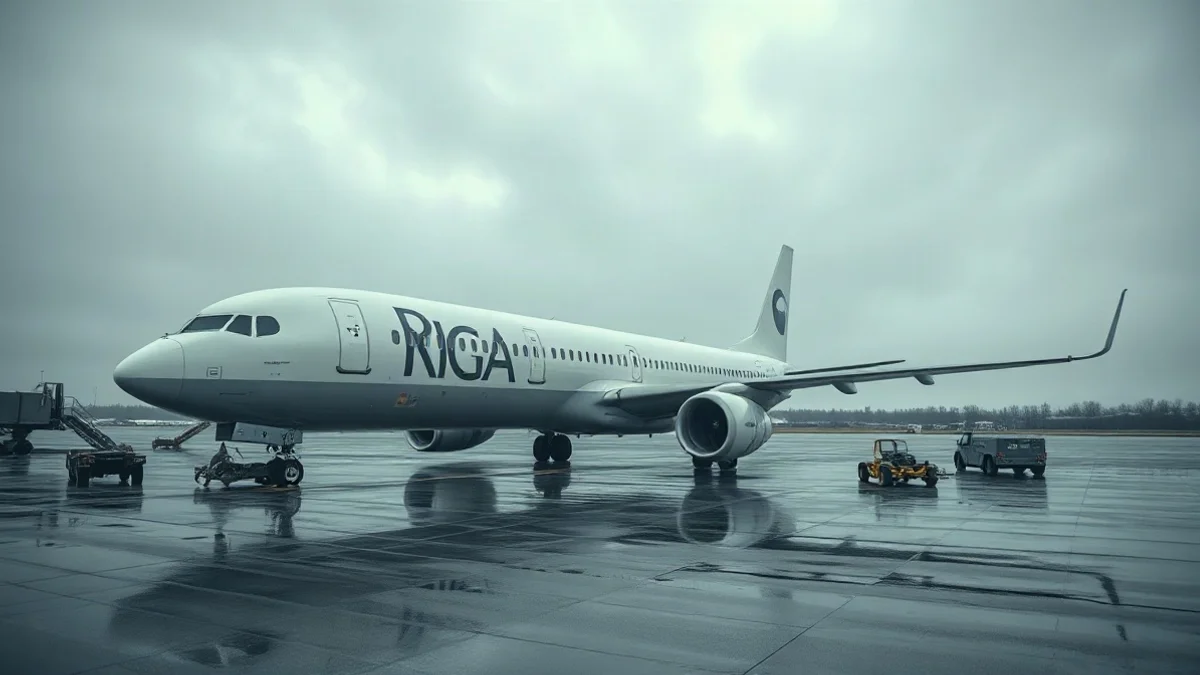
Latvian national carrier airBaltic faces a critical cash crunch that threatens its survival and operations as early as the first half of December. Court documents filed in the U.S. Bankruptcy Court for the Southern District of New York indicate that the airline, which operates under restructuring protection since September, urgently requires the release of its stalled financial rescue package.
The airline's financial adviser, Stefan Karchev, stated that airBaltic urgently needs the remaining portion of a 350 million euro financing package approved in October and led by hedge fund Strategic Value Partners. While the carrier already utilized the initial 175 million euro tranche, the second half of the loan remains frozen, putting the company at risk of liquidation without immediate cash injections.
Bondholder Disputes and Key December Dates
The financing freeze stems from a legal dispute concerning priority liens. New lenders condition the release of funds on securing primary claims over airBaltic's encumbered assets, ahead of existing bondholders holding 14.5 percent notes maturing in 2029. Bondholders oppose dropping to a secondary priority, prompting airBaltic to offer secondary liens on additional assets valued at approximately 255 million euros, including eight Airbus A220-300 aircraft, seven spare engines, and a flight simulator.
AirBaltic warns that if liquidation occurs, current collateral values for bondholders could plunge to between 0 percent and 7.5 percent. A virtual bondholder meeting scheduled in Riga on December 4 will vote on the proposed collateral structure, followed by a decisive hearing on December 9 in New York, where a judge will determine whether to approve senior priority for the new lenders without bondholder consent.
Fleet Reductions and Impact on Israeli Passengers
The current crisis follows years of financial strain caused by grounded aircraft due to Pratt & Whitney engine issues, costly wet-leases, heavy financing costs, and a delayed initial public offering. Under its restructuring plan, airBaltic is slashing its fleet by one-third, shrinking from 54 Airbus A220-300 aircraft down to 36 by 2027, and cutting up to 700 jobs.
For travelers in Israel, airBaltic serves as a key operator on the direct route between Tel Aviv and Riga, which resumed in July following security suspensions, as well as a connection provider to northern Europe and Scandinavia. Although all current flights operate normally and tickets remain valid, passengers planning travel for mid-December onward must monitor developments closely. Meanwhile, the carrier maintains a downscaled long-term wet-lease agreement with Lufthansa Group to supply Airbus A220-300 aircraft alongside flight crews and maintenance, though overall joint operational volumes have contracted significantly due to airBaltic's precarious financial standing.