AI in Israeli Campaigns Backfires as Voters Demand Transparency
A new survey reveals that 40 percent of voters are deterred by AI-generated political content in campaigns, highlighting public demand for strict transparency and low trust in AI chatbots.

Artificial intelligence has emerged as a prominent tool in political campaigns, though a new survey shows that its use often backfires with voters. Parties increasingly rely on AI-generated videos, images, and texts to convey political messages and exaggerate scenarios, raising questions about the effectiveness of such technology.
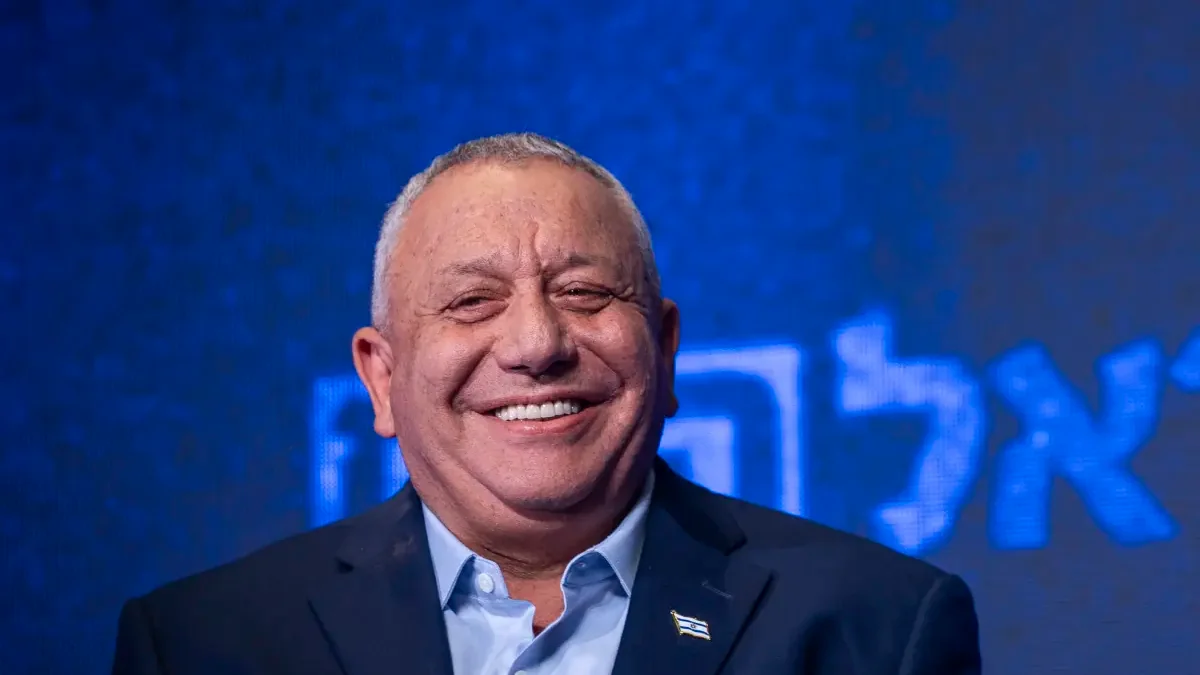
Prime Minister and Likud leader Benjamin Netanyahu recently published a video depicting the Gush Dan region under attack by an Iranian nuclear bomb. In contrast, Yashar! leader Gadi Eisenkot shared an image portraying Netanyahu as a contestant on the reality show "Survivor," alongside the caption "The people have spoken."
Despite the widespread presence of AI content—with 85 percent of respondents encountering it and 40 percent seeing it daily—initial survey data led by Dr. Gal Yablonowitz from Bar-Ilan University reveals negative public sentiment. About 40 percent of eligible voters reported that AI-generated political content made them reluctant to vote for the publishing party, while only 24 percent said it strengthened their support.
Public demand for transparency remains high, as 56 percent believe parties should be allowed to use AI tools provided they are clearly labeled as synthetic media. Only 5 percent supported publishing unmarked realistic AI content, and 16 percent opposed its use entirely.
Voters are also turning to AI chatbots like ChatGPT, Gemini, and Claude for election information, with 46 percent consulting them during the campaign. However, trust in chatbot responses remains low, with only 17 percent expressing high confidence in their political analyses.