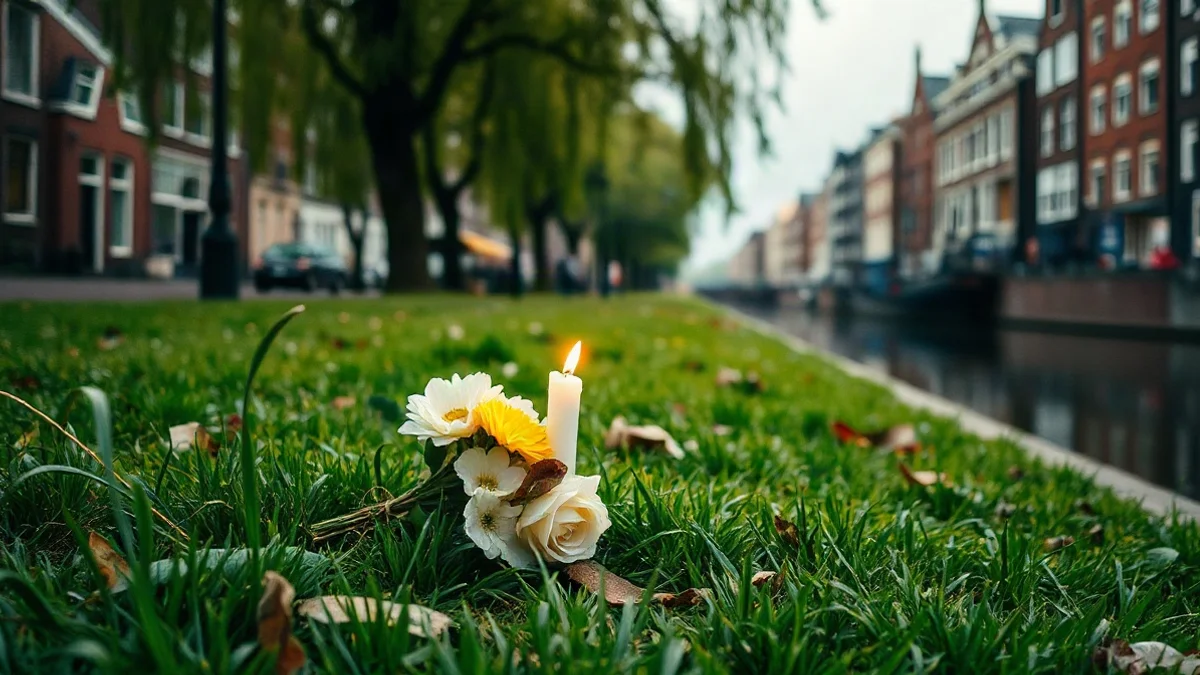
16,000 deaths in a week: The warning Europe can no longer ignore
An extreme heatwave caused approximately 16,000 excess deaths in Europe within a week. In Belgium, severe failures were exposed: elderly people died in sweltering homes, emergency rooms operated without air conditioning, and emergency lines struggled to cope with the load.
Elderly people who met their deaths in stifling apartments, emergency calls that remained on the line in long waits, and doctors who struggled to treat a wave of heat victims, sometimes in departments without air conditioning. These are not scenes from a third-world country, but events that occurred on one summer weekend in Belgium, one of the wealthiest countries in the world. This deadly phenomenon, as reported in the 'New York Times', now serves as a warning sign for the entire continent.
Europe is the continent warming at the fastest rate, yet vast areas of it remained clearly unprepared. In just one week at the end of June, about 16,000 excess deaths were recorded across Europe following the heatwaves. Belgium, France, and Germany were the main victims. Belgium, better known for its cold and humid climate, recorded the highest rate of excess mortality, becoming a disturbing case study of systemic failure.
Collapse of the health system and emergency infrastructure
In the Wallonia region in the south of the country, the mortality rate jumped 77% above expectations between mid-June and early July. On June 28, at the peak of the heatwave, more deaths were recorded in Wallonia than on the deadliest day of the coronavirus pandemic in 2020. The load on hospitals was unprecedented. At the Montlegia hospital in the city of Liege, patients in milder condition were temporarily placed in hallways, just to allow those who were dying to end their lives in privacy.
Belgium's national emergency lines also collapsed under the pressure. Medical teams testified that in some cases, it took ten full minutes just to get a response from a dispatcher. At the same time, half of the emergency rooms in Wallonia operated without air conditioning at all. 'We witnessed cases of heatstroke that we had known before mainly from textbooks,' noted Dr. Arnaud Detrou, who worked that deadly weekend.
Government complacency and a trap for vulnerable populations
The tragedy illustrated how unaccustomed Belgium is to taking heat with the proper seriousness. At the beginning of the heatwave, Defense Minister Theo Francken even posted a smiling photo on Instagram where he mocked the panic, writing: 'It's hot for two days and we're probably all going to die again. Enjoy the beautiful weather and live!' But reality hit him in the face quickly.
According to the data, 85% of the more than 900 excess deaths in Wallonia were of people aged 65 and over. Health professionals, quoted in the 'New York Times', explained that low-income elderly people who lived alone were at the highest risk. Houses in Belgium were historically built to keep heat in and not to release it, and on summer days they turned into real fire traps for the elderly residents who did not have proper cooling means.
Farewell to the cold country mentality
Climate and health experts warn that countries like Belgium will have to change their approach. Until now, many Belgians were reluctant to install air conditioners out of fear of spreading bacteria, environmental damage, and even electricity costs. Some officials are still skeptical about the widespread deployment of air conditioners for fear of an electricity grid collapse, but federal health authorities are now trying to learn lessons and streamline the handling of emergency calls. 'As emergency doctors, we can come to terms with deaths, but it is much harder to bear when you know it is a systemic failure,' concluded Dr. Michelle Yerna from the Montlegia hospital.