$120 Million to a Cocaine Trafficking Suspect: Kushner's Deal Gets Complicated
Jared Kushner's resort project in Albania faces serious complications: hundreds of millions of dollars were paid for land at the center of an ownership dispute. One of the sellers is wanted on suspicion of cocaine trafficking, and the "Flamingo" protest has ignited the streets of Tirana.
Residents of the small coastal village of Zvërnec in Albania were stunned about two years ago when Jared Kushner published eye-catching renderings of a Mediterranean resort planned on a narrow peninsula, trapped between the blue sea and a lagoon where flamingos gather. The images showed a stretch of beach where their parents and grandparents once grew potatoes. According to the residents, the land was stolen from them in the 2000s by Artur Shehu, a fugitive criminal who fled to Miami after a shootout at a bar he owned.
The concerned residents rushed to send a letter to Kushner, in which they described that they are trapped in legal disputes of almost two decades against Shehu, and implored the developers not to continue with the plans. The site, they wrote, "is owned by the village and its residents." However, as emerges from an investigation published in the "Wall Street Journal", the development group backed by Kushner continued as planned and paid Shehu over $120 million for the land earlier this year.
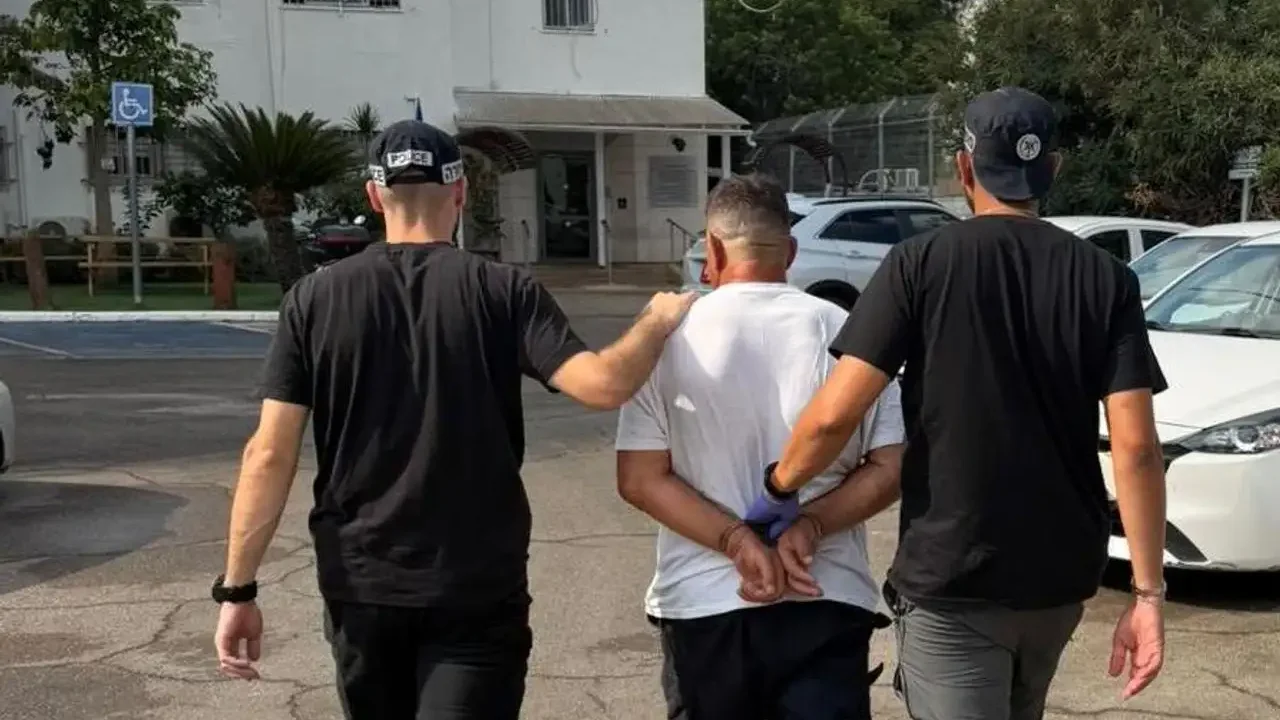
Two months later, prosecutors in Albania demanded the arrest of Shehu, claiming he played a central role in an international drug smuggling operation, in which cocaine was transferred from South America to Europe inside shipments of coal and fruit puree. According to the prosecutors, Shehu laundered capital through real estate, including the Zvërnec peninsula, which was stolen using techniques such as forging land records from the Ottoman era.
The Flamingo Protest and the Collapse in Serbia
The current scandal is the latest blow to Kushner's international real estate ambitions, which were established after Donald Trump's first term as president. While most of his investments are made through his private equity fund, backed by Gulf state funds and valued at $6 billion, Kushner also returned to his real estate roots. He set his sights on the Balkans, where tourism and property prices are soaring, focusing on Serbia and Albania.
In Serbia, Kushner signed a no-bid deal with the government to develop state-owned land in the center of Belgrade, which sparked sharp public criticism that the government is trying to curry favor with Trump. The plans collapsed after weeks of protests and an indictment against a government minister, and Kushner withdrew from the project in December.
The Albanian project in Zvërnec sparked an even greater popular backlash. A video documenting private guards of the development group beating a local resident and dragging him on the beach ignited daily mass protests in the capital, Tirana. The protests have been going on for over two months and have been dubbed the "Flamingo Revolution." Unlike in Serbia, in Albania the money has already changed hands. According to the report in the "Wall Street Journal", the development group paid well over $240 million to private landowners, including Shehu. Prosecutors in Albania stated that the funds Shehu received from the sale have been frozen.
From Miami to Cocaine Cartels
Shehu, 60, currently lives in Miami, in a luxurious mansion on "Flamingo Drive." His life path to Florida is filled with turbulent decades in his homeland of Albania. After the collapse of communism, he stood out as an entrepreneur who played a key role in the city of Vlorë. Very quickly he attracted the attention of the Albanian drug enforcement officers and authorities in Europe, who suspected him of collaborating with the Italian mafia. In 1999, after a shootout with a rival gang, Shehu disappeared and resurfaced in Miami, where he received political asylum.
Last June, his luck changed. European drug investigators transferred thick files to Albania's Special Prosecution Unit. This unit issued an arrest warrant for Shehu and 19 others, on suspicion of running a global drug network. According to the prosecutors, the network managed cocaine production in Ecuador, smuggled it through ports in the Netherlands, and laundered the profits through high-end Albanian real estate, with Shehu serving as a central cog. Shehu's lawyer, Kozet Çakrani, vehemently denies all allegations and claims that this is political persecution, and that his client's businesses are completely legal.
Forgeries from the Ottoman Era
Residents of the village of Zvërnec discovered in the 2000s that local real estate officials transferred control of their lands into the hands of Shehu. These are lands they had cultivated for decades. It turned out that Shehu used forged historical documents to prove that his ancestors controlled the land. The Supreme Court in Albania even ruled that a central Ottoman land record used by Shehu's lawyer was forged and incorrectly translated. Despite this, the legal stalling in Albania allowed Shehu to continue holding the land.
Kushner and his wife Ivanka Trump fell in love with the area during a yacht vacation, and began promoting a $5 billion development project together with developer Asher Abehsera and the Al-Khayat family from Qatar. Even though they were warned by the residents in advance, the development group purchased the lands from Shehu. Last April, tractors began fencing off the environmentally protected area, which led to the violent confrontations that were documented and ignited the protest.
A spokesperson for the development group stated that they are not the subject of an investigation and that they believe the purchase of the lands was done legally, while the Albanian judicial system is the place to resolve ownership disputes. At the same time, the Prime Minister of Albania, Edi Rama, continues to support the mega-project. Residents of Zvërnec, on the other hand, now fear they will be trampled again, as they call for the return of their stolen lands.