How a New York Couple Dedicated Their Lives to Rescuing Raccoons
Discover how a couple in New York sold their home and dedicated their lives to running a wildlife sanctuary, rescuing and rehabilitating over 800 raccoons.
Sara and Paul Bookbinder never planned to dedicate their lives to rescuing raccoons. Nine years ago, when they were asked to take in two orphaned and injured raccoon kits, they thought it would be a temporary arrangement. However, the encounter with the two kits, whom they named Stanley and Laurel, changed their lives—leading them to establish a rehabilitation center that has since cared for hundreds of animals.
Paul, 66, is a veterinarian who specialized in cats and dogs, but he had no experience treating raccoons. The couple agreed to house the kits in their bicycle shed while searching for a certified wildlife rehabilitator who could take them, but no such place existed. Days later, Stanley and Laurel died, and the couple buried them in their backyard. For them, the loss became a turning point: they decided to do everything in their power to prevent similar tragedies.
Selling Their Home to Build a Sanctuary
The couple purchased a 53-acre property in Earlville, New York, and in 2018 established the Charles N. Gordon Wildlife Rehabilitation Center, named after Paul's late uncle. Funded largely by an inheritance left to Paul, the couple sold their home the following year and moved to the property permanently. Since then, they have invested nearly all their time and savings into rescuing, rehabilitating, and releasing injured and orphaned raccoons back into the wild.
They estimate that they have helped over 800 raccoons to date. Their commitment runs so deep that even their wedding bands feature engraved drawings of raccoons.
Over 200 Bottles a Day
Spring is the busiest season at the center, as it marks the raccoon birthing period. Wildlife officials, veterinarians, and concerned citizens bring in abandoned or injured kits. Some have lost their mothers, while others suffer from gunshot wounds, vehicular accidents, or illnesses. Sara feeds the kits using specialized formula bottles, sometimes going through more than 200 bottles a day during peak season.
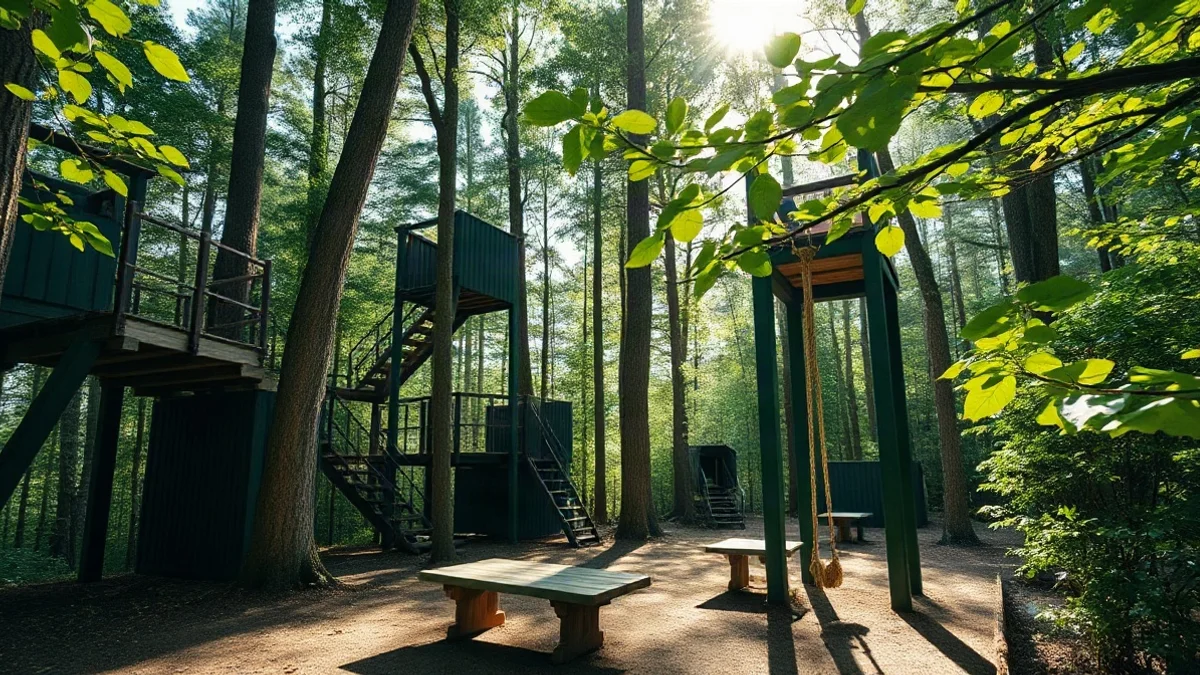
When the raccoons reach about three months of age, Sara moves them to large enclosures designed to teach them foraging skills. The enclosures feature hammocks, ladders, and tire swings, allowing the growing animals to climb, exercise, and prepare for a truly independent life in the wild.
The Ultimate Goal: Returning to the Wild
Despite the deep bond formed with the animals, the couple minimizes unnecessary human interaction so the raccoons do not become habituated. Signs that a raccoon is ready for release include hiding from humans, growling, and attempting to flee—behaviors that typically emerge by late summer or early autumn.
While letting go is bittersweet, the couple knows they are giving these animals a second chance at a wild, independent life.