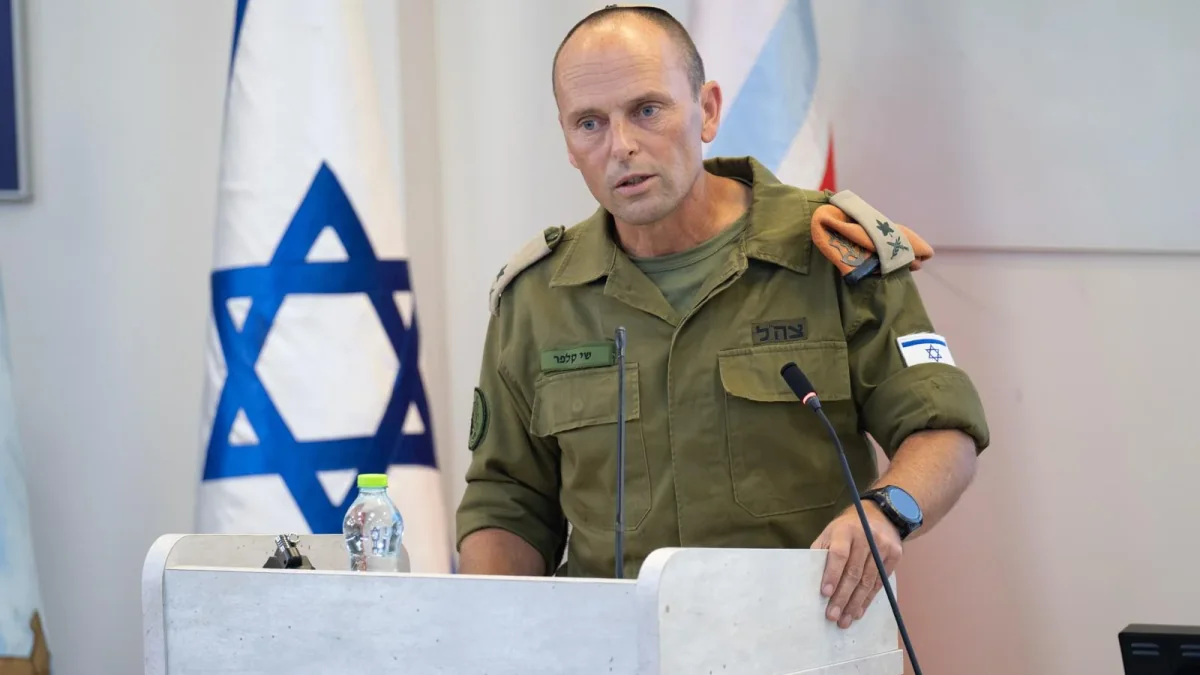
Tensions Flare in Yisrael Beytenu Over Bloc Strategy and Potential Alliances
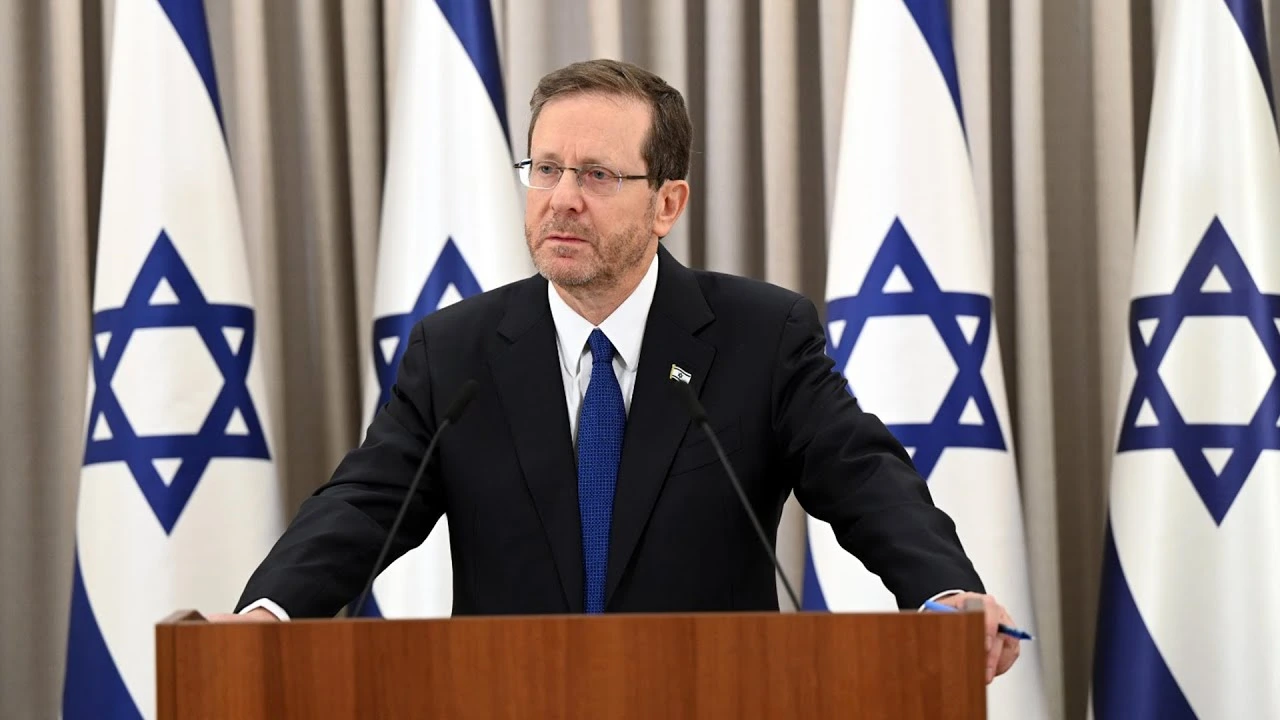
A fierce internal dispute broke out in Yisrael Beytenu as faction head Oded Forer criticized Gadi Eisenkot and Yair Golan over potential coalition scenarios, while Avigdor Lieberman pushed to maintain bloc unity ahead of the elections.
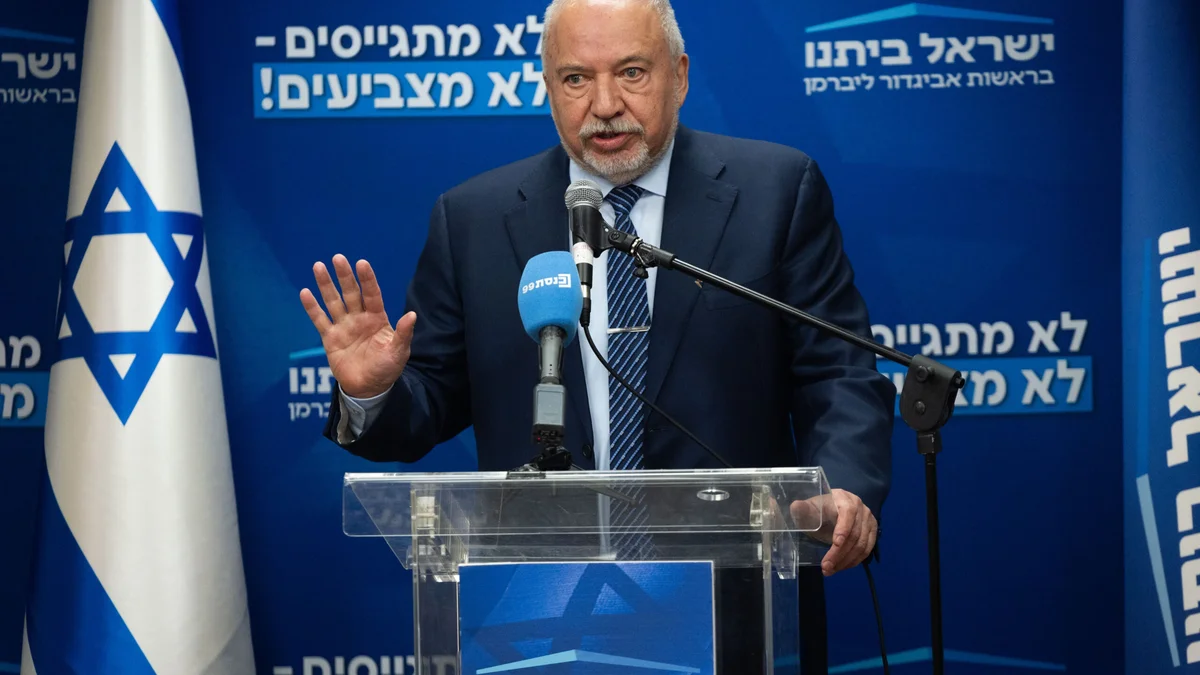
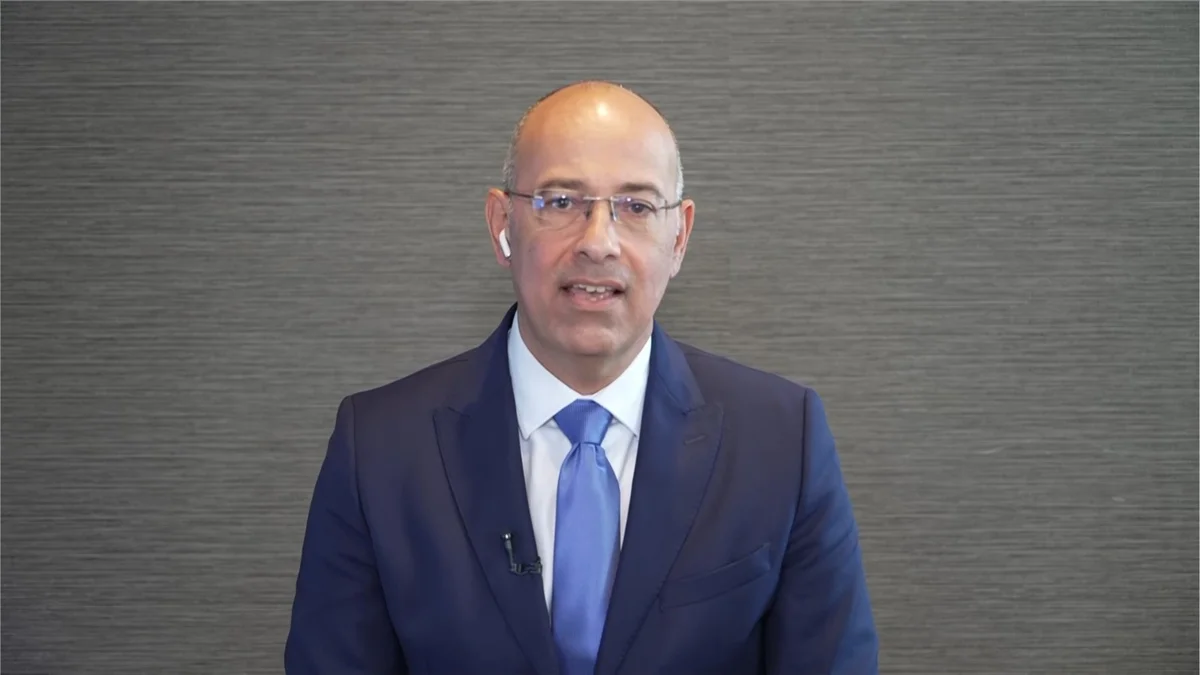
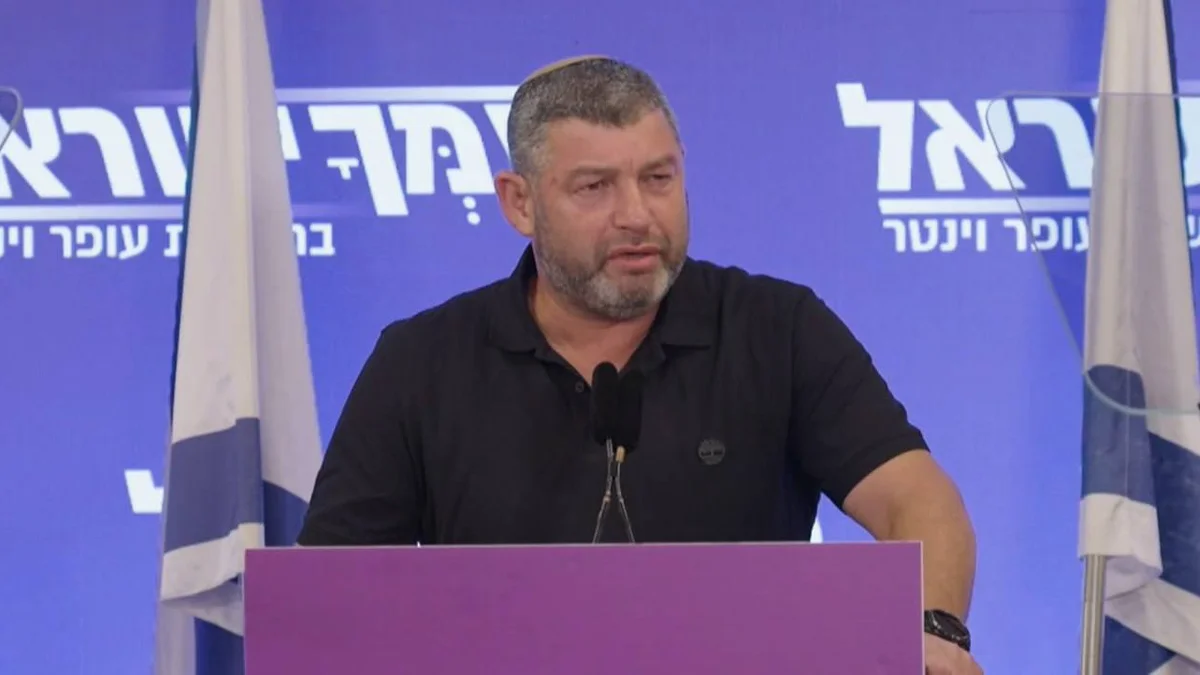
A sharp internal dispute erupted this week during a meeting of the Yisrael Beytenu election headquarters, highlighting deep divisions within the anti-Netanyahu bloc regarding strategy and potential post-election alliances. Oded Forer, chairman of the Yisrael Beytenu faction, launched a blistering critique against Gadi Eisenkot and Yair Golan, warning that their recent policy proposals leave the door open for future cooperation with Ra'am and Agudat Israel.
According to Forer, Yisrael Beytenu had approached its partners in the bloc earlier in the week, proposing a joint declaration in which opposition leaders would commit to forming a coalition exclusively with Zionist parties. However, Forer stated that representatives of Eisenkot and Golan rejected the phrasing, offering instead a commitment to establish a "servants' coalition" composed of parties supporting military or national service.
"Is this a hint that Eisenkot and Golan have an arrangement with the Ra'am party?" Forer asked, noting that Mansour Abbas has expressed support for integrating Israeli Arabs into national service. Forer continued, "Are our partners in the bloc preparing an ambush behind our backs? It is possible that Eisenkot and Golan intend to form a minority government with Ra'am and Agudat Israel without us, or alternatively, secured external support from them to establish a government, including the possibility of a transitional government."
Clash Over Political Strategy
At this point, Yisrael Beytenu leader Avigdor Lieberman interrupted Forer to calm tensions. "Stop broadcasting panic and pessimism," Lieberman said. "I believe we will form a Zionist and national government. If we pass 61 mandates, then even the Likud—without Benjamin Netanyahu—will join us, either the entire Likud or at least a significant part of it."
Forer, unconvinced, retorted that Lieberman relies far too much on Eisenkot. He argued that former military chiefs enter politics with overconfidence, believing they know everything, only to fail. Listing numerous former chiefs of staff who entered politics—including Benny Gantz, Ehud Barak, Shaul Mofaz, and Moshe Ya'alon—Forer asserted that none of them successfully transitioned to political leadership. Lieberman urged the room to drop the philosophical debate and focus on winning the upcoming Knesset elections.
Another major flashpoint was Eisenkot's "Largest Party" campaign. Forer claimed the strategy is designed to siphon votes from within the anti-Netanyahu bloc in violation of recent understandings. "If Eisenkot has declared war, we will return fire," Forer warned, arguing that the campaign will only weaken coalition partners rather than draw voters away from Likud.
Lieberman's Coalition Blueprint
Amid the internal friction, Lieberman released a formal statement clarifying his party's red lines for the next government. "Our position is sharp and clear: we will establish a coalition composed exclusively of Zionist parties. Without Ra'am, without the Joint List, without Shas, and without United Torah Judaism," he wrote. He also ruled out supporting any minority government, even on a temporary basis.
Lieberman reiterated that a post-Netanyahu Likud could become a viable coalition partner, though he ruled out any cooperation with Benjamin Netanyahu himself. Meanwhile, Likud fired back at Lieberman, pointing to past political arrangements and arguing that Lieberman and Eisenkot cannot form a viable government without the backing of Yair Golan and Arab factions.