Decoding Winter Heating Costs in Israel: Cheap Appliances vs. AC Units
An analysis of winter heating costs in Israel reveals that cheap appliances like fan heaters cost significantly more to operate, while inverter air conditioners offer the cheapest heating.
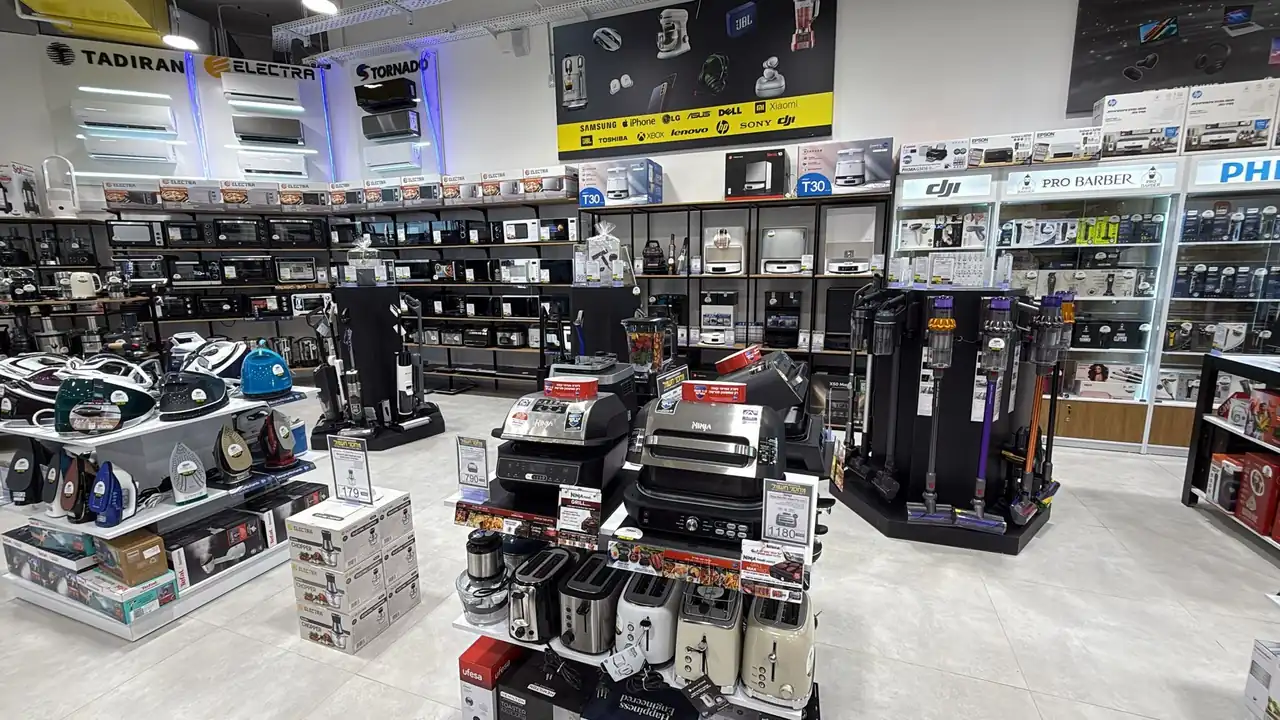
As winter temperatures drop, households across Israel rush to appliance stores searching for immediate relief from the cold. At first glance, the purchasing choices appear straightforward: a small fan heater costs roughly the price of a hamburger, an oil-filled radiator runs several hundred shekels, and a new air conditioner requires an investment of thousands. However, the initial retail price represents only a fraction of the actual cost. When factoring in cumulative electricity consumption across an estimated four-month winter season, the financial reality shifts dramatically.
To determine the true cost of heating, calculations were based on the total expense—combining retail device prices with electricity usage for an average of five hours of daily operation, totaling 600 seasonal hours, at the residential electricity tariff of 63.52 agora per kilowatt-hour.
Inverter Air Conditioners: High Initial Cost, Low Utility Bills
From a thermodynamic perspective, air conditioning units operate in an entirely different league. While conventional resistance heaters convert electricity into heat at a one-to-one ratio, an inverter air conditioner functions as a heat pump, transferring thermal energy from the outdoor air indoors. This mechanism yields three to four times more heat per kilowatt-hour consumed. A small 1-horsepower wall-mounted inverter unit consumes an average of only 0.6 kilowatt-hours once the room reaches its target temperature, translating to an electricity cost of approximately 229 shekels for 600 hours of seasonal heating.
For homes already equipped with an air conditioning unit, it remains by far the most economical heating choice. Even when purchasing and installing a new unit at an average cost of 2,300 shekels, total expenses for the first winter reach about 2,529 shekels. Ongoing utility savings quickly offset the initial acquisition and installation costs within a few seasons—long before factoring in cooling benefits during the summer months.
Fan Heaters and Ceramic Heaters: The Trap of Cheap Hardware
Fan heaters represent the undisputed kings of impulse shopping, selling for under 100 shekels on average. The financial complication begins the moment the device is plugged into the wall. Operating at a high capacity of roughly 2,000 watts, and struggling to evenly heat an entire room over extended periods, the internal heating element runs almost continuously.
Over the course of four consecutive winter months, this compact appliance adds approximately 724 shekels to the household electricity bill—more than six times its retail price. Total seasonal expenditures reach nearly 844 shekels for a noisy machine that dries out the indoor air and warms only individuals sitting directly in its path. Fan heaters serve well for a rapid 15-minute bathroom warm-up before a shower, but prove highly expensive as primary, continuous heating solutions.
Infrared and Quartz Heaters: Spot Heating at a Heavy Cost
Radiant heating appliances—ranging from traditional spiral heaters to modern quartz and infrared devices—typically retail for around 250 shekels. Similar to fan heaters, they operate at an average capacity of 1,800 watts without built-in thermostats to halt operations once a room warms up, because they directly warm physical objects and occupants rather than the ambient air space.
Operating these units for five hours daily throughout the winter season costs approximately 686 shekels in electricity, bringing total outlays to nearly 1,000 shekels in a single winter. These devices function efficiently on enclosed balconies or for localized desk use, but remain impractical for whole-room heating.
Radiators and Convectors: Quiet Comfort for Bedrooms
When seeking pleasant, quiet, and safe heating for nurseries or closed bedrooms, oil-filled radiators and convection heaters enter the equation. A quality 11-to-12-fin radiator averages 450 shekels, while a convector heater costs about 350 shekels. Although their official rated capacity reaches between 2,000 and 2,500 watts, built-in thermostats and the heat-retention properties of oil fins allow them to consume an actual average of about 1.3 kilowatt-hours per hour.
Over a four-month winter season, electricity expenses for either unit total approximately 495 shekels. Combined with retail purchase prices, the radiator costs roughly 950 shekels for the first season, while the convector totals around 850 shekels. Between the two options, convector heaters warm rooms more rapidly, whereas oil radiators sustain stable heat over longer periods without drying out the atmosphere.
How to Choose Wisely
An overarching rule governs energy-efficient heating in Israel: the cheaper an appliance is at the retail register, the more expensive it tends to be at the electrical outlet. For central living spaces or rooms heated over extended daily hours, the air conditioner stands out as the definitive winner, offering significantly lower operational costs than any alternative.
In children's bedrooms where minimizing dry air and operating noise is a priority, oil radiators and convector heaters provide a successful balance between comfort and operational expenses. Consumers should reserve fan heaters and spiral units strictly for brief, sporadic bursts of minutes—otherwise, household utility bills at the end of the season will equal the cost of a new air conditioner without leaving one installed.