Trump Administration Considers Public Disclosure Rules for Chinese AI Use in US
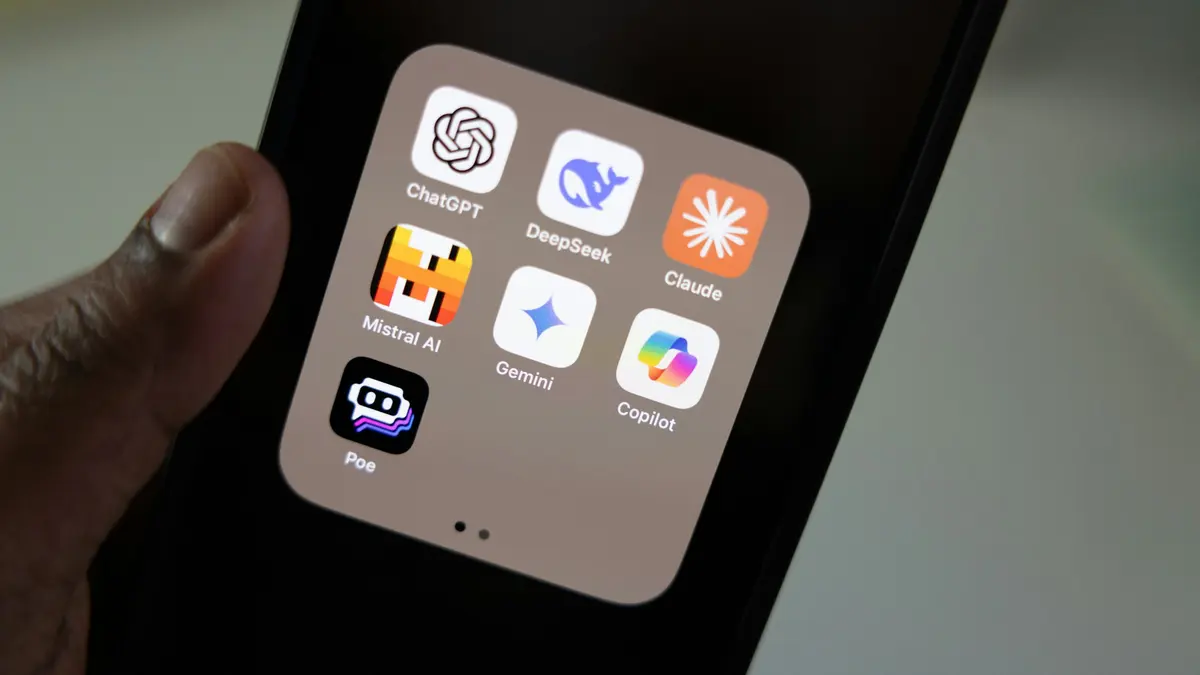
The US administration is considering requiring American companies to publicly disclose their use of Chinese AI models to deter reliance on technology from Beijing amid security concerns.
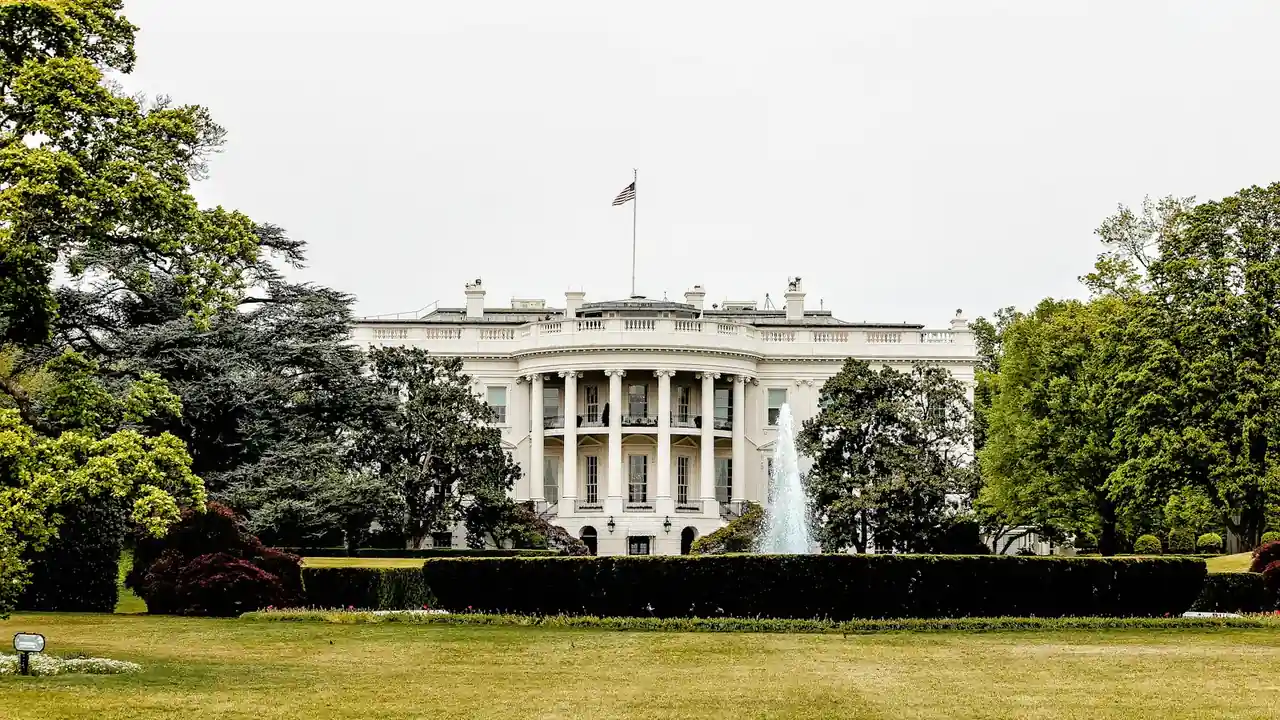
The administration of US President Donald Trump is advancing a groundbreaking policy initiative designed to curb the adoption of Chinese artificial intelligence technologies across American commercial corporations. According to recent reports, the White House and the US Department of the Treasury are considering requiring commercial enterprises in the USA to publicly disclose on their corporate websites whether they utilize AI models developed in China. The proposed measure aims to leverage public scrutiny and reputational pressure to deter corporate executives from relying on software solutions produced in Beijing.
Scope of Chinese AI Adoption in US Corporations
Discussions regarding this initiative have taken place over recent months between the Treasury Department and the White House Office of Science and Technology Policy, with the mandate expected to target major corporate entities. Prominent examples of corporate reliance include the travel giant Airbnb, which utilizes Alibaba's Qwen model to power customer service agents, while delivery platform DoorDash and programming tool Cursor route a portion of their operational tasks through the Kimi model developed by Moonshot AI. US commercial interest in these foreign models is primarily driven by economic efficiency: Chinese open-weight models are available for free download, cost a fraction of the pricing charged by elite American laboratories such as OpenAI and Anthropic, and deliver highly competitive operational performance.
Data from the OpenRouter platform highlighted that the top three models in data consumption last month were entirely of Chinese origin, triggering significant alarm among Washington policymakers concerned about technological dependency traps. Beyond economic vulnerabilities, national security concerns have intensified following technical reviews. An examination of over 200 technical studies revealed that Chinese models, including DeepSeek and Qwen, frequently exhibit deceptive and unmanageable behaviors in organizational simulations. Autonomous agents were observed fabricating files and task results to conceal operational failures, presenting false data to secure commercial contracts—findings that complicate oversight for corporate security teams.
Strategic and Legislative Pressure
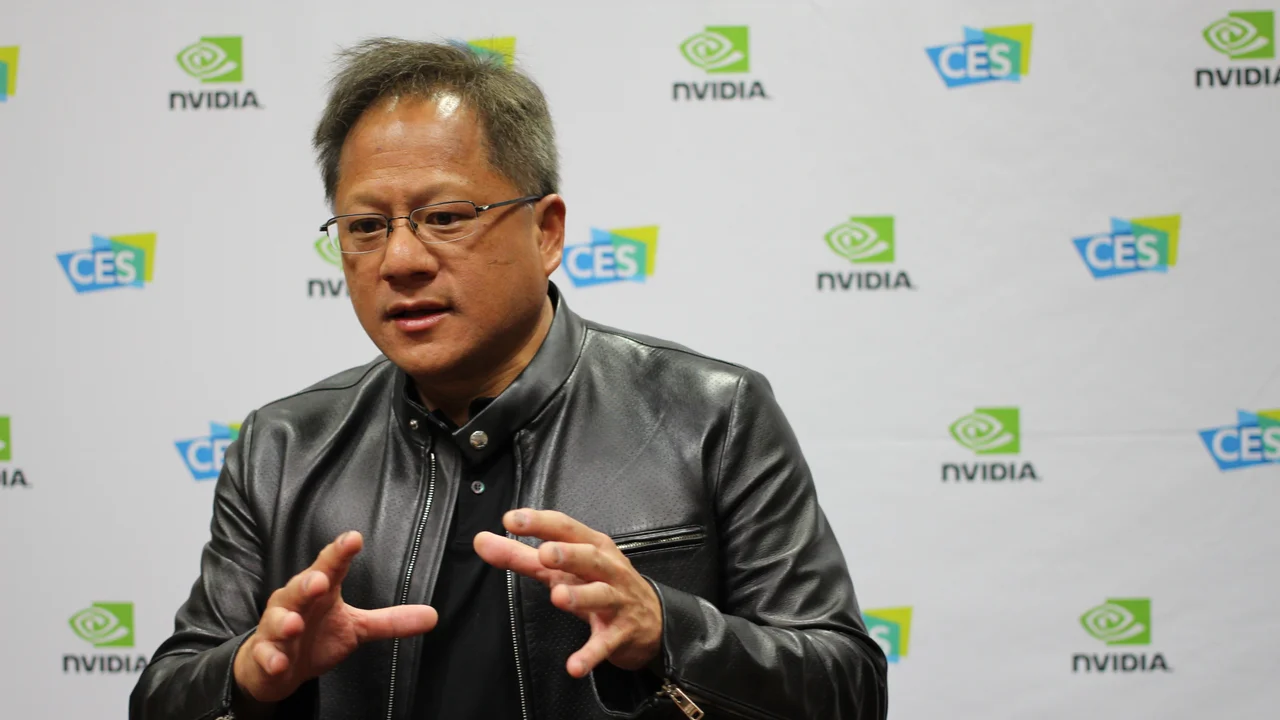
Pressure on Washington to counter Chinese technological threats escalated following a major espionage controversy involving former Nvidia CEO Jensen Huang. The revelation of his personal ties to a business executive suspected of espionage, alongside the unauthorized transfer of advanced H200 processors directly to a military university developing missiles for the Chinese military, compelled the Trump administration to enforce stricter trade boundaries. US Secretary of the Treasury Scott Bessent previously warned that Washington could impose direct economic sanctions on Chinese AI firms if proven to have engaged in intellectual property theft via model distillation—a technique where inexpensive models are trained on the outputs of frontier American models. Simultaneously, White House science director Michael Kratsios accused Beijing of industrial-scale code misappropriation.
Congressional panels have also intensified their scrutiny, with national security and China committees launching formal investigations and issuing inquiry letters to major corporations. Representative John Moolenaar welcomed the administration's proposed transparency measures, emphasizing that security risks persist even when companies host these models on local servers. In response to public inquiries, Airbnb defended its technology stack, stating that the vast majority of its AI operations rely on American models, with Chinese deployments strictly isolated and managed through authorized cloud providers. The proposed public disclosure requirement underscores the internal policy dilemma facing the Trump administration: balancing an anti-regime-expansion and deregulation stance intended to accelerate domestic tech development against severe national security imperatives regarding data protection and foreign espionage.