West Bank Security Crisis: Nationalist Crime and Intelligence Gaps
Nationalist crime surges in the West Bank as security officials warn of severe intelligence gaps and stretched forces following recent riots, vehicle arsons, and outposts evacuations.
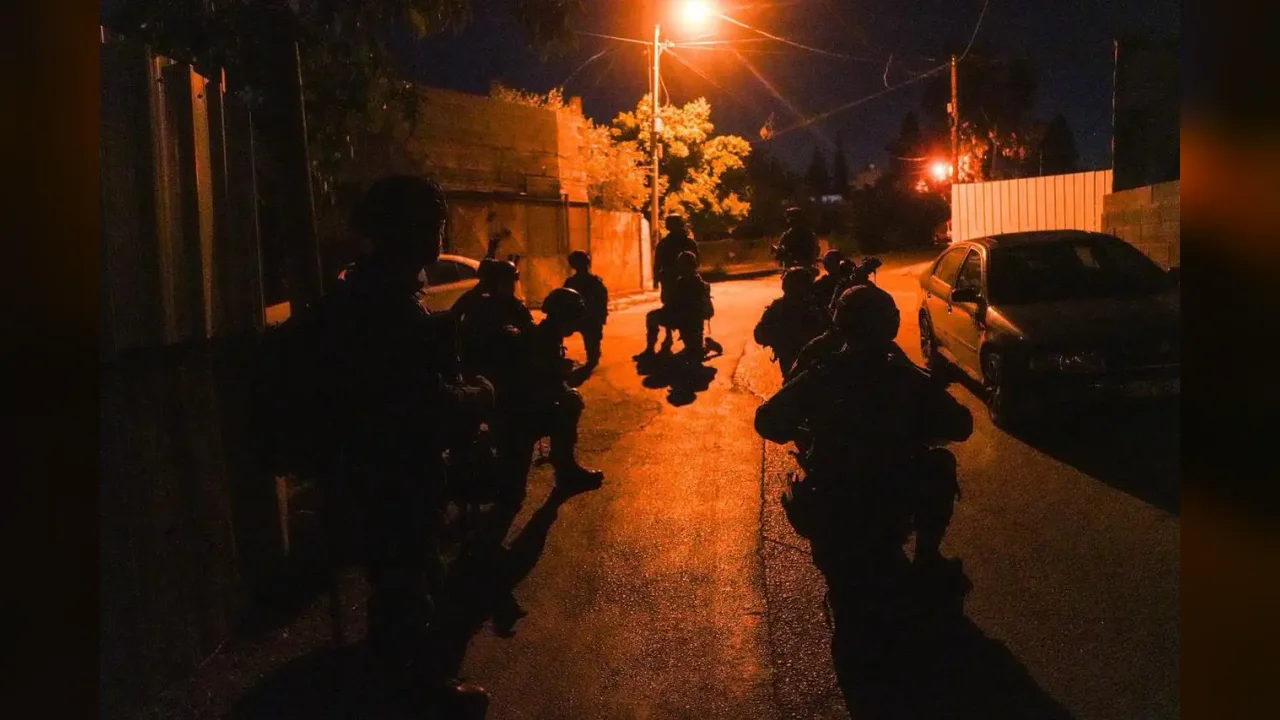
A sharp rise in nationalist crime incidents across the West Bank, marked by the arson of Palestinian homes and vehicles in the South Har Hebron and Binyamin regions, has triggered deep concern within Israeli security agencies. According to senior defense sources, the security establishment faces acute intelligence deficits and a severe shortage of preventive tools, leaving forces struggling to contain organized groups of rioters.
Intelligence Deficits and Force Strain
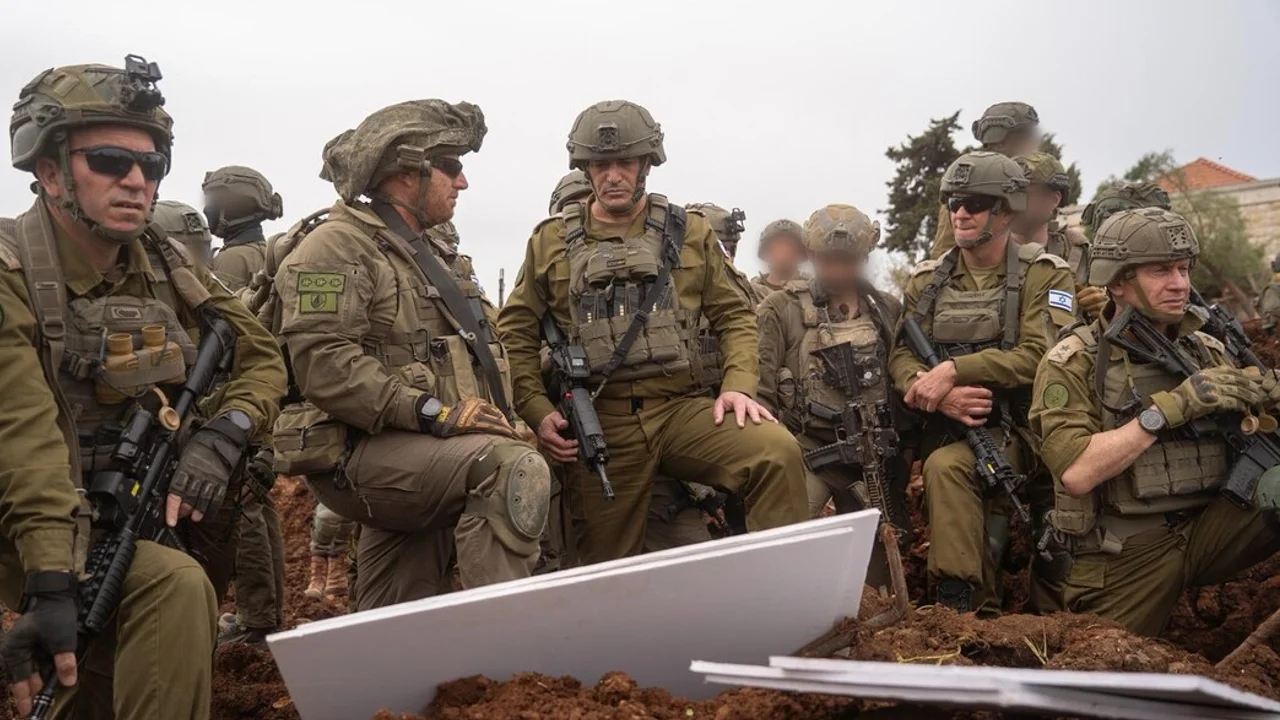
Security officials report that law enforcement and military units operate under immense strain, with combat personnel spending a substantial portion of their operational time managing nationalist crime rather than routine defense duties. A senior official familiar with the details stated that preventive intelligence remains critically low, while existing administrative tools lack effective deterrence.
"We have zero warnings about these events, and there is no intelligence. Combat personnel have to spend 80% of their time dealing with nationalist crime incidents," a senior official noted, pointing to the administrative detention orders for Jewish suspects that were canceled following political transitions at the end of 2024.
Military and police data indicate that operational forces in the West Bank are stretched to their limits. While police figures show a rise in enforcement actions—recording 214 suspect arrests, 72 indictments, and 20 detentions until the completion of legal proceedings since the beginning of 2026—officials concede that these measures primarily reflect retroactive enforcement rather than proactive deterrence.
Friction Points and Evacuations
The surge in violence follows a series of unauthorized outpost evacuations conducted by the IDF. Defense officials assess that several violent incidents serve as retaliatory actions by extremists following enforcement operations. Tensions were further inflamed by an incident in the Susya area of the South Har Hebron hills, where a fire broke out during an IDF evacuation operation, resulting in the destruction of equipment, including tefillin. While activists alleged that military forces ignited the site, emerging documentation indicates that troops arrived after the fire was already burning, creating sharp public friction between segments of the settler community and the military.
Leaders within the settlement movement have strongly condemned the rioting while simultaneously criticizing heavy-handed enforcement tactics during evacuations. Yisrael Gantz, Chairman of the Yesha Council and head of the Mateh Binyamin Regional Council, issued a sharp condemnation of the recent disturbances.
"I condemn the vehicle burnings and graffiti that took place tonight in Judea and Samaria. These grave acts harm the settlement movement and the residents who build it every day. I demand that the Israel Police and the IDF act together decisively and bring those responsible to justice," Gantz stated. He also criticized politicians for adopting terms like 'Jewish terror', arguing that such terminology serves anti-Israel campaigns.
Warnings of Escalation
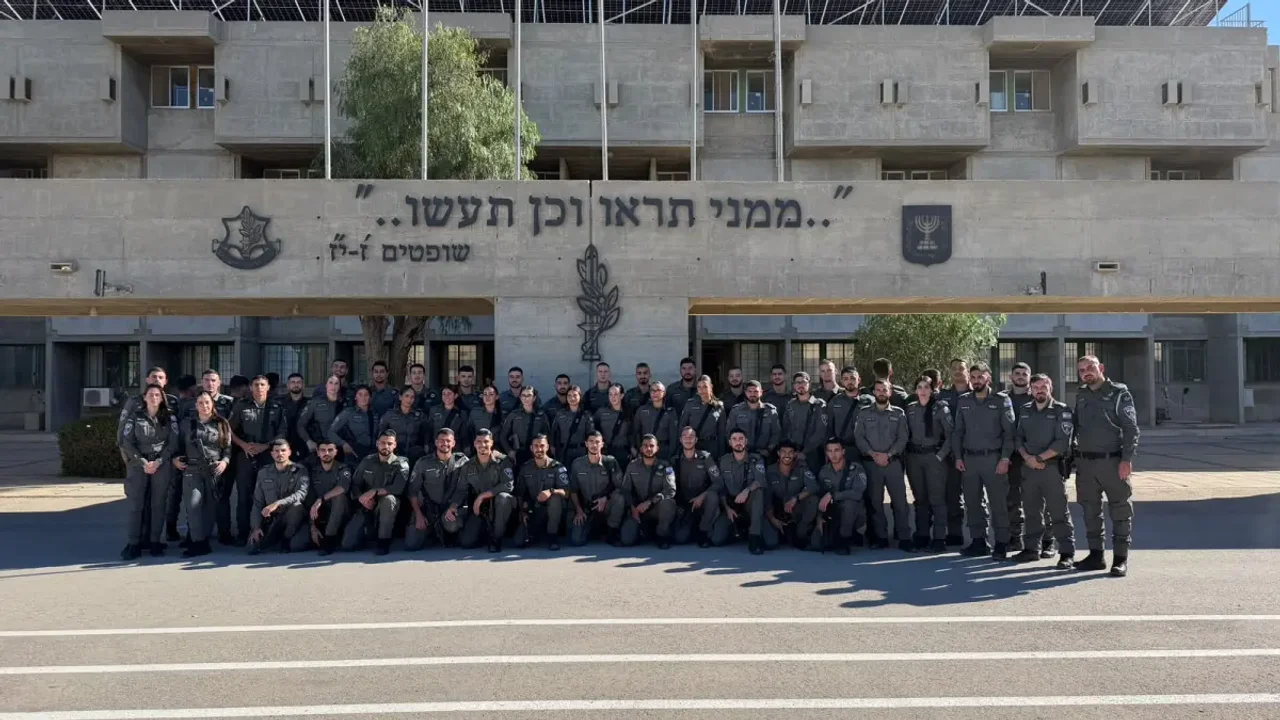
Security officials warn that without immediate policy changes and enhanced preventive capabilities, the situation in the territory risks total destabilization. A specialized Border Police unit trained specifically to handle nationalist crime is scheduled to deploy shortly to bolster current forces, but senior defense figures emphasize that structural reforms and increased troop deployment are imperative to prevent the situation from spinning completely out of control.