Marom Warns Iran Seeks Nuclear Leverage as US Faces Hormuz Security Hurdles
Maj. Gen. Eliezer Marom warned that Iran views nuclear weapons as its ultimate deterrent amid economic collapse, while noting that the US Navy faces complex security hurdles in the Strait of Hormuz.
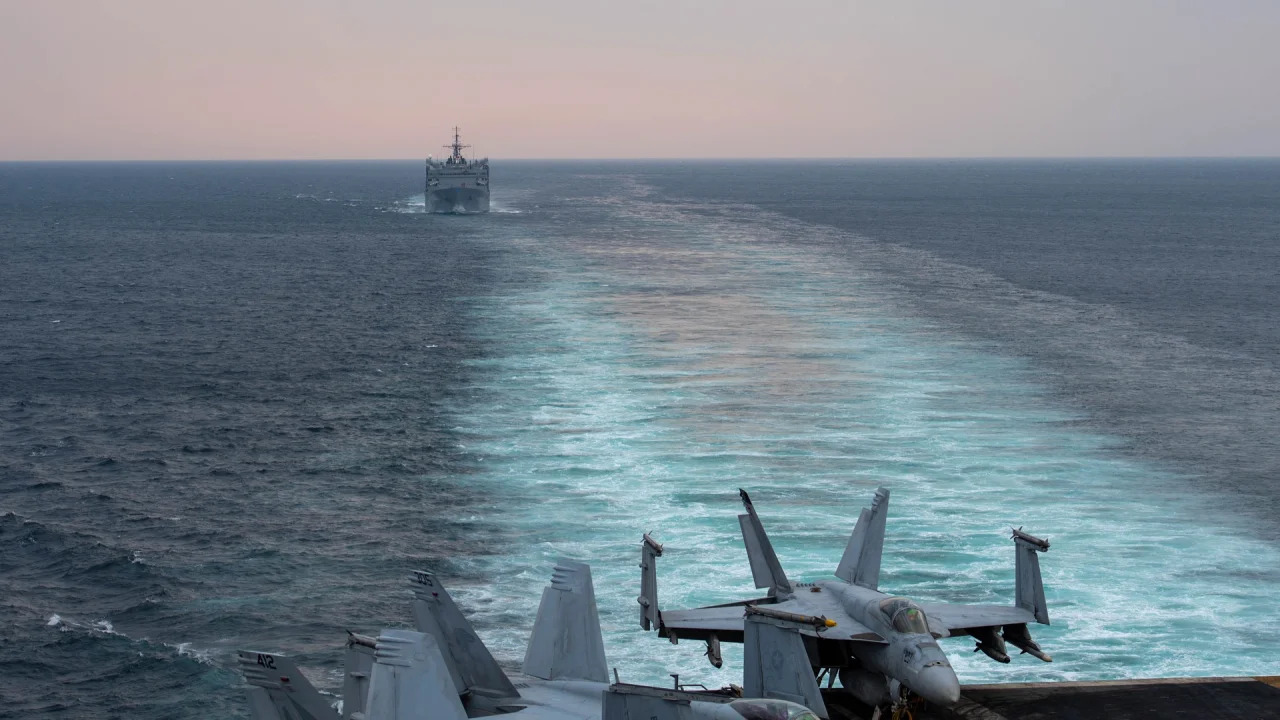
Rising regional tensions with Iran and persistent concerns over strategic weapons development continue to shape security discussions in Israel and the United States. Speaking to the press, Maj. Gen. (Res.) Eliezer "Chainy" Marom, former commander of the Israeli Navy and senior researcher at the Begin-Sadat Center for Strategic Studies, addressed the regime's efforts to acquire unconventional weaponry, its deteriorating domestic standing, and the operational hurdles facing the US Navy in the Strait of Hormuz.
Strategic Challenges and Regime Pressures
Addressing concerns regarding potential chemical weapons development in Iran, Marom noted that military leadership is closely monitoring the situation. He recalled that historical directives from the late Supreme Leader Ali Khamenei avoided active chemical weapon proliferation due to negative experiences during the Iran-Iraq War. However, Marom emphasized that Tehran's economic collapse and strategic isolation have heightened the regime's focus on securing nuclear capabilities as its ultimate deterrent.
"The Iranians today are practically at their wit's end," Marom stated. Pointing to economic distress and public statements by President Masoud Pezeshkian, he added that the regime understands nuclear weapons represent its remaining leverage. While acknowledging assessments that Iran does not currently pose an immediate existential threat to Israel, he cautioned against complacency, stating that security forces must maintain vigilance given the limits of intelligence visibility.
US Policy and Operations in the Strait of Hormuz
Moving to international naval security, Marom analyzed the policies of US President Donald Trump and the complexities of maintaining freedom of navigation in the Strait of Hormuz. He explained that American leadership remains sensitive to domestic sentiment regarding military involvement and energy costs.
"Trump primarily considers the American public, and his public does not like wars and does not want them. Global fuel prices have declined because Americans allowed tankers to pass, but maintaining security in Hormuz involves extremely difficult and complex routine security operations that even a superpower like the US Navy struggles to manage."
Marom highlighted the tactical threats posed by unmanned aerial systems deployed against coalition forces, noting that rising maritime insurance costs and attacks on commercial vessels underscore the persistent security challenges in the region. He concluded that modern naval forces must continuously adapt to counter asymmetric threats, a process that requires time even for major military powers.