Welfare Portfolio Takes Center Stage in Ongoing Israeli Coalition Talks
As coalition talks progress, the Ministry of Welfare faces acute post-war crises. Civil society groups urge the incoming minister to tackle soaring domestic violence, youth trauma, and poverty.
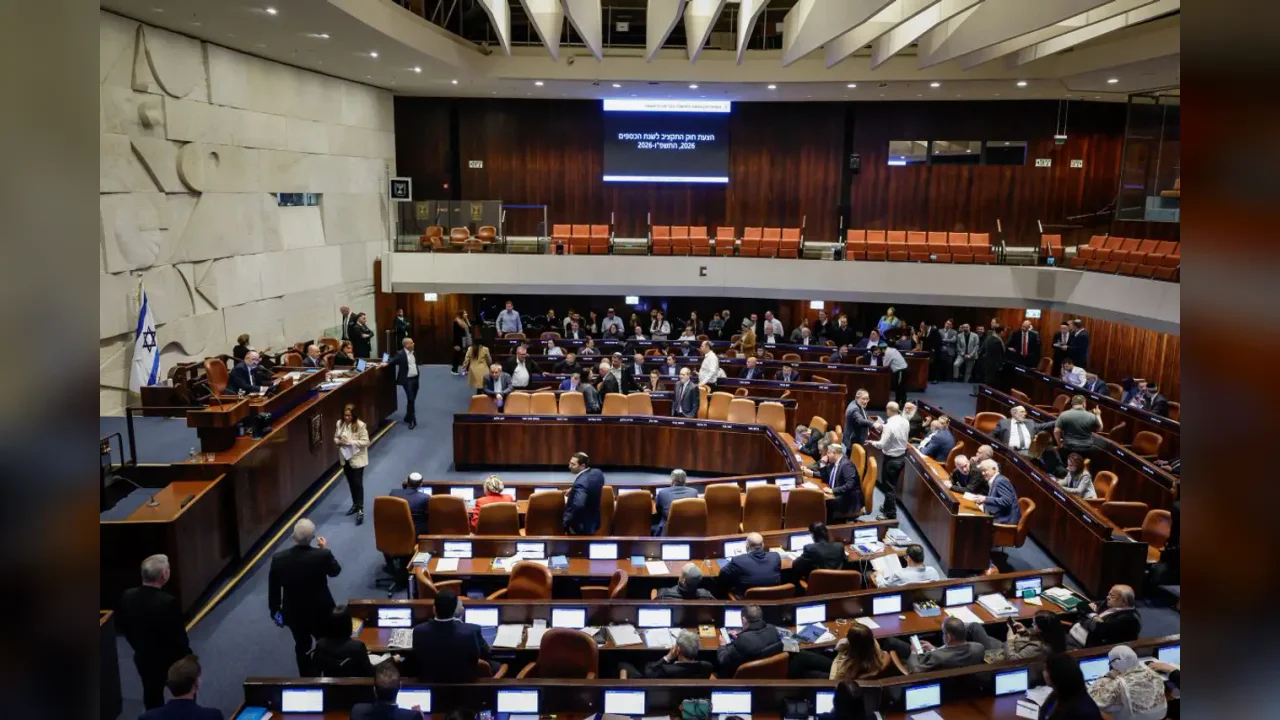
As coalition negotiations continue for the formation of the upcoming government, the Ministry of Welfare is expected to become a central item on the political agenda. While the portfolio often receives less attention than sovereign or security ministries, it directly impacts hundreds of thousands of Israelis who rely on its services, including at-risk children, victims of domestic violence, individuals with disabilities, and families facing severe poverty.
The Crises Facing the Next Minister
Whichever official assumes leadership of the ministry will inherit a system strained by chronic challenges that have intensified significantly during ongoing wartime conditions. Key pressures include an acute shortage of social workers, overwhelming caseloads, and a sharp rise in therapeutic demands. The identity of the incoming minister remains contingent on the final coalition makeup: potential candidates in a prospective change-oriented government include Meirav Cohen, Adi Altshuler, and Naama Lazimi, whereas an alternative arrangement with the right-wing religious bloc could see the portfolio allocated to United Torah Judaism.
Civil society organizations have already outlined a rigorous agenda for the incoming leadership. World WIZO Director General Marcel Avsolin points to a mounting epidemic of domestic violence that has worsened since the COVID-19 pandemic and surged further amid the war. She stresses that the primary challenge is transitioning from reactive crisis management to proactive preventive policies that identify distress early and ensure continuous care, warning that welfare systems cannot shoulder mounting responsibilities without adequate resource allocation.
Emergencies in Youth and Food Security
Concurrently, experts describe the current state of youth welfare as a state of emergency. Data from the ELEM association for 2025 indicates that over half of Israeli youth have been exposed to violence, while reports of online bullying spiked by 135 percent. ELEM CEO Lior Shmueli warns that following years of successive societal shocks, the traditional distinction between normative youth and at-risk youth has nearly dissolved, necessitating a comprehensive multi-year national strategy to prevent an entire generation from grappling with unaddressed trauma. Similarly, AKIM Israel CEO Sigal Peretz Yehalomi highlights severe implementation gaps in welfare service laws for individuals with disabilities, warning that without tailored community support, families are forced to shoulder insurmountable caregiving burdens, often at the expense of their employment.
Furthermore, the Forum for the Fight Against Poverty is pressing for the allocation of 300 million shekels toward the National Food Security Initiative in the upcoming state budget. Attorney Becky Cohen-Keshet explains that neglecting nutritional security costs the healthcare system 5.8 billion shekels annually due to diet-related illness and obesity, while severely damaging children's cognitive and academic development. Welfare advocates agree that addressing these structural crises requires broad inter-ministerial cooperation spanning the Ministries of Finance, Health, Education, and Housing, emphasizing that the incoming administration will be judged not merely by the political alignment of the welfare minister, but by the tangible priority assigned to social policy.