Supreme Court Evaluates Justice Minister Authority in Criminal Probes
All 11 Supreme Court justices convened to review whether the Justice Minister can appoint external overseers for criminal investigations, setting a major precedent despite the concluded case.
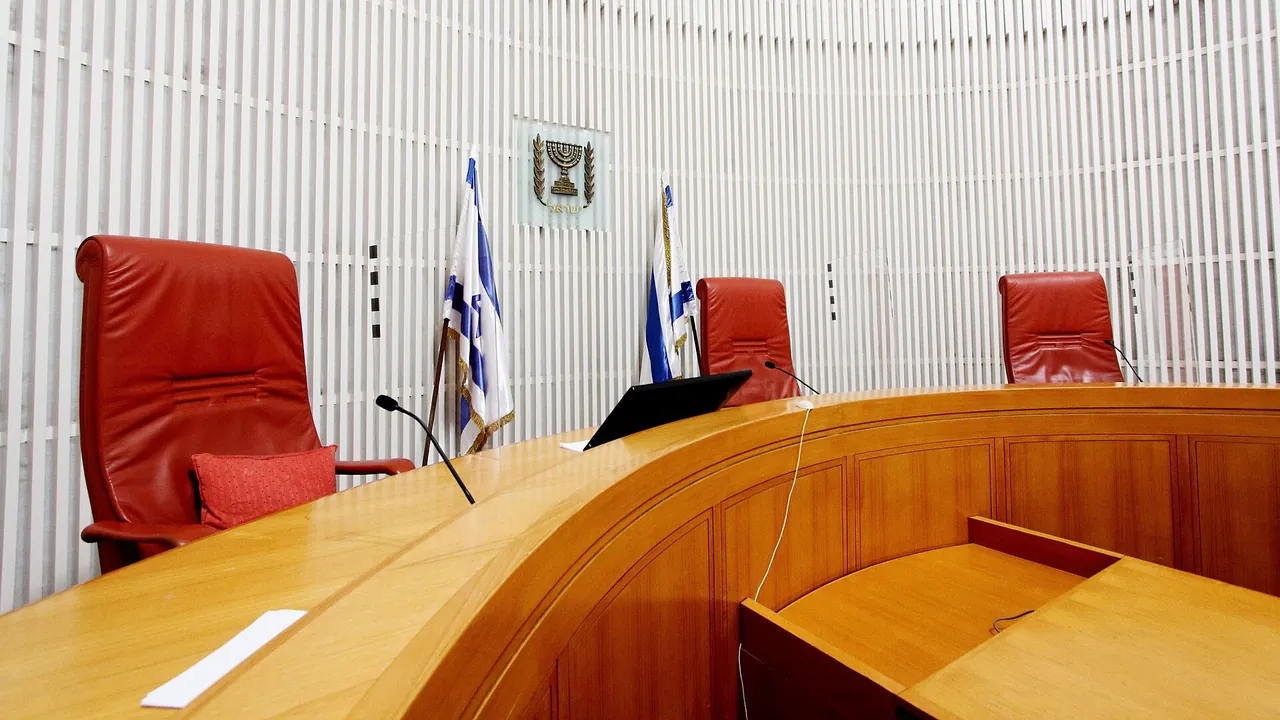
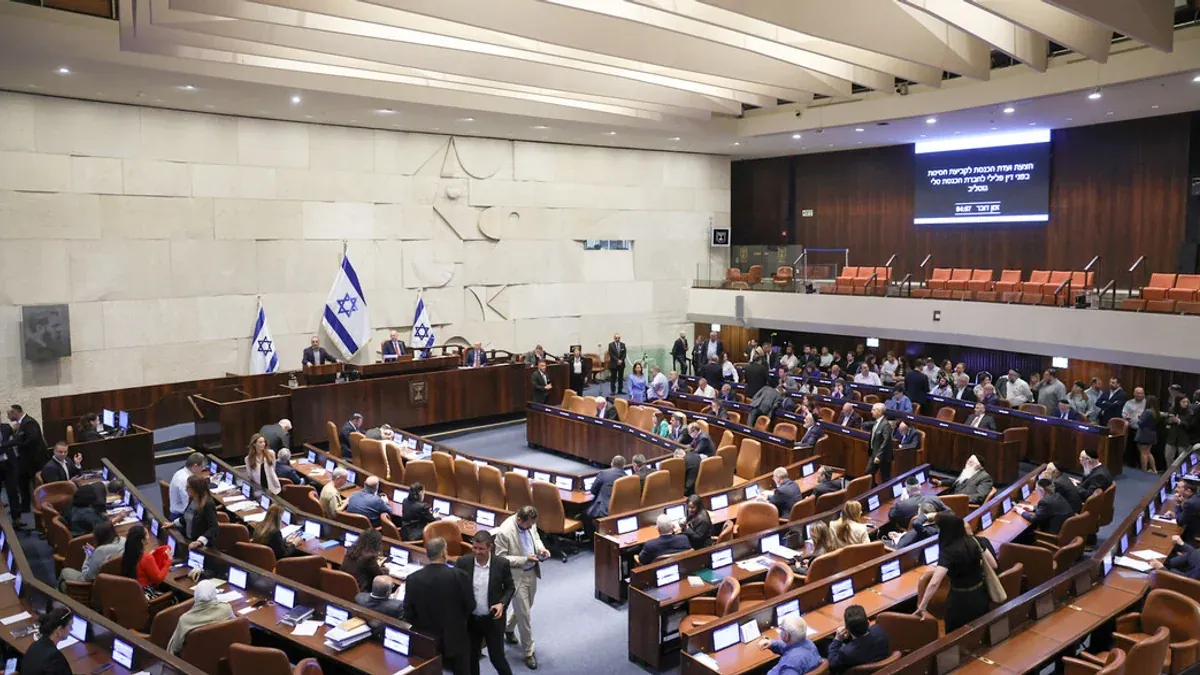
All 11 Supreme Court justices convened on Sunday for an expanded panel hearing to examine whether the Minister of Justice possesses the authority to appoint an external overseer for criminal investigations. The legal proceedings center on a previous ruling that permitted Justice Minister Yariv Levin to appoint an external figure to supervise the investigation involving former Military Advocate General Yifat Tomer-Yerushalmi.
Petitioners and Attorney General Gali Baharav-Miara argued that granting such authority to elected officials risks unacceptably compromising the independence of criminal probes by enabling political interference. Although the investigation into Tomer-Yerushalmi has already concluded—meaning the eventual ruling will not alter the outcome of that specific case—the court's decision will establish a critical constitutional precedent on whether political figures can appoint monitors for criminal proceedings.
Supreme Court President Isaac Amit granted the Attorney General's request for a further hearing, following his decision to freeze the appointment of retired judge Yosef Ben-Hamo as the investigation overseer. Justices previously indicated that while Levin holds the authority to designate a supervisor, any such appointee must be a senior civil servant, and the forthcoming verdict will set binding legal standards for future cases.