Venice Biennale 2026 Pushes Boundaries with Bold and Provocative Art
The 2026 Venice Biennale pushes artistic boundaries under the title In Minor Keys, featuring provocative global installations that explore climate issues, technology, parenting, and societal anxieties.
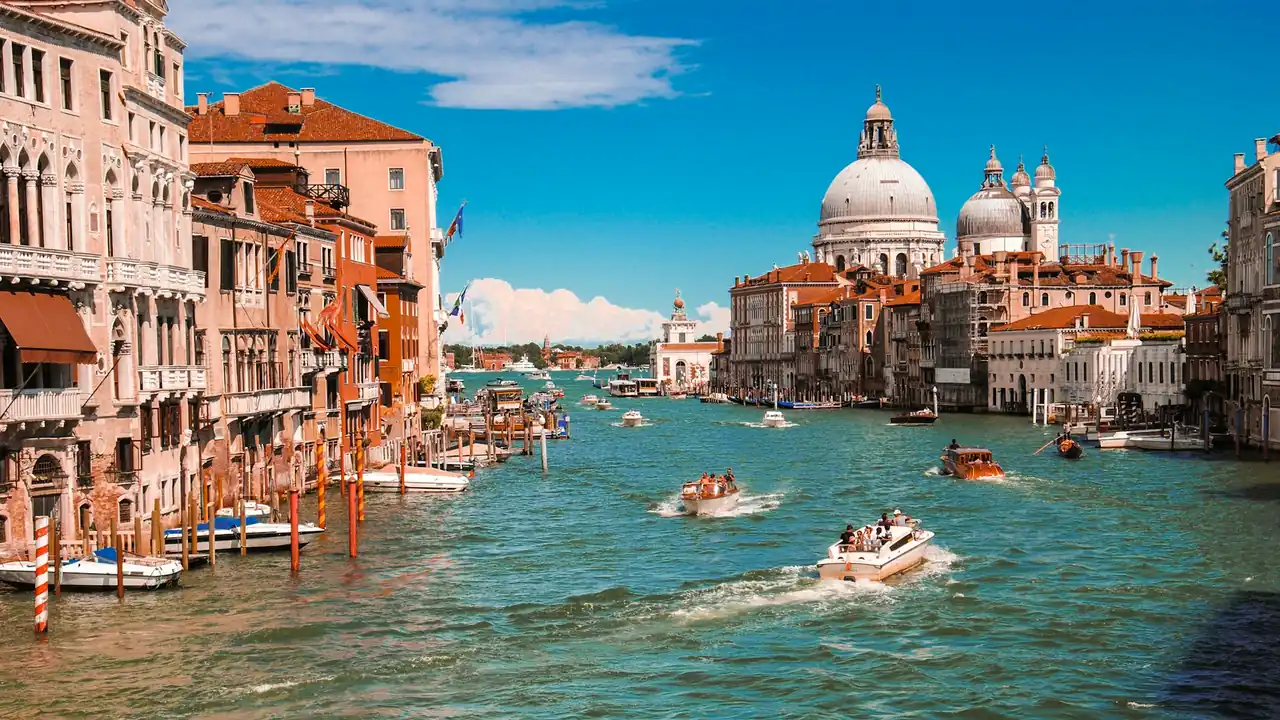
The Venice Biennale continues to push artistic boundaries, proving that contemporary art still possesses original ways to raise eyebrows—and occasionally cause mild nausea—even in 2026. Under the title In Minor Keys, the 61st edition showcases provocative and conceptual works across international pavilions, exploring everything from climate anxiety and parenthood to artificial intelligence and human survival.
From Human Bells to Sewage Pools
Austria's pavilion immediately challenges visitor sensibilities with Florentina Holzinger's Seaworld Venice. Outside stands a massive bell operated by a naked woman using body vibrations, while inside, the installation combines acrobatics with a wastewater treatment system. Filtered urine collected from visitor restrooms feeds a pool where performers swim, sparking a sharp dialogue on humanity's relationship with water and survival in Venice.
Meanwhile, Japan takes a domestic approach with Ei Arakawa-Nash's Grass Babies, Moon Babies. Visitors are invited to carry one of 57 doll babies throughout the pavilion and change its diaper at the end of the tour, where a QR code inside reveals a poetic birth date. The work playfully addresses generational responsibility and parenting in a fragile world.
Technology, Society, and Absurd Futures
Luxembourg tackles bodily shame and taboos through Aline Bouvy's installation La Merde, featuring a film starring a human feces character alongside a sci-fi sculpture. Greece's pavilion, designed by Andreas Angelidakis, transforms Plato's Cave into an underground escape room reflecting modern fake news and political propaganda. In the Arsenale, China presents a robotic arm mirroring traditional calligraphy master Wang Dongling, raising fundamental questions about the future of human creativity.
Other notable entries include Denmark's exploration of fertility and futuristic sperm races in Maja Malou Lyse's Things to Come, and Belgium's theatrical absurdity by Miet Warlop. Ultimately, this year's Biennale proves that contemporary art doesn't aim to be universally loved; it strives to provoke thought and ensure we never remain indifferent.