Europe Faces Extreme Heatwave: Regions at Risk of Wildfires
Planning a trip to Europe? Prepare for the fifth extreme heatwave this summer. With air conditioning often unavailable, authorities have issued high-level fire warnings. Here is where the heat will hit hardest and how to stay safe.
Another wave of extreme heat is expected to wash over large parts of the European continent this week, according to a report by the "New York Times". Forecasters warn that rapidly rising temperatures, combined with persistent dry conditions, could significantly worsen the threat of forest fires.
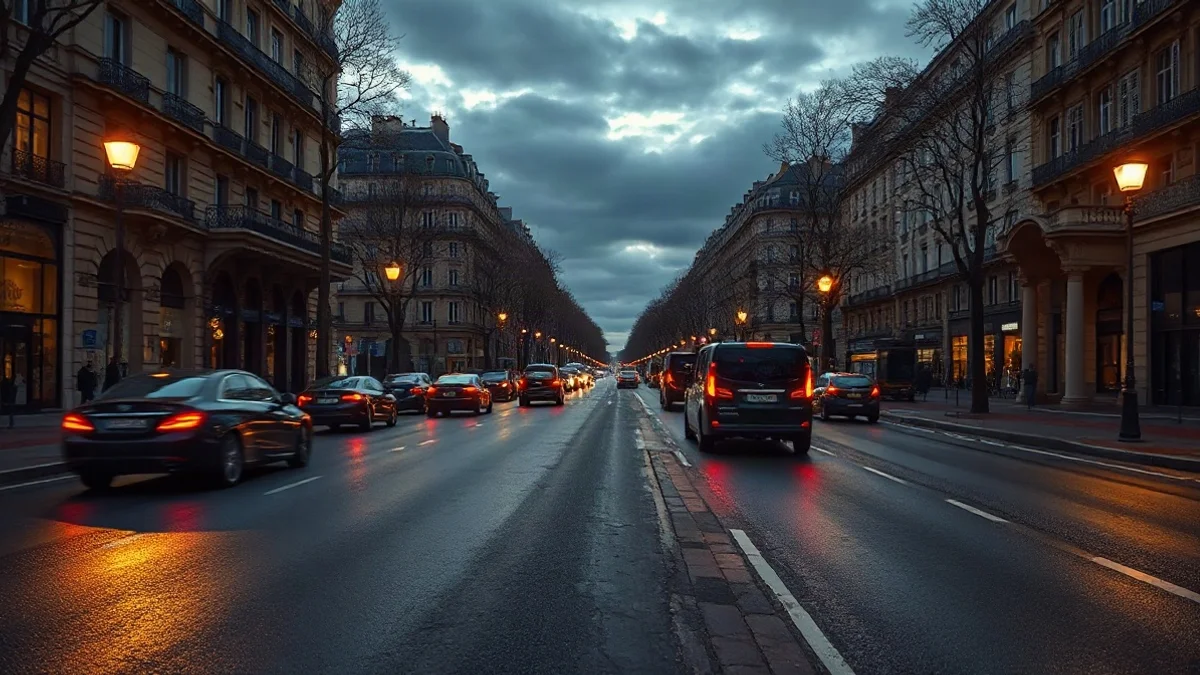
This is the fifth heatwave to hit Europe since May, caused by a large area of high air pressure, or "heat dome", intensifying over the continent. The most extreme heat is expected to strike France, Spain, and Italy before moving toward Central Europe, affecting Germany, Poland, and the Czech Republic.
The European Forest Fire Information System estimates that parts of southern Britain, north-western France, and the region stretching from the Alps to the Balkans will remain under an "extreme" fire warning at least until Wednesday.
Hot spots: Italy, France, and Spain
In Italy, red heat warnings are in effect across numerous regions. The Ministry of Health has placed 27 monitored cities under red alert, with temperatures expected to climb to 40 degrees Celsius in Sardinia, Tuscany, Sicily, and Calabria.
In France, "Météo-France" notes that temperatures will reach 35 degrees, approaching 40 in some areas. In Spain, the heat will coincide with a total solar eclipse on Wednesday. Spain's national weather service (AEMET) warns that temperatures in the south could hit 42 degrees, raising fire risks to critical levels.
Britain: Sweating without AC
Temperatures in the United Kingdom are expected to reach 36 degrees in East Anglia and the South-East by Thursday. If the forecast holds, this will be the fourth consecutive month with temperatures of 35 degrees or higher. Many buildings in Britain were designed to trap heat, and high energy prices deter many citizens from using air conditioning.
Staying cool
To cope with heat stress, experts recommend blocking sun-exposed windows with dark sheets and using fans at night to circulate air. Authorities urge the public to stay hydrated and seek refuge in cooler areas.
Major cities are providing public solutions: Barcelona has established "climate shelters", Paris has deployed public water fountains, and London has published a map of cool spaces. Medical experts warn to watch for early signs of heatstroke, such as dizziness, rapid pulse, or nausea.