US Pressured Venezuela and Iraq to Withdraw From OPEC Amid Growing Cartel Risks
The US administration under President Donald Trump pressured Venezuela and Iraq to withdraw from OPEC, seeking to prevent production quotas from limiting American energy investments.
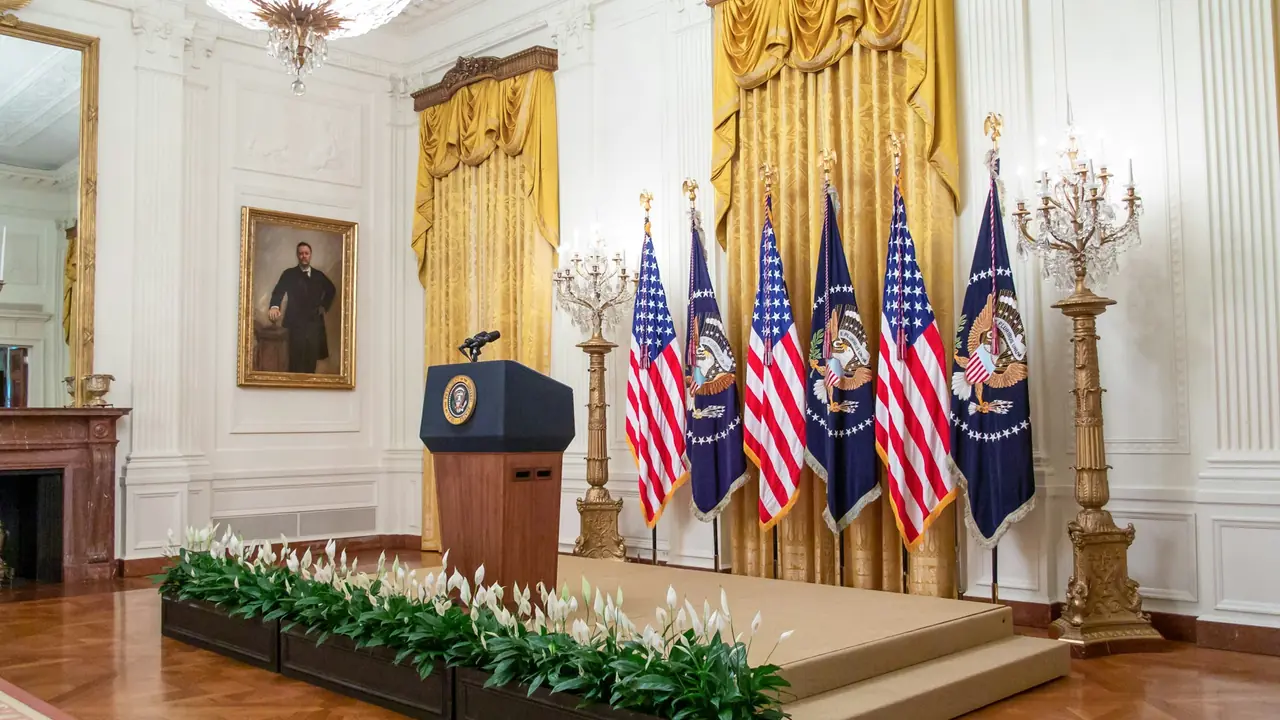
The administration of United States President Donald Trump actively encouraged Venezuela and Iraq to consider withdrawing from the Organization of the Petroleum Exporting Countries in an unprecedented push to undermine the oil cartel. According to ten sources familiar with the matter, Washington officials held discussions in Washington with Venezuelan representatives shortly after the detention of President Nicolas Maduro in January. US officials reportedly raised obstacles regarding Venezuela's payment of its annual membership dues, arguing that the funds could be redirected toward more critical domestic priorities.
The diplomatic pressure stemmed from concerns within the White House that OPEC production quotas would severely restrict plans by American corporations to revive the Venezuelan petroleum industry. The pressure campaign escalated to such an extent that Saudi Crown Prince Mohammed bin Salman intervened during the summer to persuade the US administration to drop the initiative. By August, President Trump publicly stated that the decision regarding membership remained entirely up to Venezuela. Neither nation has ultimately withdrawn from the organization, and annual membership dues of approximately 2.8 million euros per country remain relatively minor compared to overall oil revenues.
Pressure on Iraq and Broader Implications
Similar diplomatic outreach targeted Iraq, where energy giants ExxonMobil and Chevron planned substantial investments. US officials encouraged Iraqi leaders to disengage from the cartel, prompting the idea to be raised during a cabinet meeting before the Iraqi oil ministry successfully persuaded leadership to remain within the organization and instead petition for a higher production quota. The underlying leverage for Washington remains significant, as the US has controlled access to Venezuelan state funds since Maduro's removal, while Iraqi oil revenues have been routed through an account at the Federal Reserve Bank of New York since 2003.
OPEC has faced mounting structural challenges as four nations have departed since 2019, including the United Arab Emirates, which announced its withdrawal this year alongside Qatar, Ecuador, and Angola. While the US played no direct role in those previous departures, the cartel's market share has declined to historic lows amid ongoing regional conflicts involving Iran. Although OPEC leadership indicated it would ignore unpaid dues and has no intention of expelling Caracas, analysts warn that the risk of the organization ultimately fracturing is steadily increasing.