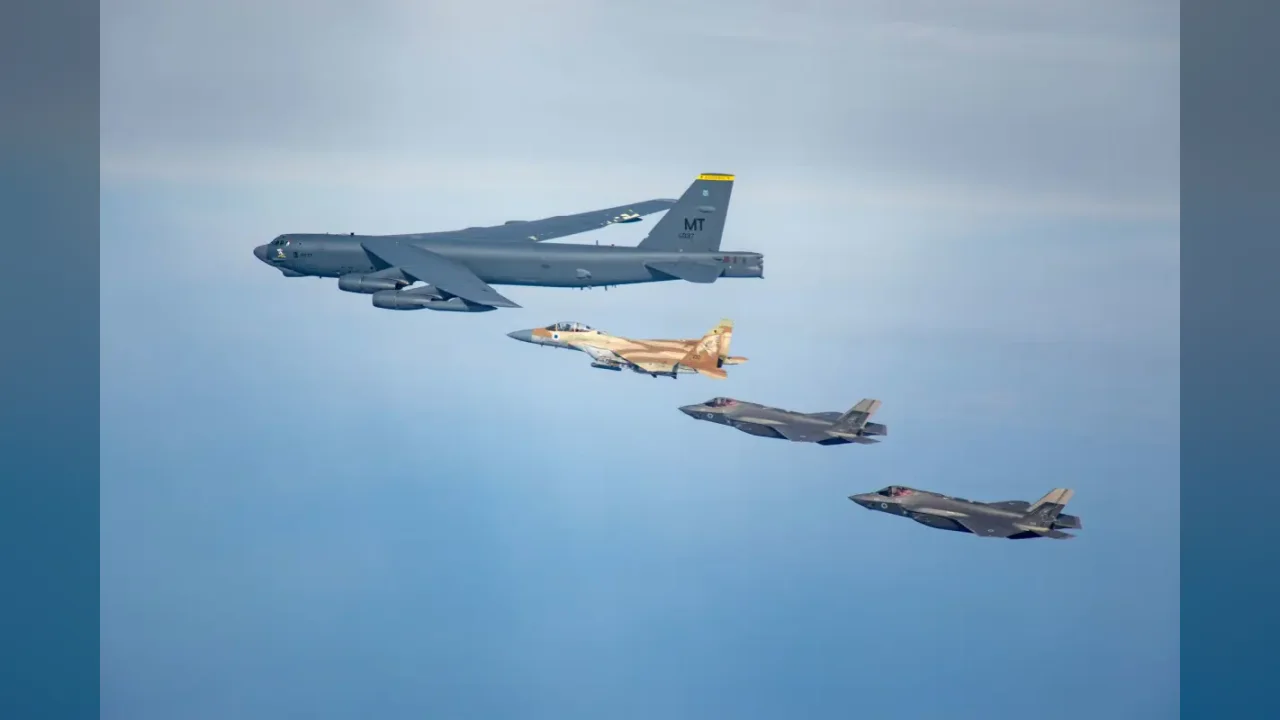
Colombia President Abelardo De La Espriella Escalates Military Offensive on Cartels
Colombian President Abelardo De La Espriella pursues a high-profile military offensive against drug cartels amid a severe fiscal crisis, rising security casualties, and a looming USD 15 billion IMF loan package.
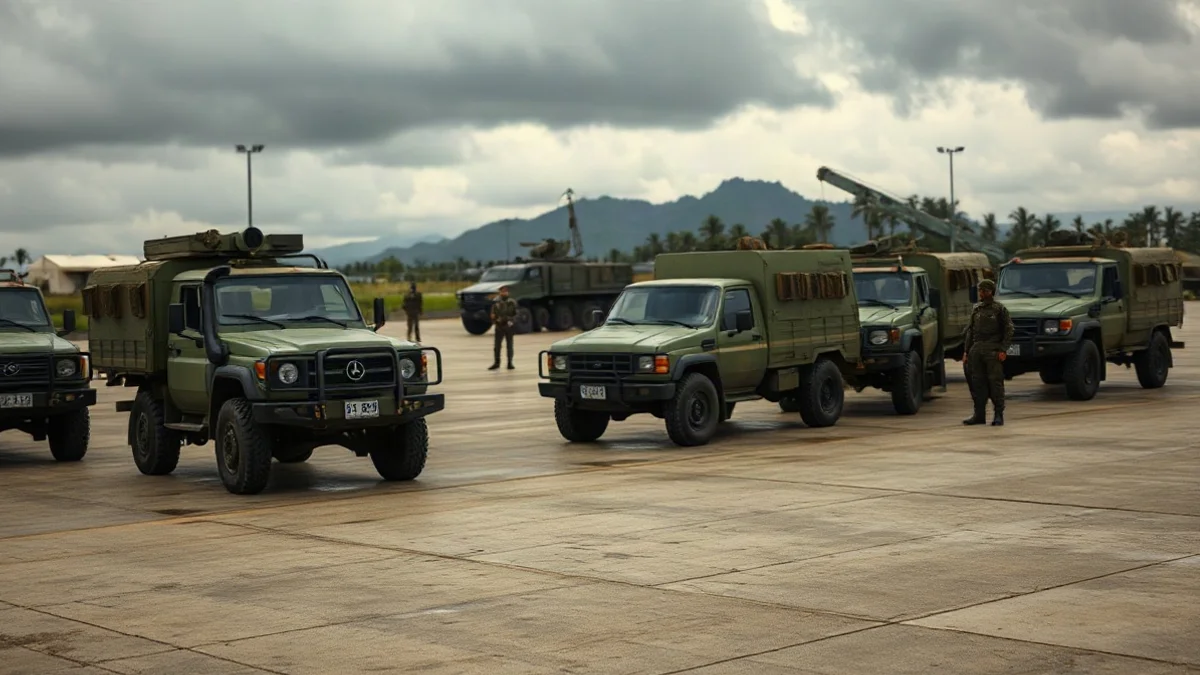
Colombian President Abelardo De La Espriella has launched a high-profile military offensive against armed militias controlling the nation's cocaine trade, combining aggressive field operations with a severe fiscal crisis and entrenched guerrilla groups. De La Espriella, a populist right-wing leader known as "The Tiger" who assumed office on August 7, immediately cancelled his predecessor's peace talks with armed factions, intensified military deployments, and secured assistance from the administration of United States President Donald Trump to combat drug traffickers. The pro-Israeli leader, who restored full diplomatic ties with Israel and previously worked as a defense attorney for high-profile criminals, frequently wears combat gear, carries a sidearm, and accompanies security forces on raids.
Operational Metrics and Security Toll
In the first 16 weeks of his administration, Colombian security forces carried out 11 airstrikes, arrested 38 criminal commanders, and extradited 95 wanted individuals to foreign jurisdictions, according to Ministry of Defense figures. The homicide rate dropped by 9 percent during his first three months in office compared to the same period last year, while security forces killed 134 criminal suspects, marking a fivefold increase over his predecessor's initial three-month record. However, government forces also absorbed heavier casualties, with 38 security personnel killed in action.
De La Espriella recently traveled to Villavicencio following a car bomb explosion that wounded 24 people, vowing retaliation against local militia commander Antonio Medina. Hours later, he arrived in Cartagena after security forces rescued 68 hostages during a supermarket takeover. Experts note that cartels and militias expanded significantly under former President Gustavo Petro, with their numbers nearly doubling to 29,062 fighters. These groups increasingly employ explosive-laden drones, averaging 42 attacks per month between August and October.
Fiscal Pressures and Divergent Assessments
Alongside the military campaign, Colombia faces a deep budgetary crisis and is evaluating a USD 15 billion loan package from the International Monetary Fund. Ministry of Economy projections indicate that without substantial spending cuts, the national deficit will peak at 9.4 percent of gross domestic product next year. Vice President Jose Manuel Restrepo emphasized the linkage between security and the economy, stating that public safety remains a prerequisite for national prosperity. According to an AtlasIntel poll published by Bloomberg, De La Espriella maintains an approval rating of 48.3 percent.
Critics argue that the administration relies heavily on optics rather than systemic reform. Laura Bonilla from the Peace and Reconciliation Foundation described the president's strategy as producing "impressive images but modest results," pointing to a lack of structural measures targeting the financial networks and recruitment pipelines of the armed groups. Conversely, Cali Mayor Alejandro Eder praised the reinforcement of local security, noting that enhanced deployments led to the dismantling of 29 criminal gangs in two months and a 10 percent decline in local homicides.