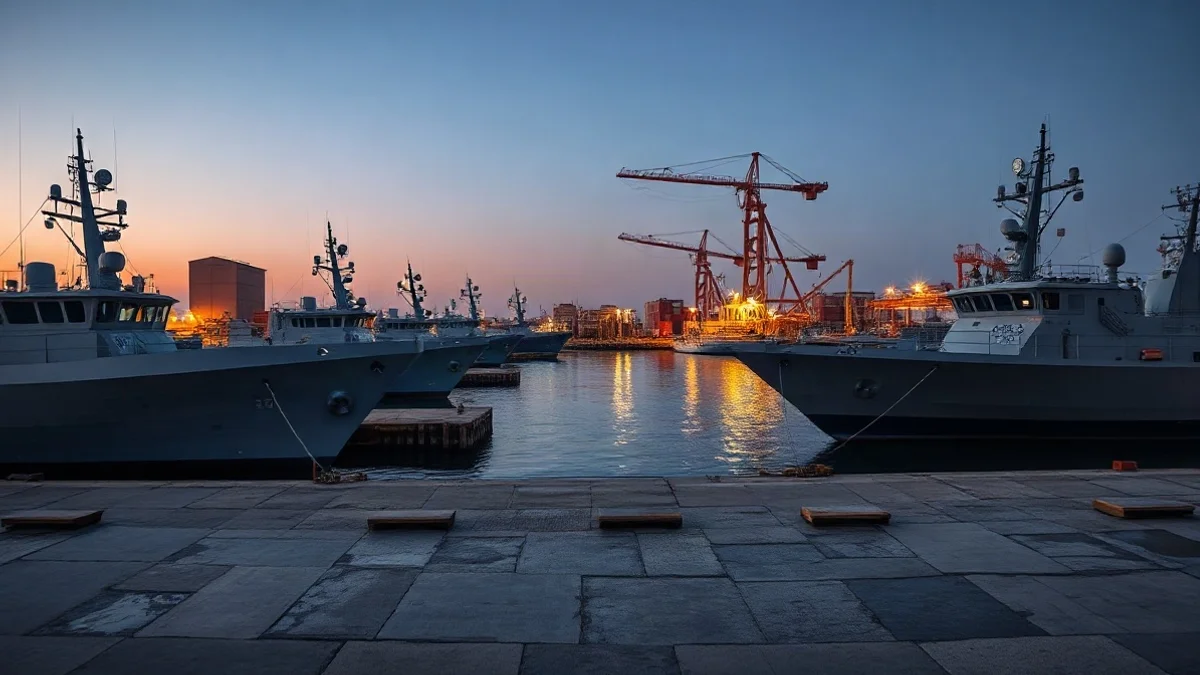
US Reinforces Middle East Force Posture as Trump Weighs Iran Strategy
US President Donald Trump prefers avoiding a new strike on Iran as Washington reinforces its regional military presence with carriers and troops, while strategic gaps remain over handling Tehran's ballistic missile stockpile.
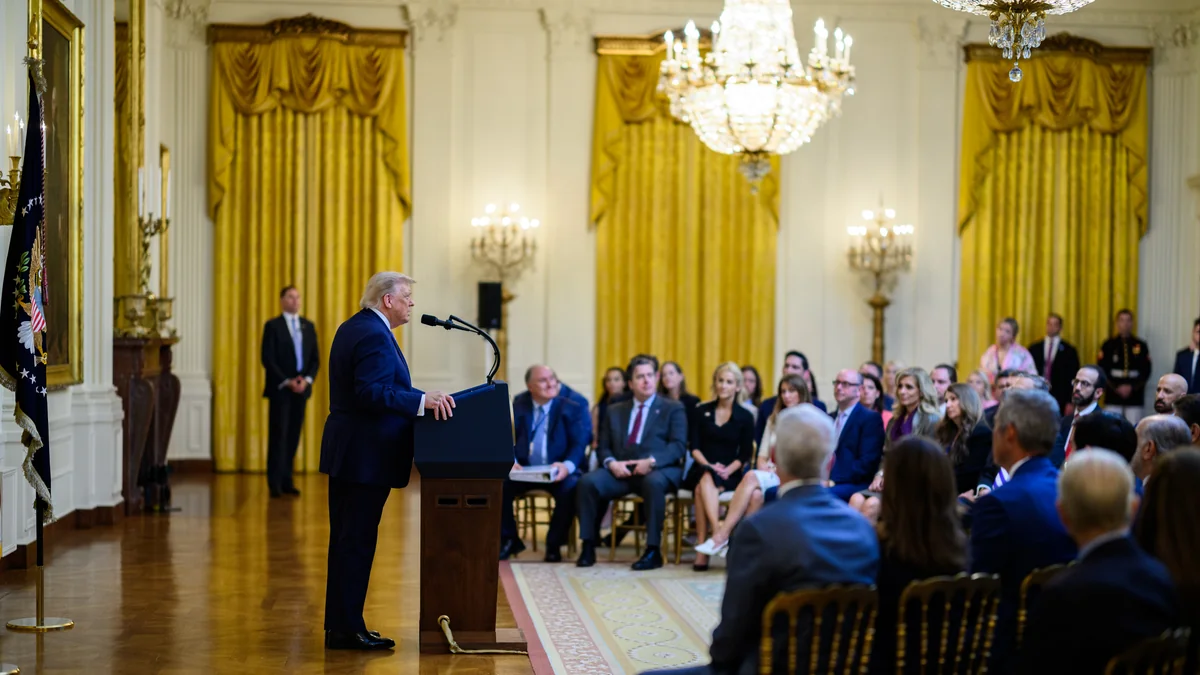
US President Donald Trump has signaled to his advisers that he currently prefers to avoid launching a new military strike against Iran, preferring diplomatic avenues while maintaining a robust military posture in the Middle East. Washington is reinforcing its regional capabilities, with the aircraft carrier USS Theodore Roosevelt arriving in the US Central Command area of responsibility to provide strategic operational flexibility.
The deployment of the Roosevelt marks the presence of three US carriers in the region for the first time since May. This build-up includes electronic warfare aircraft and amphibious assault ships carrying thousands of Marines. Defense estimates indicate that approximately 50,000 American personnel are currently stationed across the Central Command area, creating an extensive infrastructure capable of defending regional allies and executing offensive operations if ordered.
Strategic Deterrence and Gulf Concerns
While public discourse in Israel often focuses on Iranian missile arsenals capable of reaching Israeli territory, Western intelligence assessments highlight Tehran's vast stockpile of short- and medium-range ballistic missiles targeting Gulf states and US regional bases. Estimates suggest Iran retains between 1,000 and 1,500 missiles such as the Fateh-110 and Shahab-2, alongside long-range rockets, presenting a direct deterrent threat to neighboring countries.
Intelligence reports note that despite previous joint military campaigns, Iran has managed to replenish and rebuild portions of its missile array. This dynamic highlights a strategic gap between Jerusalem and Washington, as Israeli officials urge further preemptive actions to prevent Tehran from fully restoring its military and nuclear infrastructure, while the White House weighs the severe risks of renewed regional escalation.
Meanwhile, the Israel Defense Forces remain on heightened alert for potential Iranian retaliatory strikes or surprise maneuvers should diplomatic efforts collapse. Although the US administration has not publicly committed to a new offensive campaign, the expanded military deployment ensures that Washington retains immediate readiness to transition from defense to offense at any moment.