WHO Warns of Severe Health Crisis in Gaza as Floods Trigger Respiratory Illness
The World Health Organization has warned of a sharp spike in respiratory infections across the Gaza Strip, as heavy winter rains flood tens of thousands of tents housing displaced Palestinians.
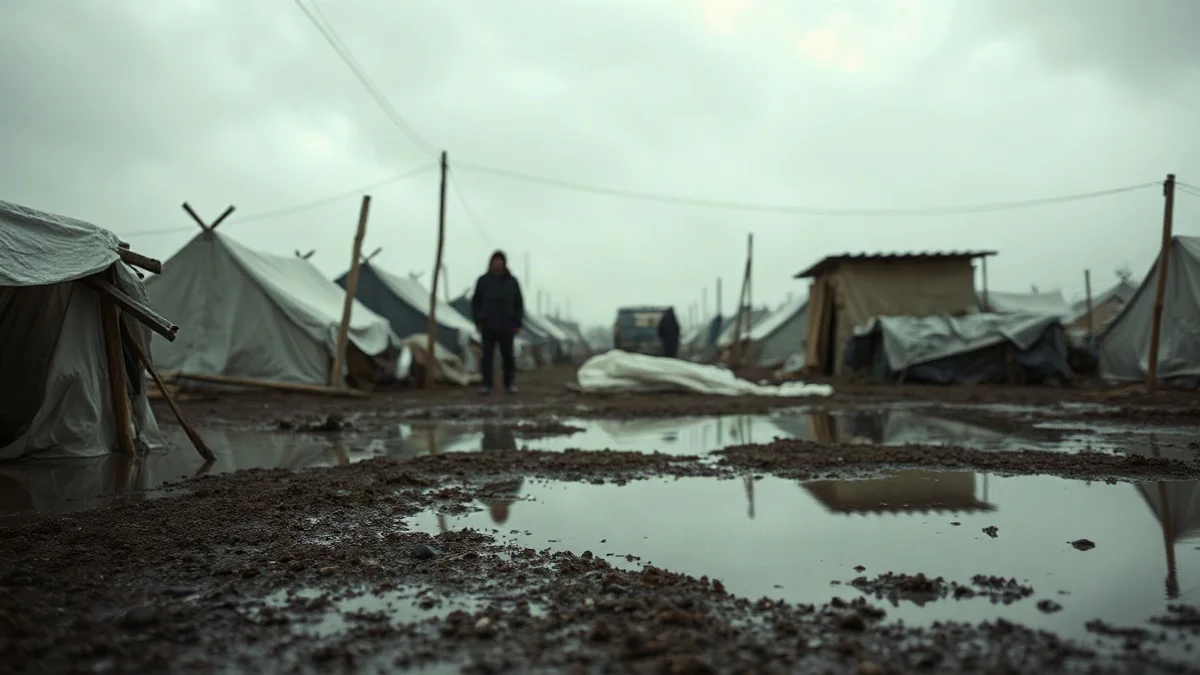
The World Health Organization has warned of an alarming surge in respiratory infections across the Gaza Strip, projecting that conditions will deteriorate further following heavy rains that flooded tens of thousands of tents housing displaced Palestinians.
"The numbers already demonstrate the strain," Dr. Reihilde Van de Weerd, WHO representative for Gaza and the West Bank, told international media from Geneva. "The number of severe acute respiratory infection cases is 33,000 higher compared to the same period last year."
Displacement and Medical Strain
According to the WHO, deteriorating living conditions and severe overcrowding are driving the rise in illness as the population is squeezed into an increasingly restricted area. The pressure intensified following the expansion of security control through the implementation of buffer zones. The WHO noted that this crowds people into tighter spaces where virus transmission rates are significantly higher.
The IDF stated that security zones are designed to protect Israeli citizens and troops from threats, with adjustments made in accordance with the ceasefire agreement and international law, rejecting claims that it intentionally restricts space for the civilian population. Meanwhile, the Coordinator of Government Activities in the Territories (COGAT) reported that since the launch of winter preparedness plans, more than 93,000 tents and over 8,600 trucks carrying tarpaulins, blankets, and winter clothing have entered Gaza. COGAT reiterated that equipment designated for broader reconstruction will only be permitted after the full disarmament of Hamas.
Escalating Winter Risks
Respiratory infections currently account for 11% of all medical consultations in the region. The WHO projects that freezing weather, flooding, shelter congestion, and poor ventilation will drive infection rates even higher.
"It is shocking to see how just a few days of rain showed us what to expect in the coming months. And winter hasn't even hit with full force. The worst is truly ahead of us," Van de Weerd said.
Almost one million displaced people in Gaza reside in flood-prone areas, with 400,000 situated in locations classified as high risk. Flooding increases the risk of water contamination, while standing water creates breeding grounds for mosquitoes and pests. Although most standard pharmaceuticals are entering the strip, the WHO reported severe difficulties in bringing in essential laboratory equipment needed to diagnose patients before treatment. The organization has urged immediate authorization for lab equipment imports to avert an escalating health catastrophe.