Democrats Win Control of US Congress, Setting Up Clashes With Trump
The Democratic takeover of Congress following the midterm elections strips Donald Trump of his legislative majority, setting the stage for intense political gridlock, aggressive oversight, and battles over Iran policy and the federal budget.
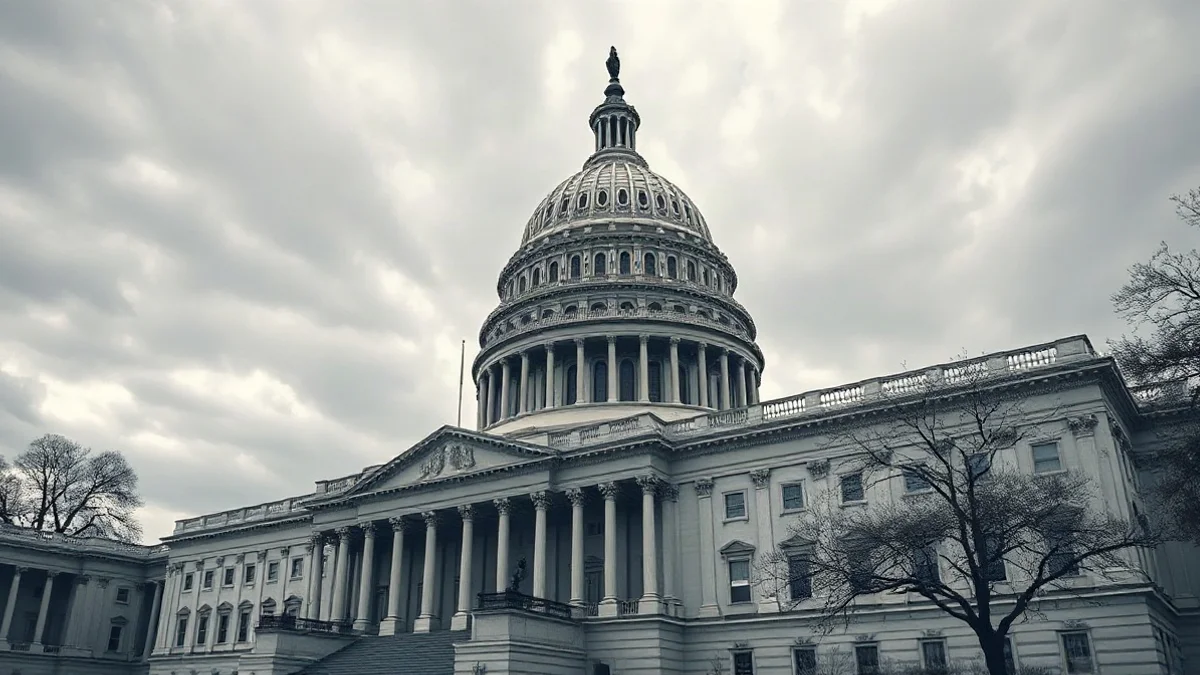
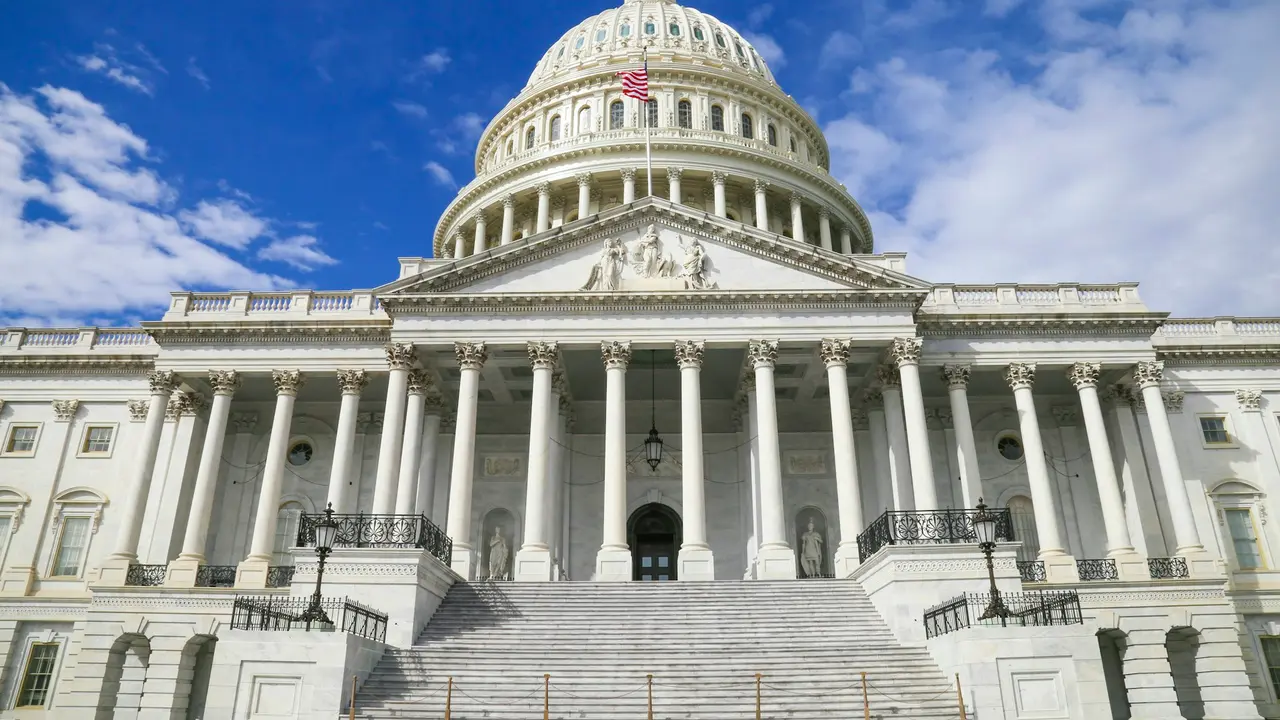
Donald Trump will continue to serve as US president until January 2029, but starting next January he will no longer enjoy Republican control of Congress. The sweeping victory by the Democrats in the midterm elections, which granted the party control of both the House of Representatives and the Senate, significantly alters the balance of power following two years of unified Republican governance.
The immediate economic consequence of this shift is that Trump will face substantial hurdles in advancing new legislation on taxes, the federal budget, and regulation. During his first two years of his second term, the president benefited from a Republican majority that allowed him to push through sweeping fiscal changes. Now, any significant bill will require Democratic consensus, as the opposition is expected to press its own demands.
Among the central issues slated to fuel political battles are healthcare expenditures, subsidies for medical insurance, and cuts to welfare programs. Democrats have already signaled their intent to restore subsidies under the Affordable Care Act and roll back certain reductions to Medicaid. Nevertheless, not all of Trump's economic policies hinge on congressional approval, given that executive powers in trade remain broad and existing tariffs rely on authorities granted by previous legislation.
Congressional Investigations and Oversight
One of the most consequential outcomes of the Democratic victory is the anticipated wave of investigations targeting the Trump administration. Committee chairs in the House and Senate will wield subpoena power to summon senior officials, demand documents, and compel testimony. Targets of potential inquiries include family business dealings, conflict-of-interest allegations, immigration enforcement, and decision-making surrounding the conflict with Iran.
Defense officials, including Secretary of Defense Pete Hegseth, may find themselves called before congressional panels to account for wartime decisions. While committees cannot secure criminal convictions, they can expose information, hold high-profile hearings, and refer findings to law enforcement agencies, setting the stage for protracted legal battles over document production and cooperation.
Implications for US Policy on Iran and Israel
Mark Dubowitz, CEO of the Foundation for Defense of Democracies (FDD), notes that despite legislative friction, Trump retains vast executive authorities to reinforce military cooperation with Israel, safeguard its freedom of operation, and counter the Iranian threat. "The strengthening of Democrats in Congress will create obstacles, particularly regarding arms transfers and attempts to halt US military operations against Iran," Dubowitz said. He emphasized that the ultimate test is whether Trump views Israel's military might as essential to American power in the Middle East.
Meanwhile, Prof. Ted Sasson of the Institute for National Security Studies (INSS) assesses that mainstream progressives will dictate the Democratic agenda regarding Israel rather than the party's far-left fringe. While mainstream progressives differ from radical critics and do not seek to terminate the alliance or impose an arms embargo, support for Israel is increasingly carrying a political cost within the Democratic Party.