U.S.-Israel Relations Face Unprecedented Strain Amid Shifting Congressional Dynamics
Israel faces unprecedented pressure in the U.S. political landscape as bipartisan support erodes, Congress shifts, and future midterms threaten bilateral ties.
The recent assault on Washington Post photographer Heidi Levine has made headlines in the United States and drawn widespread condemnation, particularly within the Democratic Party. However, the incident can hardly be dismissed as an isolated event, coming after a series of attacks on international and local media representatives by settlers in the West Bank over recent months.
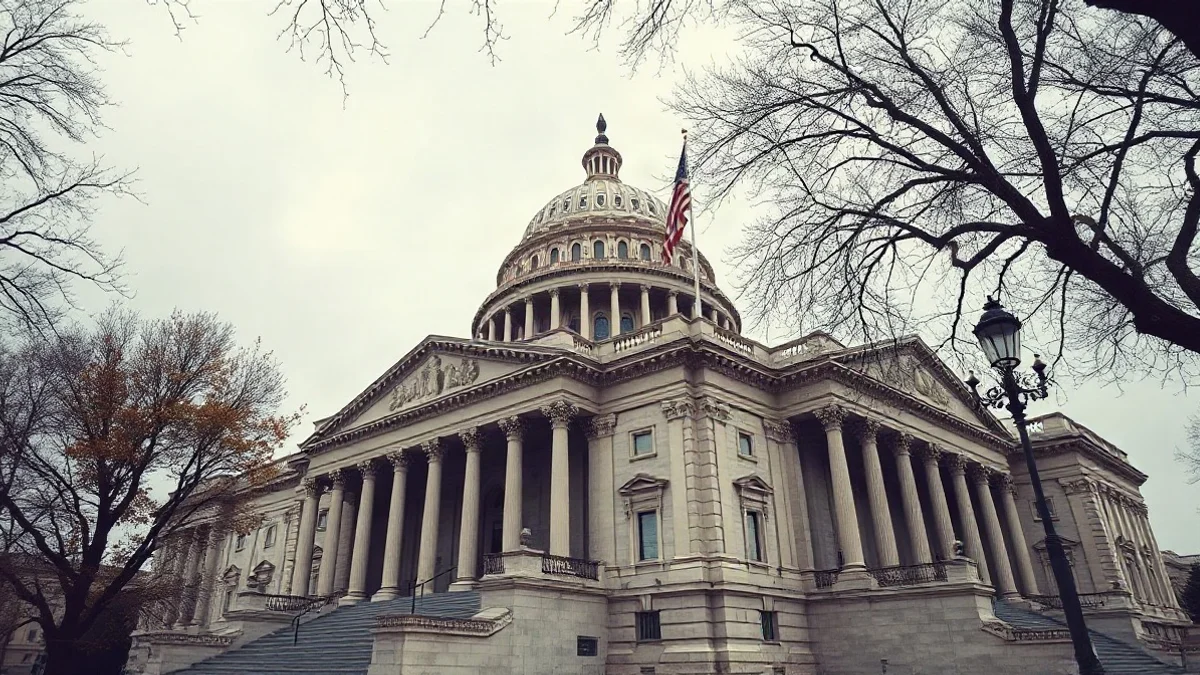
These developments unfold as Israel's standing in American public opinion and within the political establishment reaches a historically fragile point. The situation is widely expected to deteriorate further following the upcoming midterm elections in November, where the House of Representatives is projected to flip to Democratic control. If the Senate also falls to the Democrats—a scenario increasingly viewed as plausible—the resulting shift in bilateral relations could prove unprecedented.
The Impact of Congressional Control
Democratic control over both chambers of Congress would grant the party significant legislative leverage. This could include delaying major arms sales at the committee stage, exerting direct influence over the annual military aid package to Israel, and bringing floor votes on legislation aimed at restricting weapons shipments. Furthermore, Democrats could seek to codify into law the sanctions against radical settlers that were previously lifted by the administration of Donald Trump.
While Donald Trump retains the presidential veto and his State Department could deploy emergency executive measures, a Democratic-controlled Senate could severely obstruct his administrative appointments and legislative agenda during the final two years of his term. Criticism of the government of Benjamin Netanyahu has become a broad consensus among Democrats, leaving even Israel's staunchest traditional allies on the defensive as they attempt to channel criticism away from the fundamental legitimacy of the state.
Shifts in Public Opinion and the Republican Base
The erosion of bipartisan support is not confined to the Democratic Party. According to recent Pew Research data, 57 percent of Republicans aged 18 to 49 now hold a negative view of Israel. This shift occurs against the backdrop of a rising isolationist faction within the conservative movement, championed by prominent figures advocating for strategic disengagement from the Middle East.
As the United States approaches the 2028 presidential election, the trajectory of U.S.-Israel relations faces a critical juncture. A potential Democratic successor to the White House is expected to reintroduce stringent policies regarding West Bank violence and reconsider unconditional diplomatic backing, signaling a profound transformation in Washington's approach to its closest Middle Eastern ally.