US Weighs Renewed Support for Armed Iranian Opposition Amid Rising Unrest
The United States is re-evaluating military and logistical support for armed opposition groups inside Iran as domestic protests expand amid severe economic crises and stalled diplomacy.
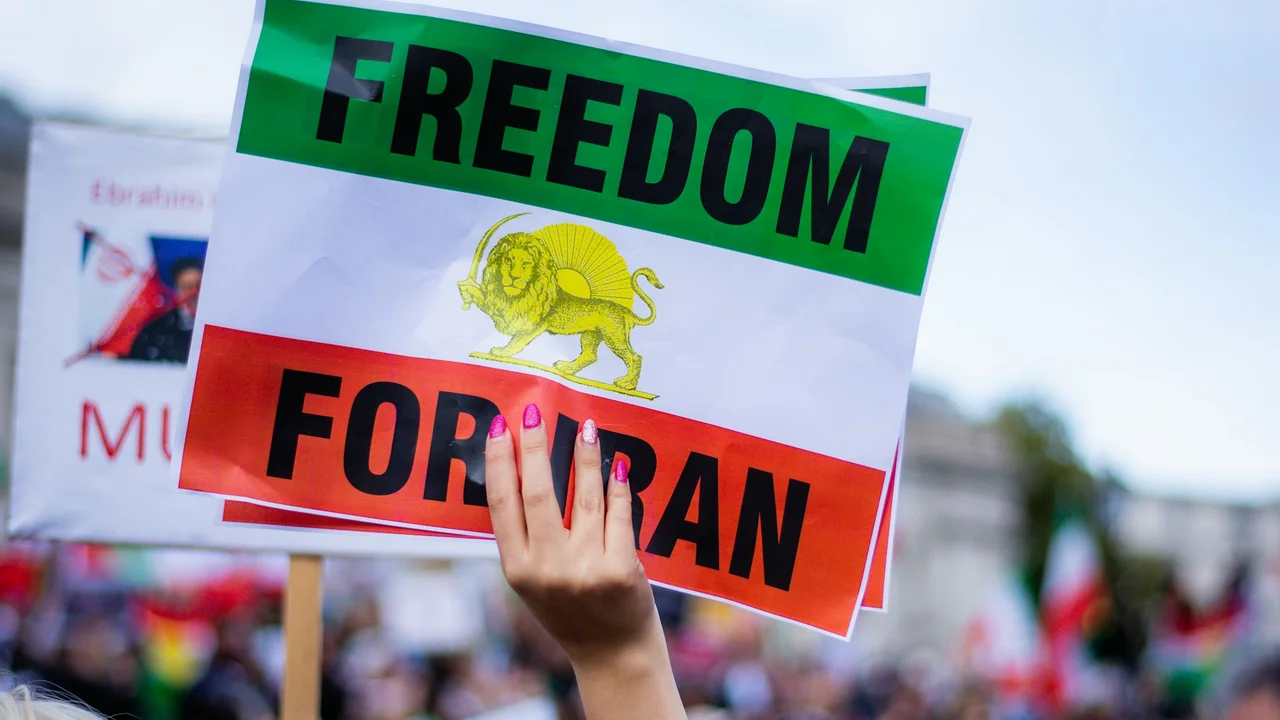
The United States is re-evaluating its operational strategy against Iran, weighing the possibility of providing military and logistical support to armed opposition groups inside the country. According to reports citing American diplomatic sources close to the National Security Agency, the policy review comes as assessments indicate that ongoing economic sanctions and financial blockages alone may prove insufficient to achieve near-term strategic objectives.
Strategic Reconsideration and Past Hesitation
Consultations across the Pentagon, the Central Intelligence Agency, and the White House have focused on increasing security pressure on the Islamic Revolutionary Guard Corps, which officials view as a primary barrier to diplomatic progress. Reports indicate that Washington previously coordinated with Israel regarding logistical aid to armed Iranian opposition factions and evaluated potential joint operations alongside the Mossad. However, the United States stepped back from the initiative several months ago following warnings from intermediaries that Tehran would target American military assets and strategic interests in the region if the assistance programs proceeded.
Expanding Domestic Protests
Discussions in Washington unfold against a backdrop of escalating domestic unrest across Iran, where nationwide strikes by truck and fuel tanker drivers have disrupted transit in Tehran and more than 14 other cities amid acute shortages of fuel, bread, and basic foodstuffs. Concurrent demonstrations by workers, retirees, and educators have featured widespread chants against official corruption, soaring living costs, and capital punishment. While authorities have attempted to stabilize prices and manage the unrest through temporary economic interventions, analysts argue that the unrest reflects a profound political and social breakdown.
"The escalating strikes and demonstrations reflect an accumulation of public anger and a deepening crisis of trust between Iranian society and the ruling apparatus."
Economic analysts point out that while international sanctions exacerbate severe inflation and erode purchasing power, public grievances stem fundamentally from structural state deficiencies and the diversion of national resources toward internal suppression and regional military ventures. Observers warn that Tehran faces a delicate dilemma, as enacting concessions under external pressure risks fracturing internal power centers, while maintaining current policies deepens the socio-economic crisis.