Police Officer Recounts October 7 Shelter Rescue, PTSD, and Road to Recovery
Police officer Slava Pitkevitch recalls surviving the October 7 massacre, rescuing wounded women from a shelter, and his subsequent battle with PTSD and recovery at Beit Halochem.
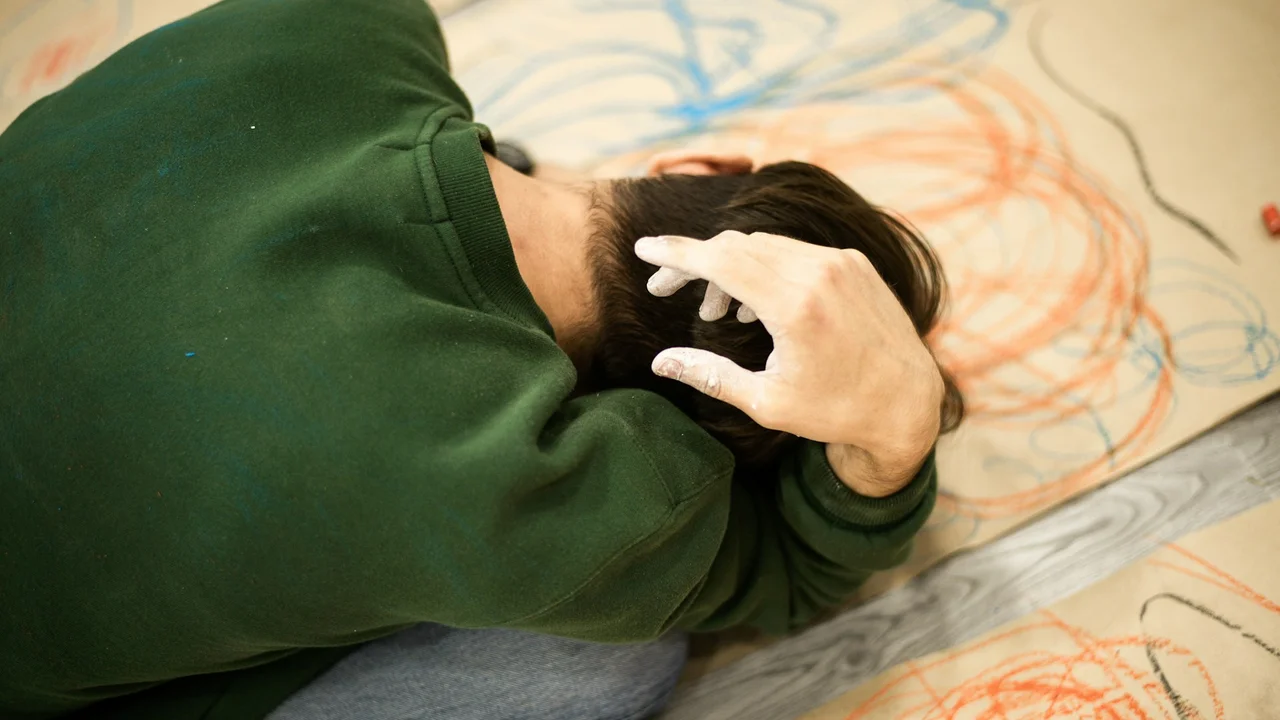
Slava Pitkevitch, a 36-year-old veteran police officer from Beersheba, is set to retire from the Israel Police next month after years of service in the Border Police and tactical units. However, his operational experience did not prepare him for the events of October 7, 2023, when Hamas launched a massive terror assault against Israel.
The Morning of the Assault
Returning home to Beersheba at around 4:00 AM after a night shift combating crime in the Bedouin diaspora, Pitkevitch managed only brief rest before sirens wailed across the country at 6:30 AM. He woke his wife, Esti, and together they ushered their children into the apartment's Mamad safe room. Shortly thereafter, an emergency mobilization order arrived, and Pitkevitch reported to his unit.
"At that stage, I thought we would only be required to block roads and assist forces," Pitkevitch recounts. "I had arrived at a new police unit just two weeks earlier and had not yet met everyone. We loaded weapons into the vehicle, geared up, and drove toward the towns of the South. Along the way, we heard radio reports about terrorists infiltrating communities, injured civilians, and fallen officers. At that point, you still cannot grasp the magnitude of the event."
Ambush at Re'im and the Highway 232 Carnage
The force's first stop was Ofakim, where officers scanned a van abandoned by fleeing terrorists before pressing forward toward Kibbutz Re'im in response to frantic calls for help. Arriving at Highway 232, they encountered a horrific scene of burned vehicles destroyed by RPGs and heavy gunfire, alongside the bodies of fallen security personnel, including the commander of the Rahat police station, Chief Superintendent Giar Davidov.
"Near one of the shelters, we encountered a crazy number of terrorists and engaged in a firefight," Pitkevitch recalls. "We saw the shelter filled with smoke and dozens of bodies inside, close to 50 or 60. During the battle, grenades were thrown at us. One landed near me. I managed to jump behind a vehicle at the last second, but the blast concussion injured my ear and damaged my hearing. I could not stop for medical treatment, because as long as you can walk and hold a weapon, in your mind everything is fine."
Once the terrorists were neutralized, Pitkevitch and another officer entered the shelter under fire to rescue two young women trapped beneath piles of bodies. Both victims sustained severe injuries, including broken bones and gunshot wounds. Operating on pure instinct, Pitkevitch worked methodically despite falling rockets and the sound of civilians saying final goodbyes over handheld radios. The force subsequently continued rescuing survivors hiding across open terrain near the Nova music festival site, transporting dozens of civilians and fallen soldiers in successive trips, followed by days of clearing terrorists from alleys and schools in Sderot.
Recovery, PTSD, and Beit Halochem
Returning to routine security duties the following day, Pitkevitch experienced the initial onset of post-traumatic stress symptoms during a rocket barrage in a crowded shelter. Over subsequent months, flashbacks, severe anxiety, and panic attacks led to deep isolation. He underwent psychiatric treatment and spent six months in rehabilitation at Lev Farm three days a week, while navigating a nearly two-year process to secure permanent disability recognition from the Ministry of Defense.
Encouraged by his therapist to write down his experiences, Pitkevitch compiled his memories into a forthcoming book titled "Between the Cry and the Beating Heart." Throughout the ordeal, his wife Esti remained his primary anchor, managing the household and supporting him through every stage of recovery. Following his rehabilitation, Pitkevitch joined the Beersheba branch of Beit Halochem, where he found a supportive community of disabled IDF veterans who understood his experiences without requiring explanation.
Life After Uniform and Legislative Appeals
As he prepares to retire from the police force at age 36, Pitkevitch is studying finance, writing, and lecturing, while raising his four children, including his youngest son, Eitan, who was born during his rehabilitation. Though he still navigates nightly flashbacks and breathing exercises, he remains committed to moving forward.
Marking Day of Appreciation for Wounded Veterans, Idan Kleiman, Chairman of the Organization of Disabled IDF Veterans, emphasized the critical need for continued governmental support:
"The War of Revival has brought an unprecedented increase in the number of physically and psychologically wounded soldiers. We are at a critical juncture—the 'golden hour' for rehabilitating wounded combatants is running out, and further delay could jeopardize their future. Our commitment to those who paid with their bodies and minds does not end with expressions of gratitude on Day of Appreciation, but with action for them every single day."