US-Iran Escalation Risks Remain High Despite Midterm Elections and Oil Drop
Analysts warn that US-Iran military conflict risks remain high despite US midterm results. Oil markets fluctuate as experts project surging crude prices amid ongoing regional tensions.
Despite the Democrats' victory in the US midterm elections, analysts warn that the risk of renewed military conflict between the United States and Iran remains exceptionally high. According to reports from CNBC, energy consultancy Rapidan Energy estimates an 80 percent probability of renewed warfare. Concurrently, research firm Eurasia Group assesses the likelihood of renewed American strikes at 60 percent, as reported by Reuters.
These sobering assessments stand in sharp contrast to recent trends in the oil market. Over the preceding five trading sessions, crude oil prices plummeted by more than 16 percent. This downward spiral followed remarks by US Vice President J.D. Vance linking the Republican electoral setback to the ongoing conflict with Iran, which investors interpreted as a signal that the administration might seek an exit path from the confrontation.
However, Bob McNally, president of Rapidan and former energy adviser to President George W. Bush, warns that a resumption of hostilities would instantly propel crude prices back above 100 dollars per barrel. Furthermore, economic analysis by Bloomberg Economics indicates that in a severe escalation scenario, prices could surge to between 120 and 130 dollars per barrel.
Trump is determined at nearly any cost to prevent Iran from acquiring nuclear weapons, viewing this as a cornerstone of his legacy, McNally noted in his remarks to CNBC. He added that the Iranian regime remains unwilling to surrender its nuclear capabilities, and as long as this fundamental gap persists, the danger of escalation looms large.
Helima Croft, head of global commodity strategy at RBC Capital Markets, similarly highlighted the disconnect between market optimism and conditions on the ground. She observed that investors are fixated on hopes for peace, whereas concerns over potential escalation continue to mount across the Persian Gulf.
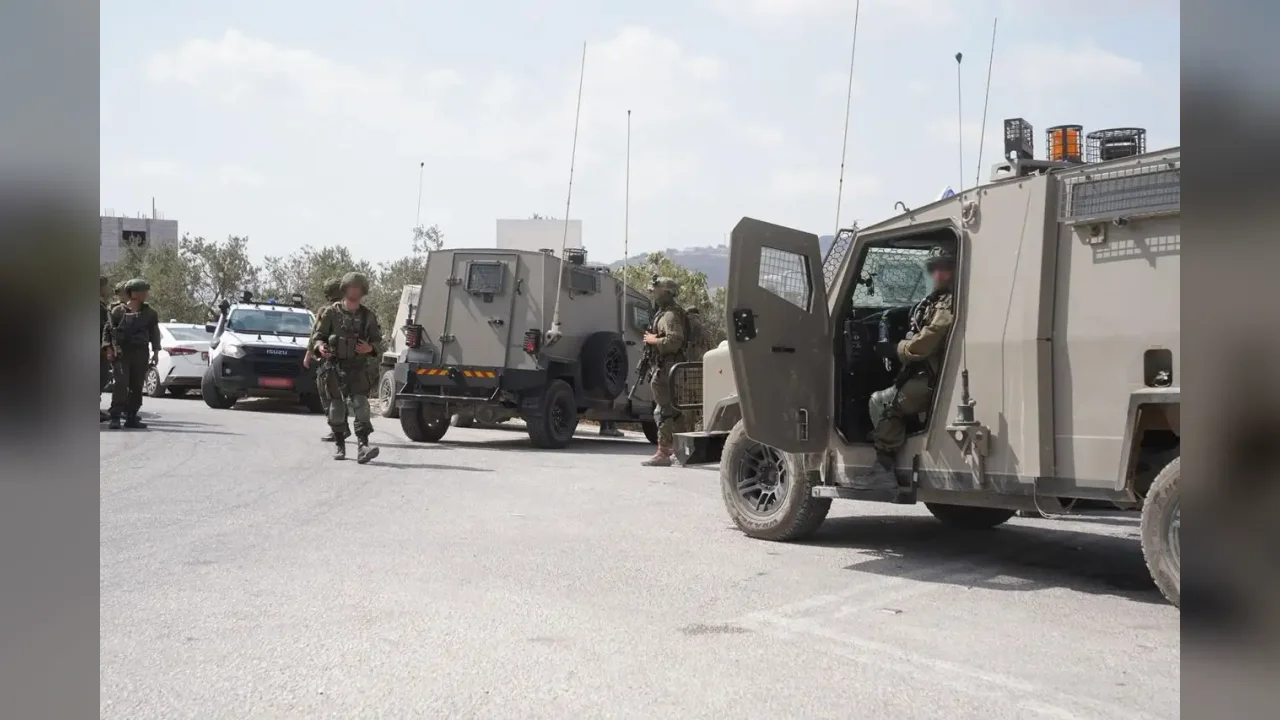
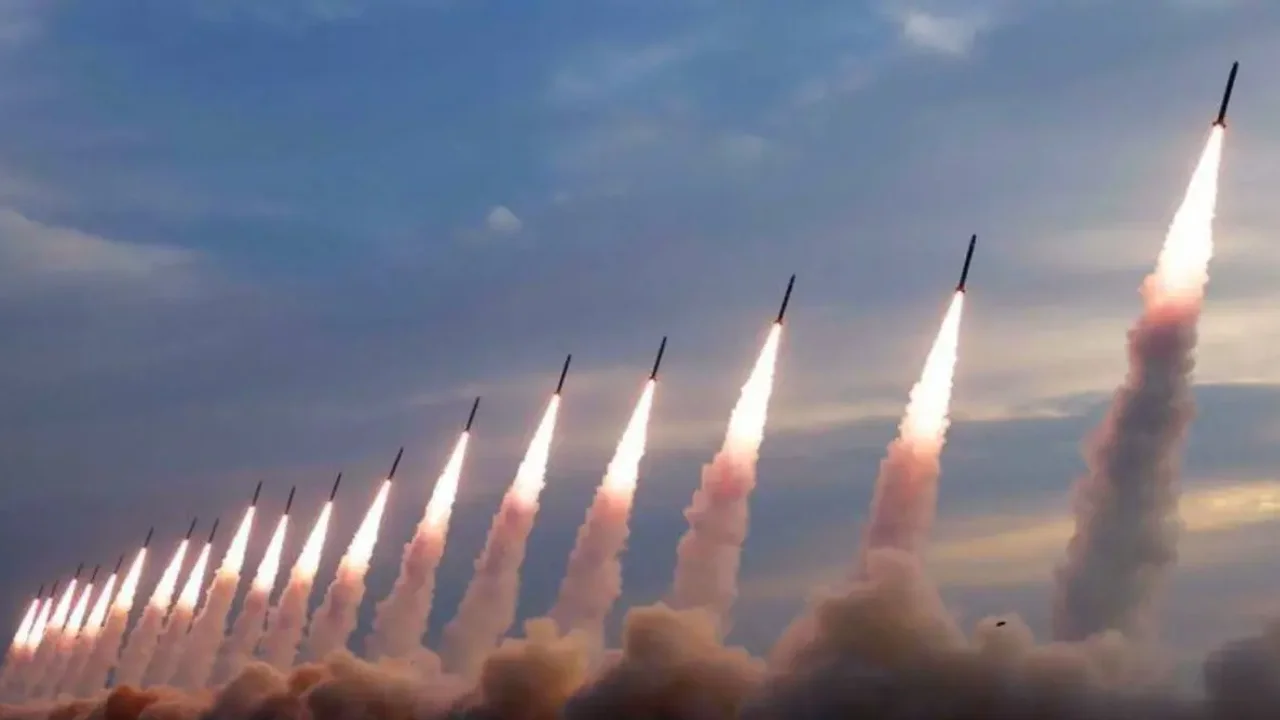
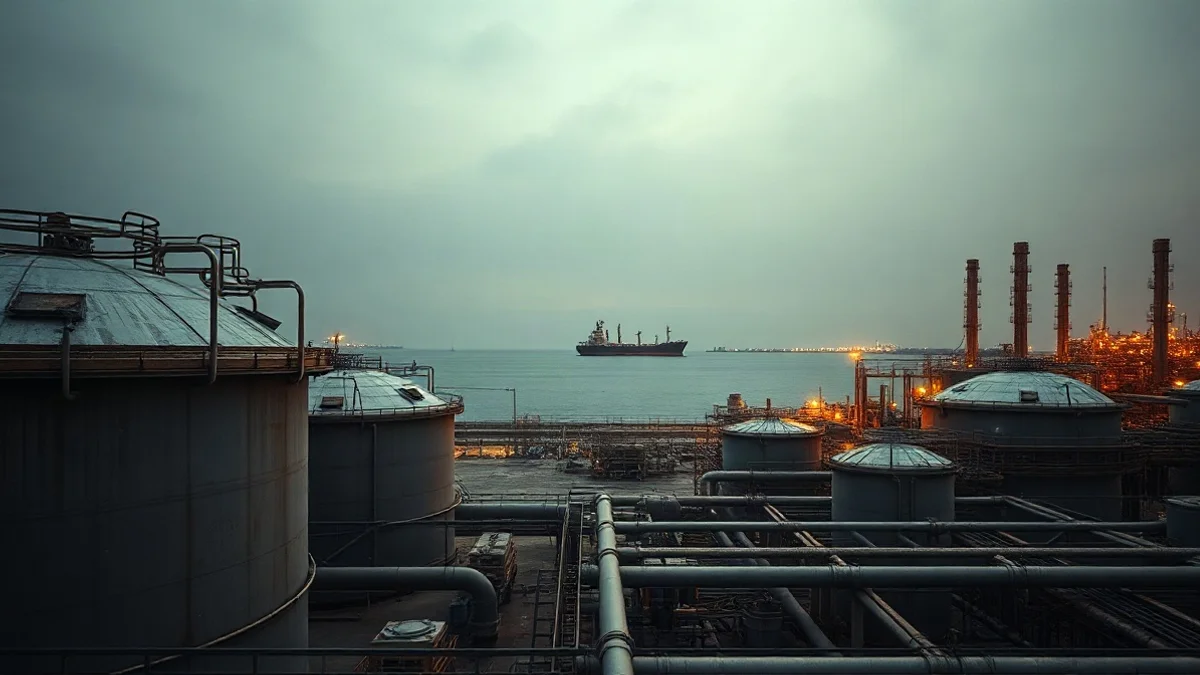
Tensions across the region remain acute. According to media reports, oil tankers have been targeted near Oman, explosions have struck sites within Iran, and the United States continues to reinforce its military footprint in the Middle East with a third carrier strike group en route. Additional reports indicate localized American strikes targeting Iranian air defense systems.
Meanwhile, congressional Democrats plan to leverage their newly secured majority to advance a resolution demanding that Trump terminate the military campaign. However, they will not assume office until January, and even thereafter, the president retains the authority to veto the measure.
Simultaneously, diplomatic efforts mediated by Qatar are ongoing. According to Reuters, Tehran has transmitted a proposal regarding its nuclear program to Washington, while stipulating that substantive discussions will commence only after the US addresses Iranian demands.
President Trump continues to project a resolute posture regarding military readiness. Speaking on Thursday, he stated that he would prefer not to destroy what remains of the country, though he may be compelled to do so, adding that American forces remain fully prepared for action.