US Dollar Hits 19-Month High on Inflation Data and Rate Hike Expectations
The US dollar reached a 19-month high against major currencies amid concerning inflation data and rising rate-hike expectations, while tech stocks slumped.
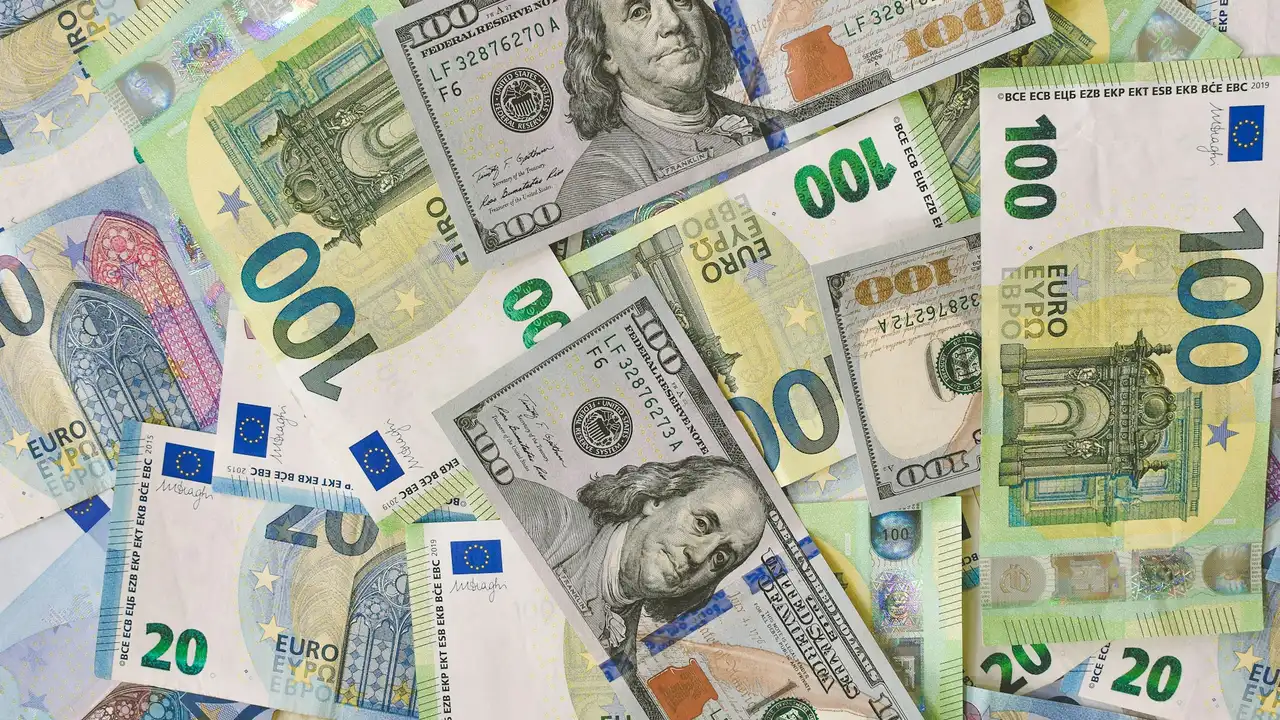
The US dollar strengthened to its highest level in 19 months against major global currencies, driven by concerning inflation data in the USA and growing market expectations that the Federal Reserve will raise interest rates in December. The currency's upward trajectory began after reports revealed that consumer prices in the USA were rising faster than anticipated by economists. The greenback extended its gains for a sixth consecutive trading session, cementing a dominant position across global foreign exchange markets.
Dollar Index Surges to Multi-Month Highs
The US Dollar Index, which measures the currency's strength against six major currencies including the euro, British pound, and Japanese yen, reached 103.66 points. This marks the highest level since April 2, 2025, when US President Donald Trump announced his tariff framework. Elevated inflation fuels anxieties that the central bank will implement a rate hike to curb rising prices, which increases borrowing costs, encourages saving, and dampens consumer and corporate spending.
Higher interest rates also make US assets more attractive to international investors seeking superior yields, thereby increasing demand for the dollar. According to data from the CME Group, market participants view an interest rate increase next month as almost certain, though only about 4% of projections point to a sharp half-point hike, down from nearly 12% the previous day.
Technology Stocks Plunge Amid AI Spending Anxieties
Alongside the currency rally, stock markets in Asia recorded sharp declines, weighed down by mounting concerns surrounding artificial intelligence investments. Major indices in Japan and South Korea retreated amid a widespread sell-off in technology shares. Investors worry that numerous corporations have channeled vast sums into establishing computing centers and infrastructure for AI without a clear timeline for returns.
These concerns were compounded by the sudden departure of Nvidia's chief executive, the outcomes of the US midterm elections, and ongoing economic policy uncertainty. Nvidia is scheduled to release its financial results later today, and investors will scrutinize the report closely to gauge whether demand for artificial intelligence technologies continues to expand.
CBA currency strategist Carol Kong noted that sustained investments in artificial intelligence and expectations of tighter monetary policy are poised to support the dollar. However, she cautioned that unpredictable government economic policies and steep drops in technology equities could potentially undermine the currency.
Broad-Efx Impacts and Upcoming Retail Data
The dollar's resurgence battered other major global currencies. The euro slipped to 1.0985 dollars, its weakest level in 19 months, while the British pound softened to 1.3172 dollars. The Japanese yen continued its depreciation, trading near 159.49 per dollar, a threshold that approaches the critical 160 level and sparks speculation of potential foreign exchange intervention by Japanese authorities.
Meanwhile, the Australian dollar dropped to 0.6725 US dollars, reaching its lowest point since January as investors trimmed exposure to riskier assets amid global economic jitters. The dollar also advanced against the Swiss franc, touching an 18-month peak.
Markets now await upcoming US retail sales data, which will provide vital clues into consumer health and spending habits amidst elevated inflation. Strong consumer activity could solidify expectations for further monetary tightening, whereas signs of cooling demand may reshape upcoming interest rate decisions and alter the greenback's trajectory.