U.S. Imposes New Defense Restrictions on Canada Amid Rising Bilateral Tensions
U.S. Defense Secretary Pete Hegseth has issued a classified memo restricting military cooperation with Canada, intensifying diplomatic and trade tensions between the long-standing allies.
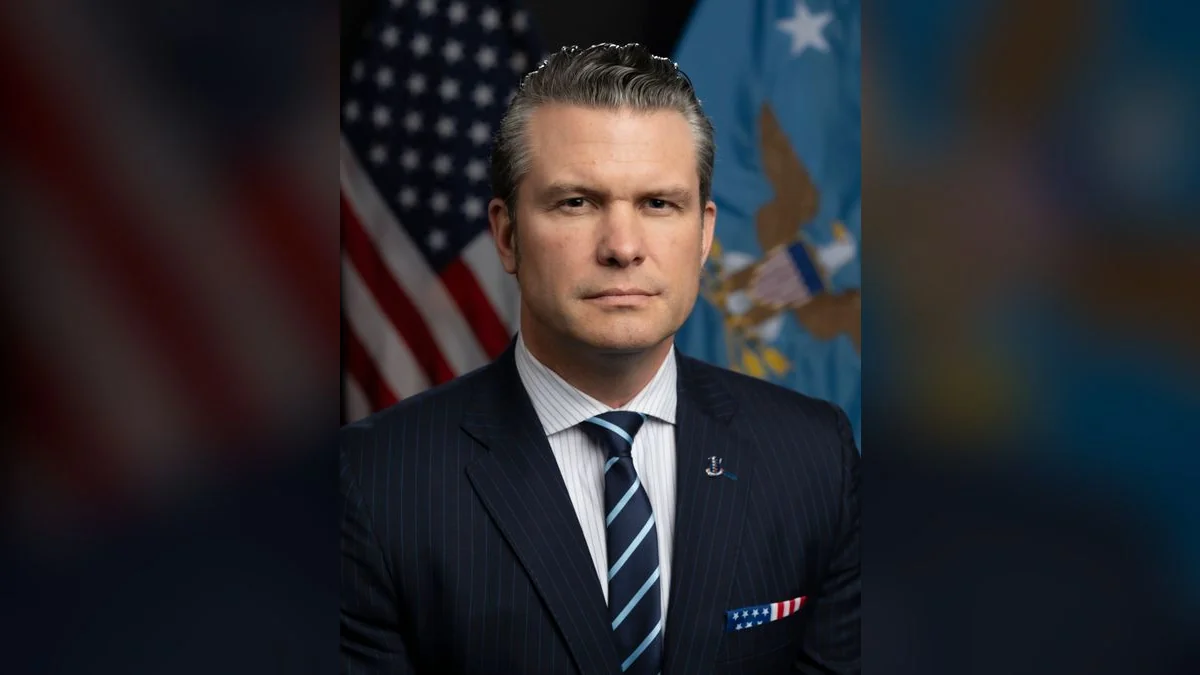
The U.S. administration has ratcheted up bilateral tensions by introducing new restrictions on defense cooperation with Canada. According to media reports citing a classified memo issued by U.S. Secretary of Defense Pete Hegseth, Washington is scaling back certain aspects of military collaboration. The decision follows months of diplomatic and economic disputes, fueled by U.S. President Donald Trump's repeated remarks suggesting Canada could become the 51st U.S. state.
Pentagon Clarification and Core Alliances
While the exact details of the classified directive remain undisclosed, Pentagon Spokesperson Sean Parnell defended the move by stating that the Department of Defense aims to ensure that ties with Ottawa directly serve American security interests. Parnell emphasized that Washington prioritizes cooperation that strengthens hemispheric defense and helps Canada meet its NATO obligations.
Despite the new limitations, the Pentagon assured that three critical pillars of bilateral defense will remain untouched: intelligence sharing, NATO operations, and the North American Aerospace Defense Command, known as NORAD. Established nearly seven decades ago, NORAD serves as a cornerstone for joint continental air defense and threat monitoring. However, an intelligence official noted that the volume of data shared across certain multilateral platforms has quietly diminished over the past year.
Ottawa Responds and Reassures
Canadian Defense Minister David McGuinty pushed back against the pessimistic outlook while attending a security conference in Halifax, Nova Scotia. McGuinty stated that he had not seen the classified memo and maintained that military cooperation continues uninterrupted, pointing to joint counter-narcotics missions in the Caribbean, missile system development, and shared aerial patrols.
"We continue to work closely together across multiple defense domains, and I do not currently identify any operational gap between our historical cooperation and our ongoing activities." McGuinty told reporters.
At the same time, McGuinty acknowledged that Canada must assume greater responsibility for its own security, particularly in the Arctic region. He added that Ottawa is actively exploring an independent domestic alternative to the Starlink satellite network to reduce its technological reliance on American infrastructure.
Trade Wars and Political Friction
The security rift unfolds against a backdrop of severe economic friction, characterized by U.S. tariffs on Canadian steel and aluminum, followed by retaliatory measures from Ottawa. The political climate has also been strained by sharp public remarks from Hegseth, who previously criticized the Canadian military and Canada's historical contributions to coalition warfare.
During a White House meeting in May 2025, Canadian Prime Minister Mark Carney forcefully rejected President Trump's territorial comments, declaring that his country is not for sale. Trump addressed the stalled negotiations on Friday, describing Carney as a pleasant individual but expressing frustration over Ottawa's refusal to accept a favorable trade agreement.
Historical Ties and Future Uncertainty
Sharing the world's longest undefended land border, the two nations have maintained deep military ties since World War II, including major joint deployments in Afghanistan where 158 Canadian service members lost their lives. The newly introduced Pentagon memorandum casts a shadow over these decades-old partnership mechanisms, highlighting a growing divergence as Canada seeks greater strategic autonomy.