Urban Data Centers Surge Into Cities to Fuel the Next Wave of AI Infrastructure
The artificial intelligence boom is driving data centers out of remote areas and into urban centers, sparking new infrastructure projects, municipal challenges, and energy demands worldwide and in Israel.
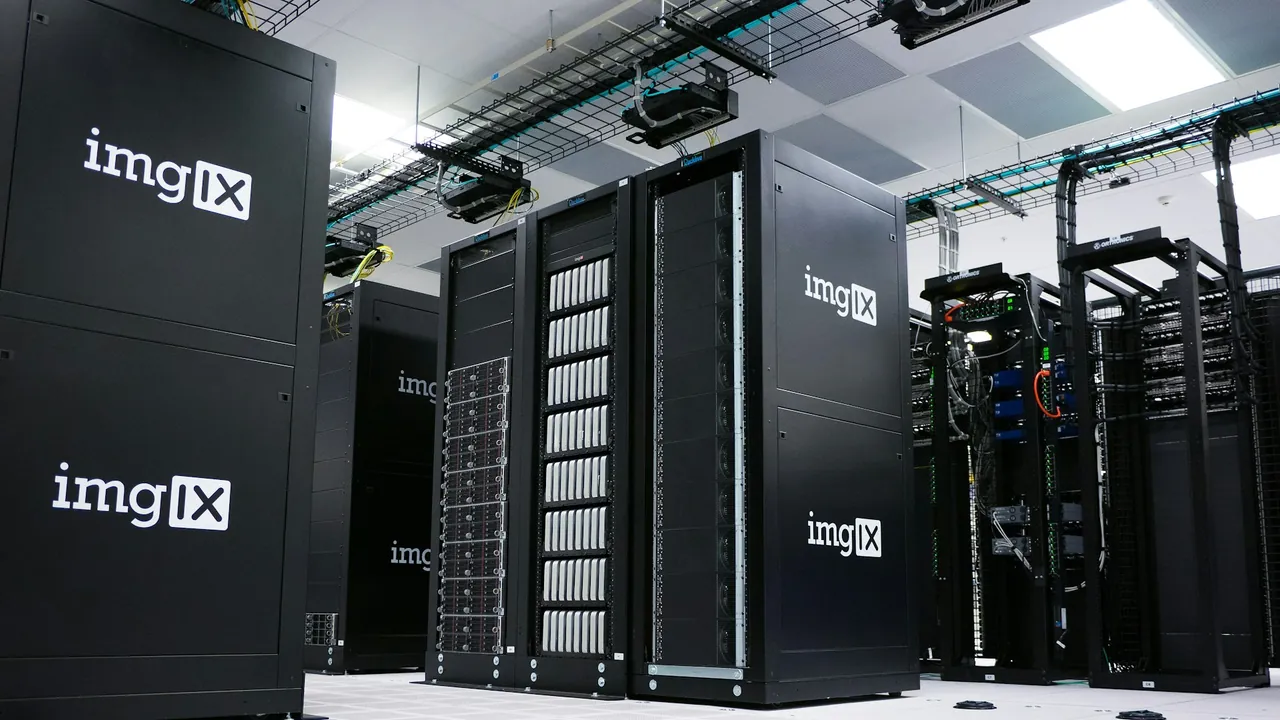
The relentless global expansion of artificial intelligence is transforming urban landscapes, forcing data centers out of remote rural outposts and directly into major cities. As generative AI models require unprecedented computing power for real-time inference, the technology industry faces severe infrastructure and land constraints, prompting a massive surge in urban data center developments.
The Urban Shift and Technological Drivers
While training large AI models demands vast compute resources without strict geographic proximity, the upcoming phase centered on active inference requires immediate response times. Placing servers closer to end-users and enterprise applications eliminates latency, making urban deployment critical. Industry forecasts indicate that global investments in urban data centers will escalate from approximately 10.9 billion US dollars in 2025 to 118.8 billion US dollars by 2034, registering an annual growth rate of about 30 percent.
In Israel, ventures such as SwitchUp's EdgeUp AI initiative in Tel Aviv are pioneering this trend by integrating dedicated infrastructure spaces and server rooms directly into commercial office buildings. Ben Braverman, managing partner at the firm, explains that embedding local computing power near engineering teams slashes simulation gaps and cuts overhead costs for growing companies. Rather than investing millions in dedicated server farms, businesses can leverage localized micro-facilities that become fully operational within a fraction of the time required for traditional mega-facilities.
Micro-Data Centers and Regulatory Challenges
Global tech giants and startups are testing innovative deployment models, ranging from commercial tower retrofits to residential integrations. In Chicago, older industrial structures and office buildings have been successfully converted into high-capacity data centers, though such projects frequently spark community friction due to continuous noise emissions from cooling systems and diesel generators. Meanwhile, experimental micro-server installations on private residential exteriors are gaining traction in the United States through collaborations involving chip giant Nvidia, startup Span, and construction firms.
Local regulators face mounting pressure to balance technological demands against grid stability and environmental safety. Ron Eifer, head of the Sustainable Energy Division at the Ministry of Energy, notes that Israel's power grid faces strict capacity limitations, capping data center electricity consumption at a maximum of 20 percent of national output over the coming decade. Furthermore, urban planners and architects emphasize that future skyscrapers must account for electromagnetic radiation shielding, transformer placement, and thermal energy recovery systems to redirect excess server heat into domestic water heating and community district networks.