District Court Cuts Software Engineer's Sentence for Unlicensed Trading Robot
The Central District Court in Lod reduced a software engineer's community service sentence from four months to two and a half months for running an unlicensed trading robot scheme.
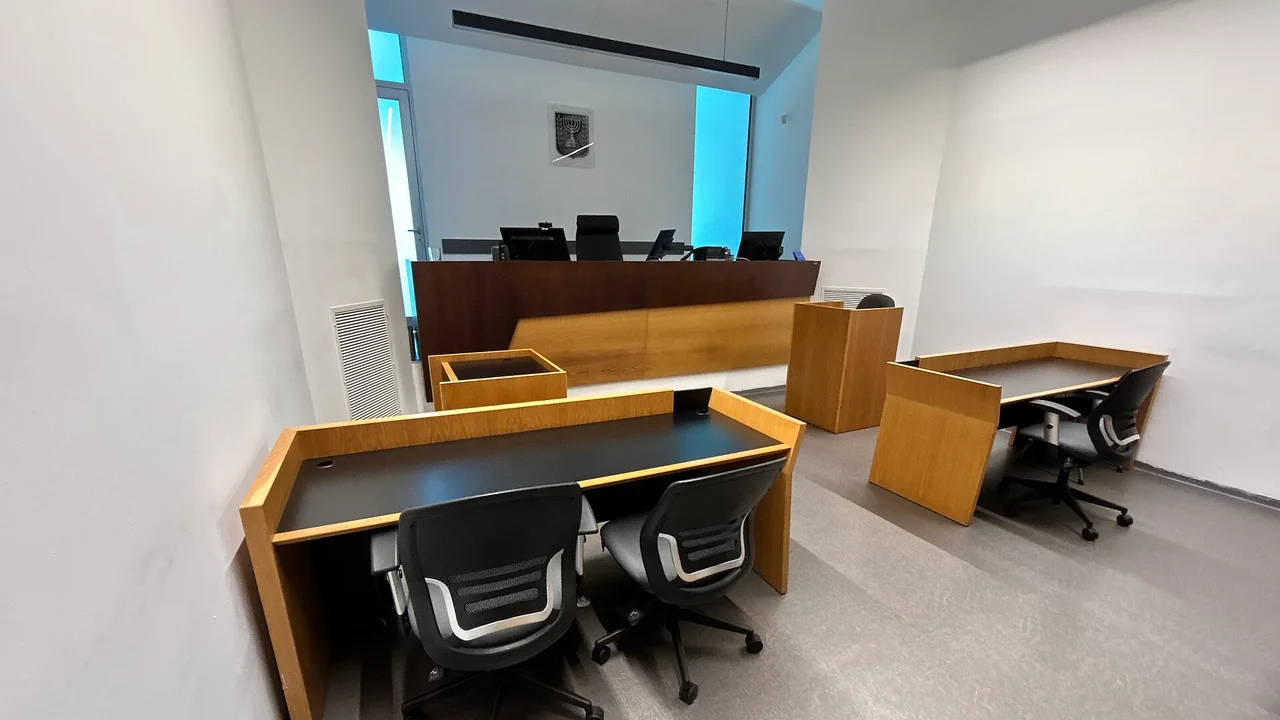
The Central District Court in Lod has reduced the community service sentence of a 45-year-old software engineer from Rishon LeZion who operated an unlicensed investment portfolio management scheme using a proprietary trading robot. The appellate ruling lowered his prison term served via community service from four months to two and a half months, while upholding his criminal conviction.
Unlicensed Trading and Marketing Campaign
According to the amended indictment, the defendant established a private company in 2016 to offer investment management services. Between 2018 and 2021, he and his firm managed trading accounts for at least 24 clients, surpassing five investors in each calendar year. Clients granted him trading authorization, and he executed transactions through a trading robot he developed. Although lacking an investment portfolio management license, he retained sole discretion over all transactions in exchange for tens of percents of the generated profits annually.
To expand his investor base, the operator marketed the service across websites, Facebook pages, WhatsApp groups, text messages, media articles, and interviews. In 2019, he retained an advertising agency to scale up marketing efforts and introduced a referral program promising profit shares to existing clients who recruited new investors.
The defendant ignored explicit warnings issued by the Israel Securities Authority as early as 2017, actively concealing his ongoing activities. He directed clients to foreign trading platforms, specifically Pepperstone and Swissquote, which are regulated in Australia and Switzerland respectively but lack licensing from the Israel Securities Authority. The indictment noted that trading on these foreign platforms involved high leverage and a significant risk of rapid losses.
Legal Proceedings and Defense Arguments
Following a plea bargain, the defendant and his company were convicted at the Magistrate's Court in Rishon LeZion on multiple counts of unlicensed portfolio management, offering unlicensed investment services, and directing clients to unauthorized trading platforms. The lower court sentenced the software engineer to four months of community service alongside financial penalties and rejected his request for a conviction cancellation.
Representing the defendant in the appeal, attorney Raz Sitbon-Sabag argued that the case involved purely regulatory offenses rather than investor fraud.
"The appellant's case contains zero elements of fraud or false representations. He was convicted of a regulatory offense," counsel told the court, emphasizing the absence of financial damage or deceptive misrepresentations.
The defense also highlighted the defendant's personal circumstances, including family and financial hardship, ongoing employment struggles, insolvency proceedings, and his efforts to retrain as a mathematics teacher.
Prosecution Position and Final Ruling
The State Prosecution strongly opposed any leniency, maintaining that unlicensed online investment operations constitute a widespread societal phenomenon requiring severe deterrence. Prosecutors emphasized that the defendant persisted for four years despite repeated regulatory warnings and took active measures to hide his activities.
In its ruling, the three-judge panel comprising Shmuel Bornstein, Dror Arad-Ayalon, and Amit Michels affirmed that the lower court correctly refused to cancel the conviction or dismiss the community service requirement. However, the appellate court ruled that leniency was warranted given the defendant's unique personal circumstances, the relatively limited scope of the offenses, and the lack of actual financial harm to clients.
The modified sentence requires the defendant to complete two and a half months of community service starting December 13, 2026, with failure to comply risking incarceration behind bars.