Moments before the elections: Netanyahu demands to open the budget to transfer additional funds to the IDF
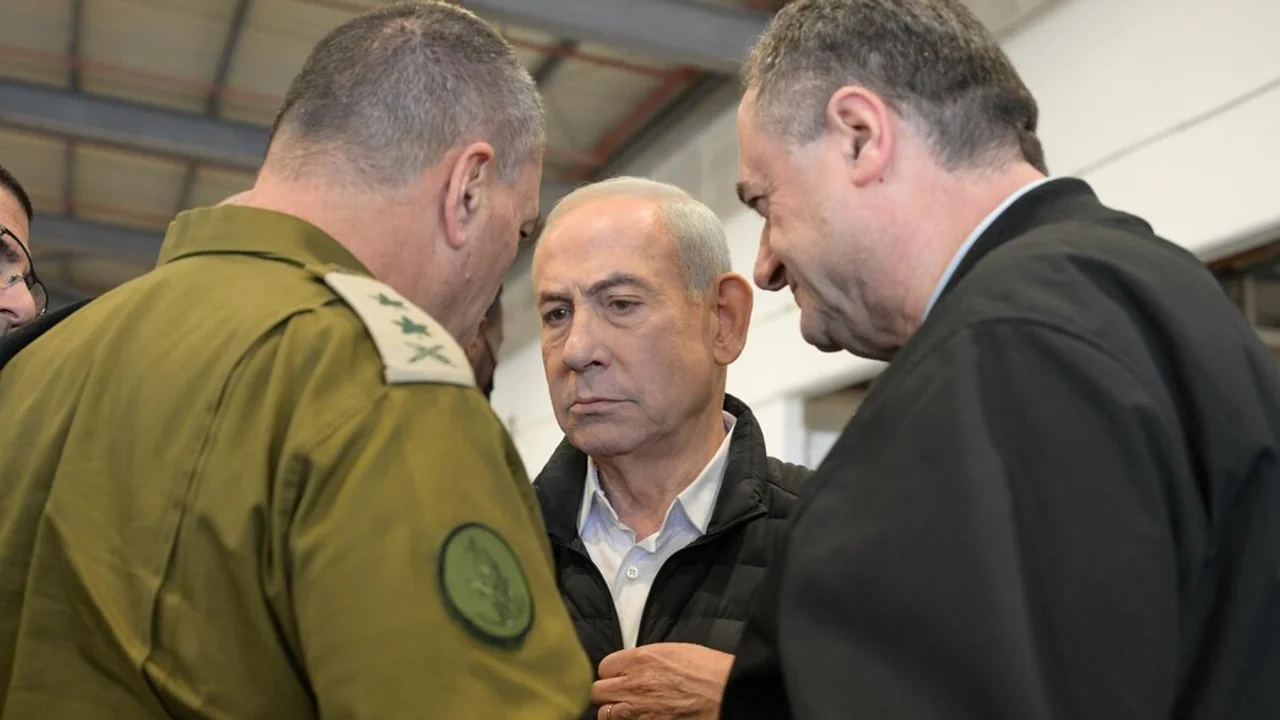
Prime Minister Benjamin Netanyahu has ordered the opening of the 2026 state budget to lock in security spending for the next 13 years. The Ministry of Finance describes the move as unprecedented and politically motivated.
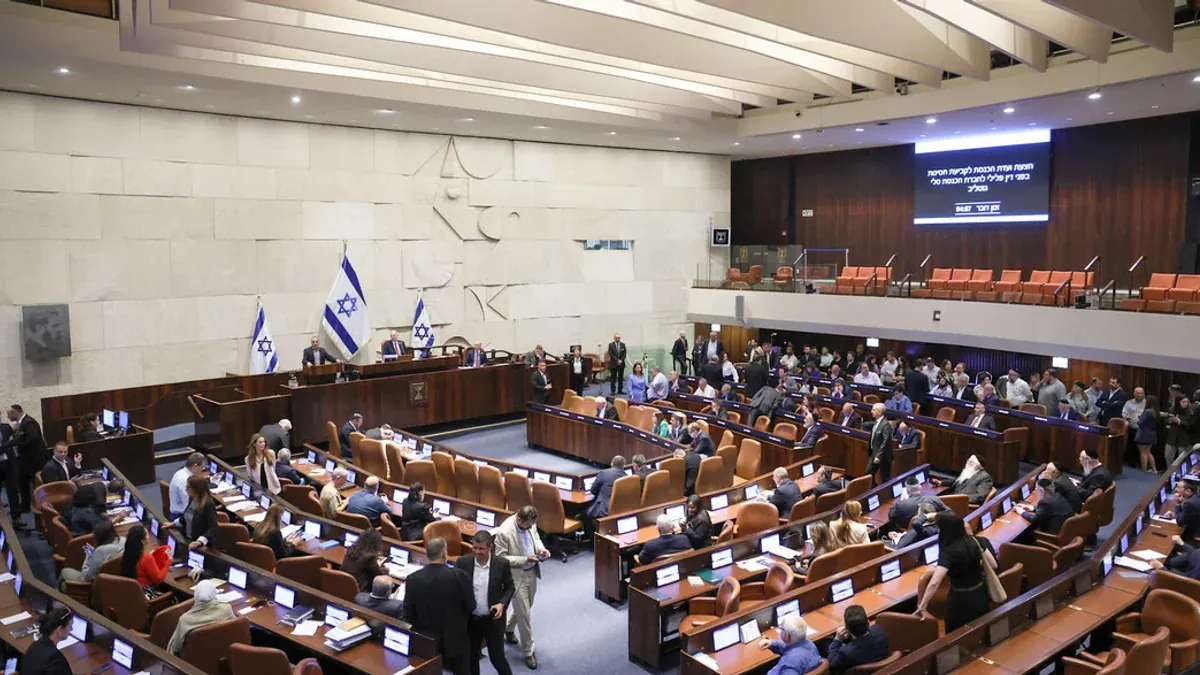
Prime Minister Benjamin Netanyahu instructed last Thursday to "open" the state budget for 2026 and anchor the security system's budgets for more than a decade ahead: the next 13 years. The practical meaning is that it will be necessary to legislate a new state budget for 2026, when the budget for August is already in execution, elections will take place in 81 days, and the Knesset is in recess.
In the Ministry of Finance, there is no one who knows how to calculate the budgetary implications — neither for the deficit nor for the debt — since the final number that the security system demands "changes every minute," according to a senior official in the Ministry of Finance. In the Ministry of Finance, they define the move as an "unprecedented event" — not only because of the amount, but because of the range of the commitment, the proximity to the elections, and the fact that the Knesset has gone into recess. Also, the IDF has received an immediate response to every urgent request, and there is no real urgency for the next 13 years.
The ones pushing for the move are the security system and the Prime Minister, with the claim being urgency. In the Ministry of Finance, they argue that the urgency does not stand the test: every urgent request has received a response throughout the war, and it is impossible to claim urgency for 13 years ahead. In the Ministry of Finance, they see things differently — in their opinion, it is a matter of exploiting the window of opportunity of the election period to fix a commitment before another government can touch it.
Budgetary chaos and lack of planning
Among the parties that are supposed to implement the decision, there is no certainty whether it is a binding instruction or a position that the Prime Minister is inclined towards. What seems like a technical detail, apparently, explains a significant part of the move: a decision on the scale of hundreds of billions of shekels is rolling without staff work, without multi-year planning, without checking the implications, and without pricing. Therefore, in the Ministry of Finance, they define the event as "unprecedented" and as "much beyond crossing a red line - this is crossing a black line."
In the Ministry of Finance, they emphasize that countless alternatives were offered to the Prime Minister to finance the addition in 2026 through efficiency, cuts, and internal changes, but he rejected them all outright. When money is received easily, there is also no incentive to be efficient. Since the approval of the budget for 2026, the security system's demands have risen several times.
"At first they asked for another 2 billion shekels. When a response was given, it rose to 3. Then 8. Then 12. Then 20. Every solution offered by Finance Minister Bezalel Smotrich and Prime Minister Benjamin Netanyahu created a higher demand. There is no end to this thing," they say in the Ministry of Finance. According to them, any response given becomes the new floor from which the next demand starts.
Scale of expenditure
On the eve of the war, the security budget stood at 62 billion shekels. On the night of the approval of the 2026 budget, in December, it was set at 112 billion shekels. Since then, it has risen in two stages — first to 143 billion shekels, and recently another 15 billion shekels were added to it — so that it currently stands at 158 billion shekels. An addition of 46 billion shekels within eight months, without opening the budget.
At the same time, and outside of this count, the security system received another 25 billion shekels for which "solutions were found in various ways." If it is new money, the effective scope of the security budget in 2026 is approaching 183 billion shekels — three times its level on the eve of the war, in nominal terms. The multi-year plan of the IDF that the Ministries of Finance and Defense have already agreed upon, totaling 350 billion shekels, is now being demanded by the Prime Minister to increase to 400 billion shekels.