Israel Prepares for 26th Knesset Elections with Expanded Polling Network
Israel prepares for the 26th Knesset elections with over 7.3 million eligible voters, expanding accessible polling stations and special voting arrangements nationwide.
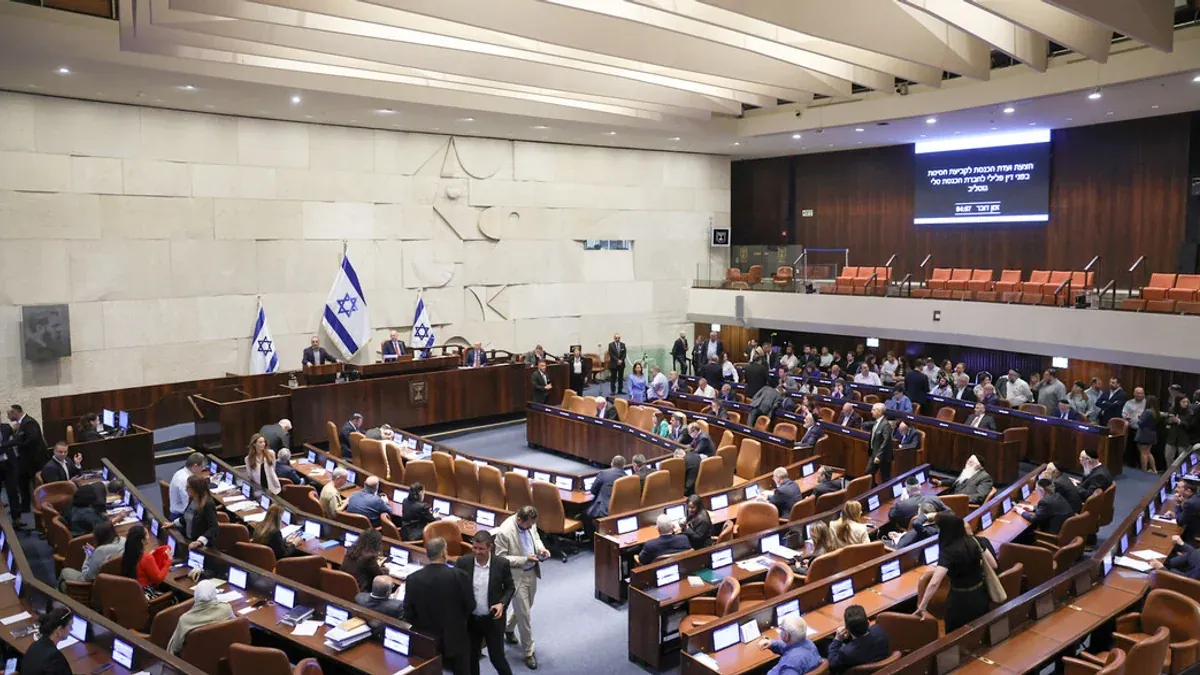
As Israel prepares for the upcoming 26th Knesset elections, the Central Elections Committee is making final preparations for 7,331,981 eligible voters, including 543,177 new voters added since the previous election cycle. Across the country, 12,018 regular polling stations will be set up, alongside dedicated ballot boxes in hospitals, prisons, and Israeli diplomatic missions abroad.
Simultaneously, the accessibility infrastructure has been significantly expanded to allow voters with mobility challenges to exercise their democratic right. More than half of the regular polling stations will be fully accessible, and the number of specialized accessible polling stations has increased by over 20% compared to the previous election.
Polling Hours and Identification Requirements
Most polling stations across the country will open at 07:00 in the morning and close at 22:00 at night. In small localities with up to 350 eligible voters, as well as in hospitals, prisons, and nursing homes, voting will take place between 08:00 and 20:00. To cast a ballot, voters must present an official identification document, such as an identity card, a valid driver's license, a valid passport, or a personal military ID.
It is not necessary to bring the voter information slip sent by mail, as it is only intended to help locate the correct polling station and serial number, and does not serve as a valid form of identification. After identifying oneself to the polling station secretary, the voter receives an envelope, enters the voting booth, selects a single ballot slip, places it inside the envelope, and drops it into the ballot box in full view of the committee members.
Expanded Accessibility for Voters
One of the key changes in the upcoming election is the expansion of the accessible polling network. Out of 12,018 regular polling stations, 6,208 have been designated as accessible, accounting for roughly 52% of the total. Among these, 3,620 will be specialized accessible polling stations.
"The expansion of accessible polling stations is a crucial step in ensuring that every citizen, regardless of physical limitations, can fully participate in the democratic process without barriers," representatives of the committee noted.
For voters with hidden disabilities or those lacking official documentation regarding their mobility limitations, a formal declaration before the polling committee secretary is required. Election officials emphasize that false declarations constitute a criminal offense.
Special Voting Arrangements
Hospitals and medical centers will host 250 polling stations to allow hospitalized patients to vote. Furthermore, 55 polling stations will be established in prisons and detention centers for inmates, detainees, and staff members. Israeli soldiers will be able to cast their votes at military bases or at their designated civilian polling stations.