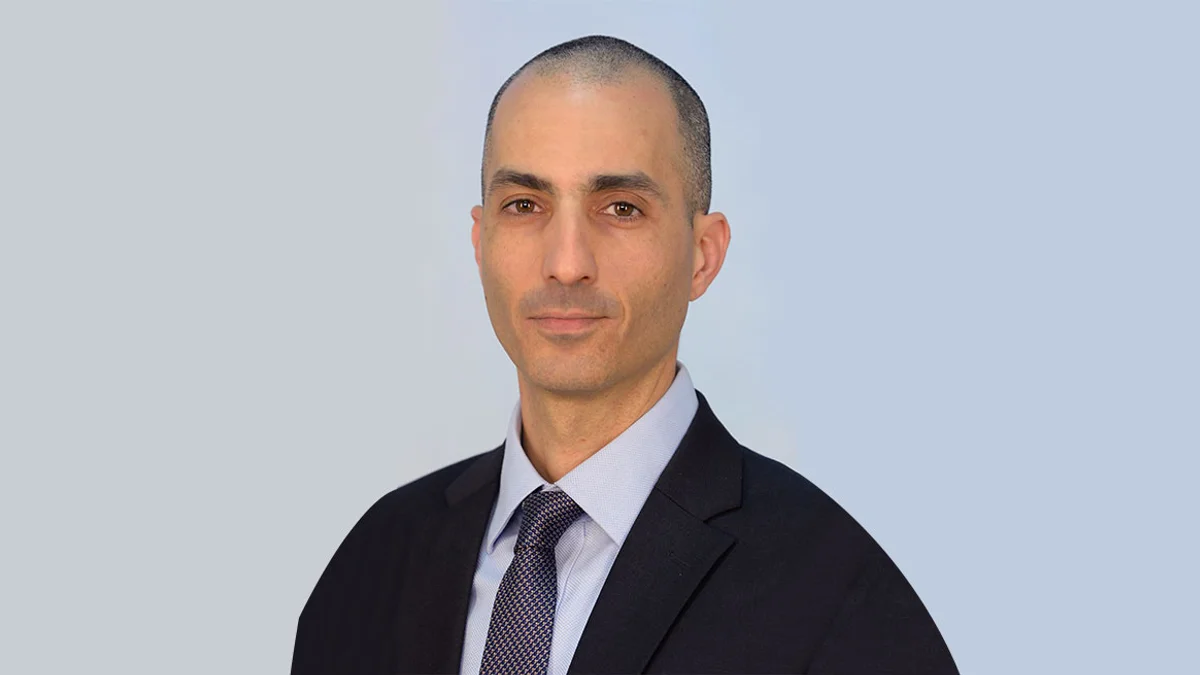
Senior investor warns high-tech entrepreneurs: Do not incorporate in Israel
Senior venture capital investor Oren Zeev criticizes the trend of incorporating startups in Israel, warning that choosing the US (Delaware) over Israel can save founders millions in taxes and avoid critical regulatory risks.
Senior venture capital investor Oren Zeev is launching a sharp attack against the phenomenon of startup incorporation in Israel, warning that a decision by entrepreneurs to register as an Israeli company rather than an American one (in Delaware) could cost them millions of dollars in personal taxes — and in some cases even jeopardize the very existence of the company.
Zeev is considered one of the most prominent Israeli venture capital investors in Silicon Valley. He was one of the founders of Apax's operations in Israel, and later founded Zeev Ventures, through which he invested in a series of Israeli and American technology companies. Over the years, he was among the early investors in companies such as Houzz, Tipalti, Hippo, Next Insurance, and TripActions, and was also involved in investments in Chegg and Audible, which was sold to Amazon.
In a post he published on LinkedIn, Zeev wrote that although he does not usually publish posts with "advice for entrepreneurs," he decided to deviate from his custom after being exposed to too many cases of founders who made the decision and regretted it almost immediately. "The bottom line is that I have never met a founder who regretted incorporating in the US, and I often meet founders who regret incorporating in Israel," he wrote. According to him, the consequences could reach "millions of dollars in personal tax for each founder," and in rare cases be even more severe.
Zeev explicitly criticizes local legal advisors and accountants who recommend that entrepreneurs incorporate in Israel, and notes that the advantages of this step are quite negligible. "The cynic in me thinks that those same accountants and lawyers might benefit from Israeli incorporation because their services will be required for a longer time," he wrote.
Key arguments for American incorporation
Zeev presents two main arguments for preferring American incorporation:
-
The QSBS tax benefit: This massive tax benefit grants an exemption from capital gains tax to shareholders in American companies. The exemption is officially limited to a ceiling of 15 million dollars, but through proper tax planning, the ceiling can be increased significantly. Zeev explains that this benefit is available only to companies that incorporated in the US from the start. Since in almost every Israeli startup one of the founders eventually relocates, becomes a US taxpayer, or raises capital from funds and employees in the US, "the decision to incorporate in Israel robs the founders, the investors, and in some cases even early employees who choose to exercise their options early, of this benefit — for no good reason," wrote Zeev.
-
Commercial and regulatory advantages: The second argument concerns the commercial and regulatory advantage of an American company in sales to government entities in the US. According to Zeev, "I recently saw a company that could very well go out of business due to complications that could have been avoided if it had been incorporated in the US." He added that this issue is probably relevant to less than 5% of companies, "but the consequences could be more severe." Beyond that, incorporation in the state of Delaware simplifies corporate governance and ongoing legal proceedings.
In response to the concern that incorporation in the US harms state revenues, Zeev emphasizes that the Israel Tax Authority continues to earn billions from exit taxes and ongoing activity, as happened for example in giant deals like Wiz. This is also the reason why Israel allows for a "flip" move at early stages. However, Zeev warns that this move does not solve the QSBS problem for the founders, because the American tax benefit is valid only for those who received their shares at the time of the original creation of an American company.
Zeev signed off the post with a disclosure that he himself has an economic interest in preferring American incorporation: "I personally profit when I invest in an American company compared to an Israeli company, so I have an economic incentive to give this advice."