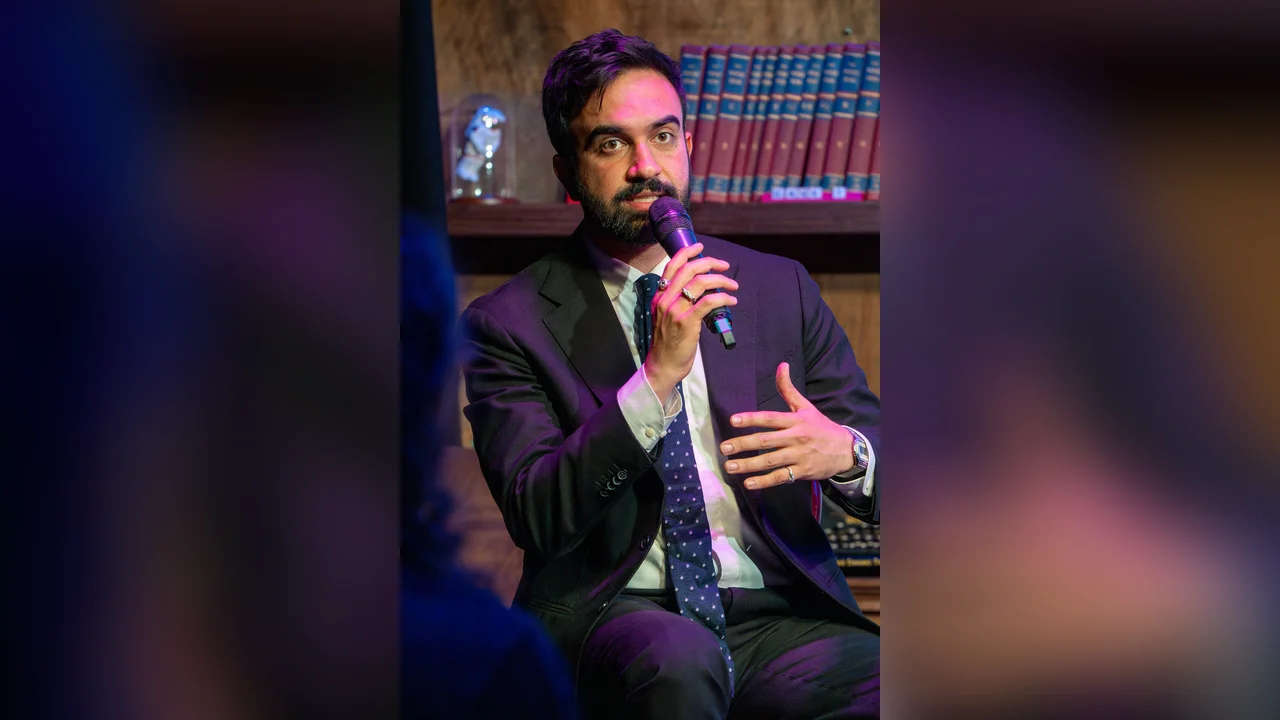
UK and EU Announce Post-Brexit Reset Pact Featuring Youth Mobility Visas
British Prime Minister Andy Burnham announced a post-Brexit reset with the European Union, including a youth mobility visa scheme for 100,000 young people and Erasmus Plus re-entry, sparking domestic political debate.
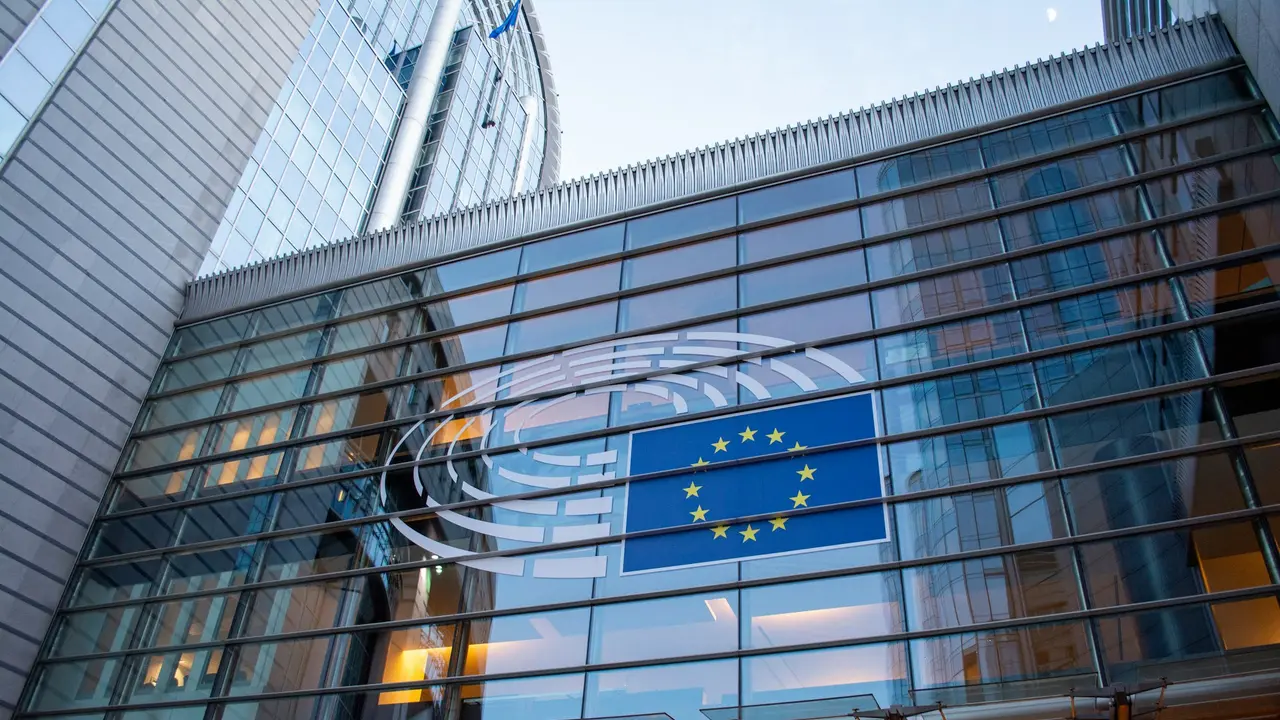
Prime Minister Andy Burnham announced a major reset of post-Brexit relations with the European Union during a press conference in Brussels. Under the new agreement, the United Kingdom will issue up to 100,000 visas for young people from the European Union following understandings reached on youth mobility programs, the European carbon market, and animal and plant standards. Despite the signing, the pact faces immediate friction, as several EU member states threatened to delay its implementation unless a compromise is reached on tuition fees, an area where Burnham failed to secure a deal.
Downing Street insisted that both sides agreed the youth mobility scheme, food and drink pact, and emissions trading agreement would proceed into force. At the same time, the United Kingdom is set to become a rule-taker across numerous food and drink regulations, remaining subject to Brussels trade protectionist rules, while energy agreements spark household bill concerns.
Youth Mobility and Erasmus Plus Return
Lauding the youth mobility pact as a victory for British youth, Burnham stated that Generation Z and Millennials were the biggest losers from the changes a decade ago. European Commission President Ursula von der Leyen thanked Burnham for his ambition and personal commitment to the partnership, confirming that the United Kingdom will rejoin the Erasmus Plus program starting next year.
"We have concluded negotiations on a youth experience scheme. It will allow 100,000 young people from each side to spend up to three years in the other's countries to work, study, volunteer or simply travel," von der Leyen said.
European Council President Antonio Costa praised the United Kingdom as a close neighbor and reliable ally, reiterating that the bloc will not compromise on the four freedoms of the single market, including freedom of movement.
Domestic Political Backlash
Domestically, the agreement provoked sharp criticism. Reform UK leader Nigel Farage branded the move a betrayal of voters who supported the exit from the bloc, while Conservative Party representatives warned that aligning British regulations with European laws hands back powers to Brussels and undermines regulatory independence. Cautious voices also emerged within the Labour Party over fears of rising political opposition in local constituencies. Despite domestic pushback, the summit marks a definitive shift in London-Brussels relations without committing the United Kingdom to rejoin the European Union.