Uber Introduces New Recorded Rides Feature for Enhanced Passenger Safety
Uber Technologies is rolling out a new Recorded Rides feature in select US cities, allowing passengers to request encrypted in-car video and audio recording at no extra cost.
Uber Technologies is rolling out a new tool designed to enhance passenger peace of mind during travel. The company has introduced a feature called Recorded Rides, which allows passengers to request video and audio recording for their trips at no additional cost.
How the New Feature Operates
The option appears during the ride booking process alongside standard choices such as UberX and UberXL. Initially, the feature is available in Baltimore, Indianapolis, St. Louis, and Raleigh, North Carolina. When a passenger selects a recorded ride, the system automatically matches them with a driver already participating in the company's Record My Ride program. According to corporate data, more than half of active drivers in the USA already choose to enable this option.
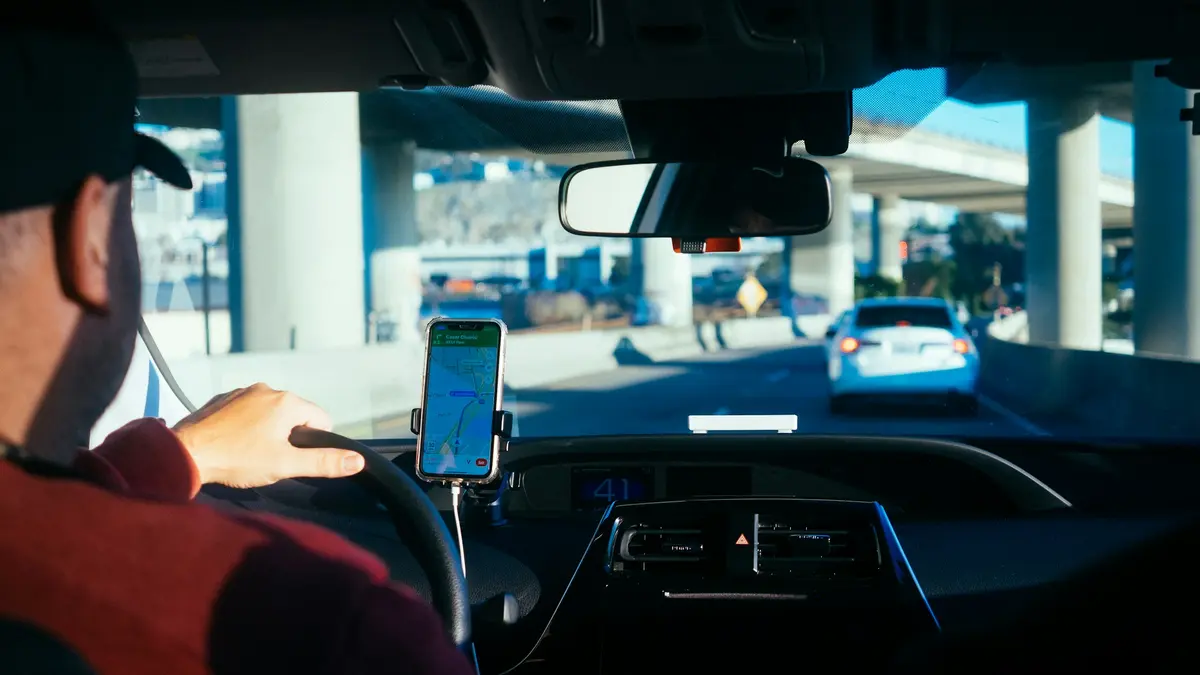
Recording is handled via the front-facing camera on the driver's smartphone, capturing both video and audio inside the cabin. To protect privacy, Uber Technologies emphasizes that recordings are stored encrypted on the driver's device only and are automatically deleted after a specified timeframe. The company clarifies that it can view the footage solely if it is uploaded as part of a safety report or insurance claim, and notes that drivers may independently install separate dashcams during regular trips.
Expanding Safety Measures and Future Plans
This rollout follows a series of safety initiatives implemented in the wake of investigations and legal claims, with further developments on the horizon. Soon, Uber Technologies will proactively initiate recording on driver devices for sensitive trips, such as late-night journeys or those involving teenagers. Additionally, the company is evaluating automatic recording triggers in the event of unusual route deviations or crash detection, alongside optional night-time audio recording on the passenger's phone subject to user consent. Although the service is currently deployed in only four US cities, the clear trajectory is transforming in-cabin recording from a tool reserved for drivers into a readily accessible choice for passengers.