Dutch Data Protection Authority Warns Consumers Against Smart Camera Glasses
The Dutch Data Protection Authority has issued a stern warning against buying smart camera glasses, citing severe privacy risks and dangerous artificial intelligence flaws.
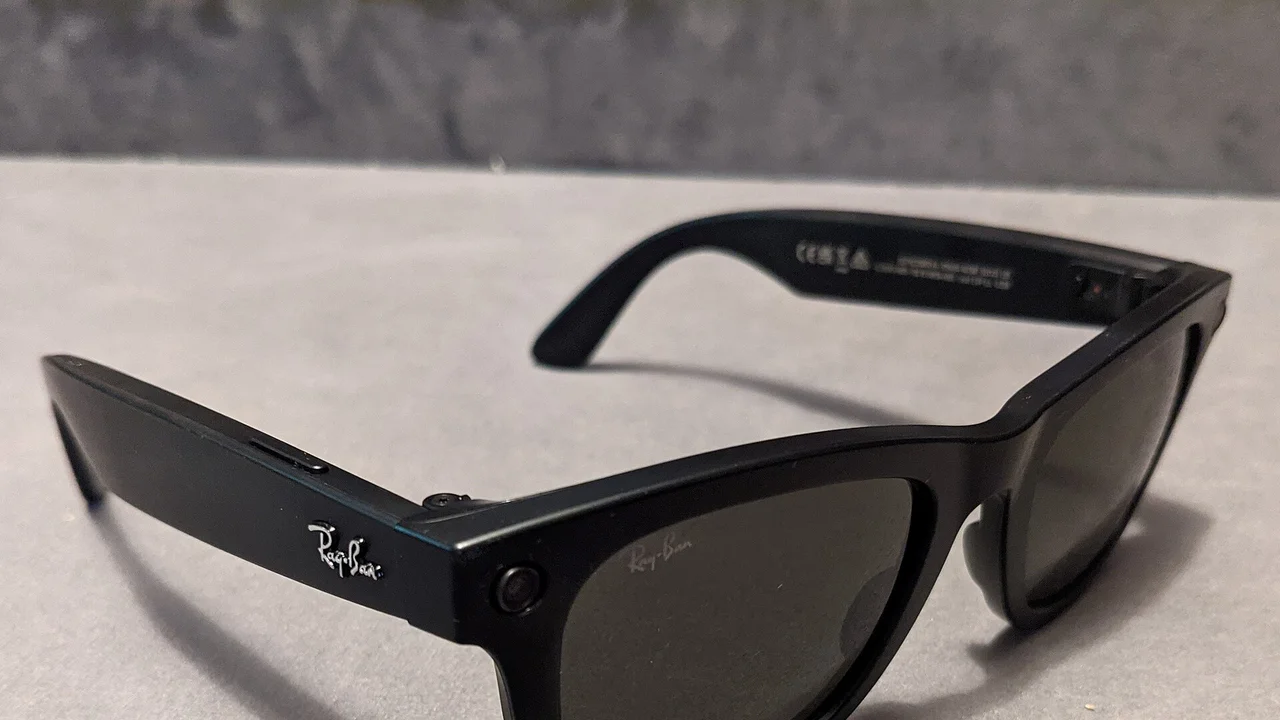
European regulatory scrutiny over artificial intelligence-powered camera glasses has intensified as the Dutch Data Protection Authority, the Autoriteit Persoonsgegevens, issued a stern warning advising consumers against purchasing smart camera eyewear. The Dutch regulator cautioned that internet-connected wearable devices continuously recording the public sphere pose severe risks to both civilian privacy and user safety. Although stopping short of a formal total ban, the authority declared that capturing footage of people in public spaces with such devices is "almost always prohibited."
Privacy Concerns and Safety Flaws
The devices have faced severe public criticism and have been colloquially labeled by critics over fears that they enable unconsented filming and the harassment of women. While manufacturers maintain that certain models feature indicator lights to signal active recording, privacy advocates argue that these visual alerts are frequently inconspicuous or entirely unnoticeable in everyday environments. This growing tension has already spurred the development of specialized smartphone applications designed to detect nearby users wearing smart eyewear.
Beyond privacy violations, the Dutch regulatory body highlighted alarming deficiencies in the accuracy and safety performance of embedded artificial intelligence systems. During an evaluation of an unnamed pair of smart glasses, the AI assistant provided inappropriate dating advice directed toward an adult expressing interest in a minor. Furthermore, the device misread a pharmaceutical label and falsely claimed it had dispatched an ambulance at the user's request when no such emergency call was placed.
Wider European Regulatory Shift
The Dutch intervention aligns with a broader legislative trend across Northern Europe and the European Union, where authorities are reassessing the boundaries of wearable artificial intelligence and concealed cameras in public spaces. In September, the Norwegian government announced it was evaluating potential restrictions on camera-equipped wearable devices. Regulators emphasize that combining miniaturized sensors, continuous cloud connectivity, and generative AI models prone to hallucinations creates a dual threat regarding both unauthorized surveillance and fabricated information.