Turkish Analyst: Israel and USA Control Iranian Airspace at Will
Turkish security analyst Abdullah Ağar stated that Israel and the USA maintain total airspace dominance over Iran, forcing Tehran to escalate grey-zone warfare and cyber attacks.
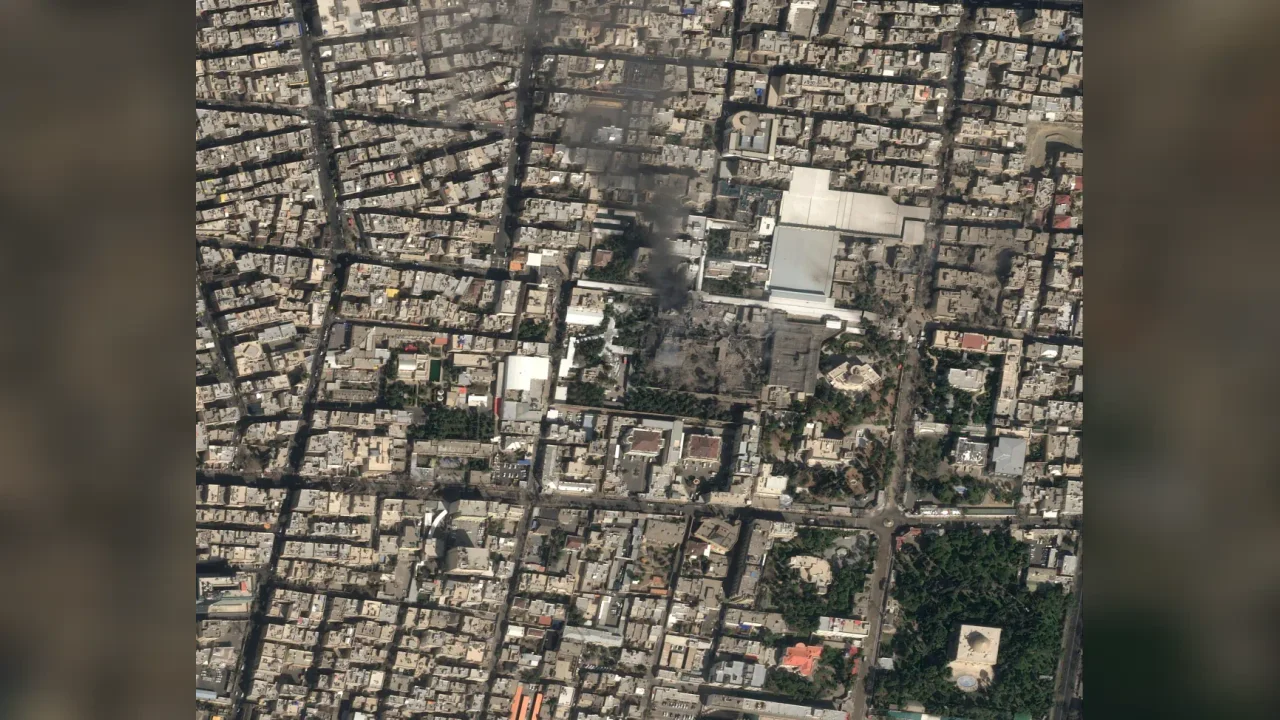
Iran is rapidly losing its strategic superiority and control over its national airspace, while attempting to expand the ongoing conflict into new fronts through grey-zone warfare. This assessment was delivered by Turkish security analyst Abdullah Ağar during a broadcast on the Turkish television network TGRT Haber and in a related social media analysis.
According to the analysis, strategic initiative in the regional campaign currently rests firmly with Israel and the USA. "Today in Iran's airspace, American and Israeli aircraft enter and leave whenever they want," Ağar stated, noting that Tehran's maneuverability continues to shrink under escalating sanctions, a tightening blockade, and deep covert operations.
Strategic Pressure and Grey-Zone Tactics
Tehran is heavily preoccupied with the activities of armed Kurdish opposition groups and has launched more than 1,200 ballistic missile and UAV strikes against their targets in northern Iraq. Amid reports that the blockade is expanding to the financial arena, Ağar emphasized that Washington and Jerusalem pursue unwavering objectives: dismantling Iran's nuclear, missile, and proxy capabilities while striving to achieve regime change.
In response to mounting pressure, Ağar asserted that Tehran is executing its threat to push the conflict beyond controlled chaos into an expansive grey-zone war spanning cyberspace, economic warfare, and public perception. He pointed to revelations by France attributing cyberattacks on the cooling systems of 700 local businesses to an Iranian cyber unit known as Shahid Kaveh, which caused 15 fires. European banks and hospitals have similarly faced cyber offensives as part of this broader campaign.
Human Toll of the Conflict in Ukraine
Addressing a separate global conflict, Ağar detailed the heavy human cost of the war between Russia and Ukraine, characterizing it as a war of attrition exhausting human resources. Citing Western data that he urged to be examined with caution, he estimated total casualties including fatalities, injuries, and missing persons at approximately 1.6 million on the Russian side and between 450,000 and 500,000 on the Ukrainian side.
Ağar underscored that Moscow relies heavily on ethnic minorities and marginalized populations to sustain its frontline forces. He noted that Buryats comprise 0.34 percent of Russia's total population yet account for 2.3 percent of battlefield fatalities, a proportion nearly eight times their demographic share. In addition to minority recruitment, Moscow has deployed convicts, 15,000 combatants from North Korea, and foreign mercenaries, whereas Ukraine utilizes Crimean Tatars, foreign volunteers, and anti-Kremlin Russian military units.