Turkish Admiral Warns Ankara Against False Hopes in Washington Defense Ties
Retired Turkish Admiral Cihat Yayci warns that Ankara harbors unrealistic expectations for US-Turkish defense ties, citing congressional hurdles, CAATSA sanctions, and F-35 blocks following the US midterms.
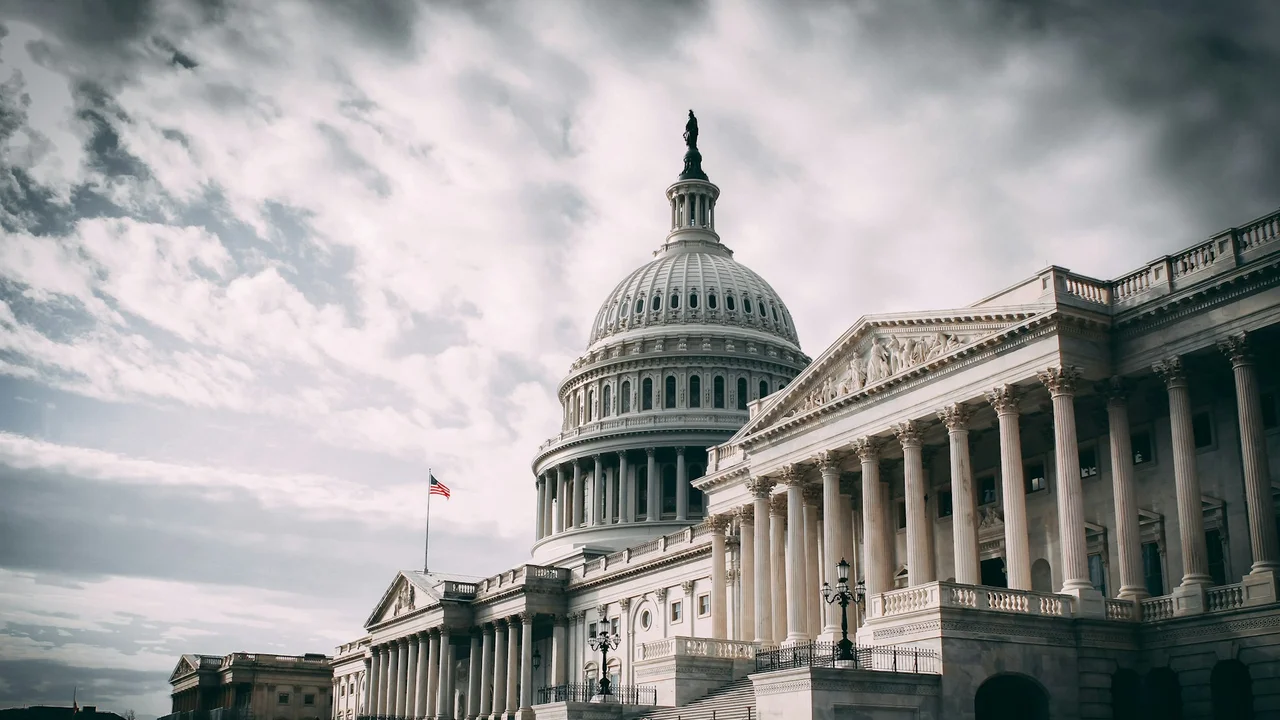
Retired Turkish Admiral Cihat Yayci has issued a sharp warning regarding bilateral defense and security ties between Ankara and Washington, arguing that unrealistic expectations persist in Turkey following the recent midterm elections in the USA.
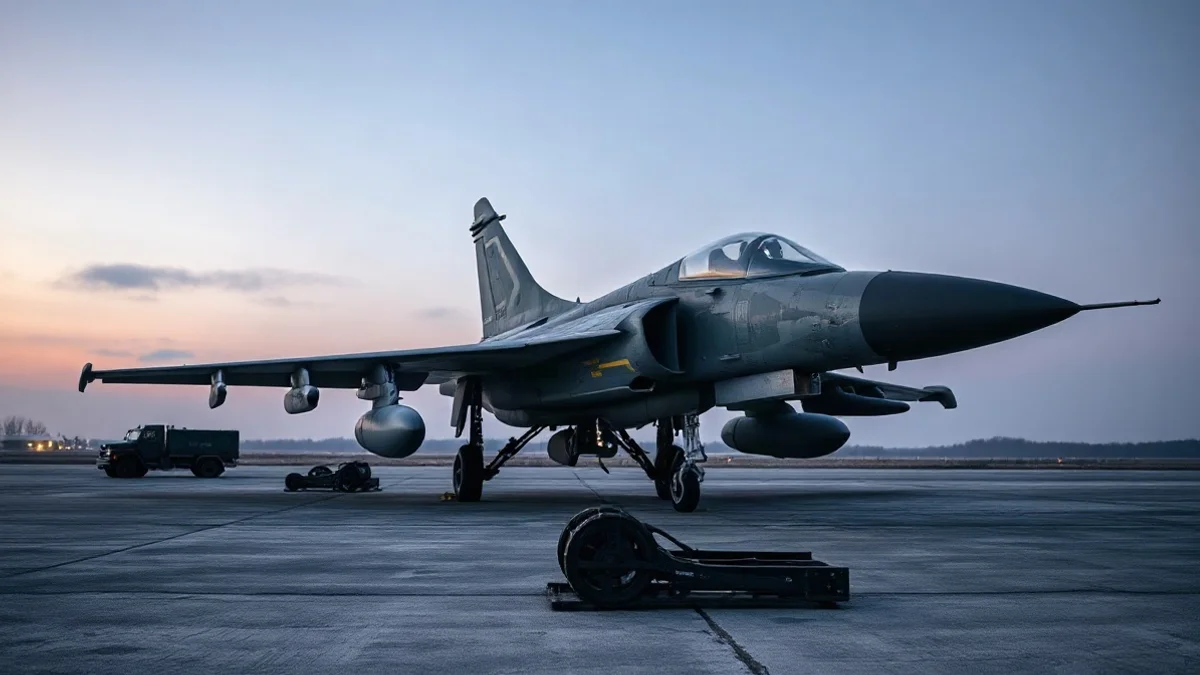
Speaking to local media, Yayci stressed that security relations are anchored around three major issues: CAATSA sanctions, the F-35 fighter jet program, and aircraft engine supplies. He noted that CAATSA sanctions were enacted during the first presidential term of Donald Trump, and warned that despite presidential intentions, congressional oversight directly impacts any removal process.
Strategic Hurdles and Lobbying Deficits
Pointing out contradictions in US foreign policy, Yayci questioned why Washington maintains sanctions against Turkey—a NATO ally—while lifting similar restrictions on Syria. Furthermore, he noted that although Turkey paid as a program partner for F-35 aircraft, political obstacles continue to block deliveries alongside essential engine supplies.
Yayci identified Ankara's lack of continuous lobbying in Washington as a primary structural weakness. While Greek, Greek-Cypriot, and Armenian lobbies actively block Turkey's return to the F-35 program in Congress, he argued that Turkish authorities must systematically counter these efforts with concrete data.
Impact of the US Midterm Elections
Analyzing the US midterm results, Yayci highlighted a sweeping victory for The Democrats, who secured majorities in both chambers. He explained that American voters penalized the administration primarily over the rising cost of living, with roughly 70 percent expressing economic dissatisfaction and demanding stricter congressional oversight.
Despite the shift in Washington's legislative power, Yayci cautioned that Turkish observers err by placing excessive hope in individual occupants of the White House. He asserted that while administrations and tactical approaches change, Washington's core geopolitical and bureaucratic objectives remain unaltered.
Middle East Priorities and Regional Dynamics
According to Yayci, US policy in the Middle East rests upon three permanent pillars: guaranteeing the security and survival of Israel, ensuring the free flow of Western oil, and preventing the rise of a dominant rival superpower in the region.
Addressing US actions concerning Iran, Yayci evaluated that voter pushback stemmed from soaring oil prices, inflation, and a dramatic drop in tanker traffic through the Strait of Hormuz rather than sympathy for Tehran. He added that basic US strategic support for Israel remains bipartisan and constant, regardless of shifting legislative majorities or electoral cycles.