UN Climate Conference Collapses Without Final Agreement Over Fossil Fuels
A UN climate conference in Turkey collapsed without an agreement after a dispute over fossil fuels, marking the first breakdown in global talks since 2009 amid oil supply debates.
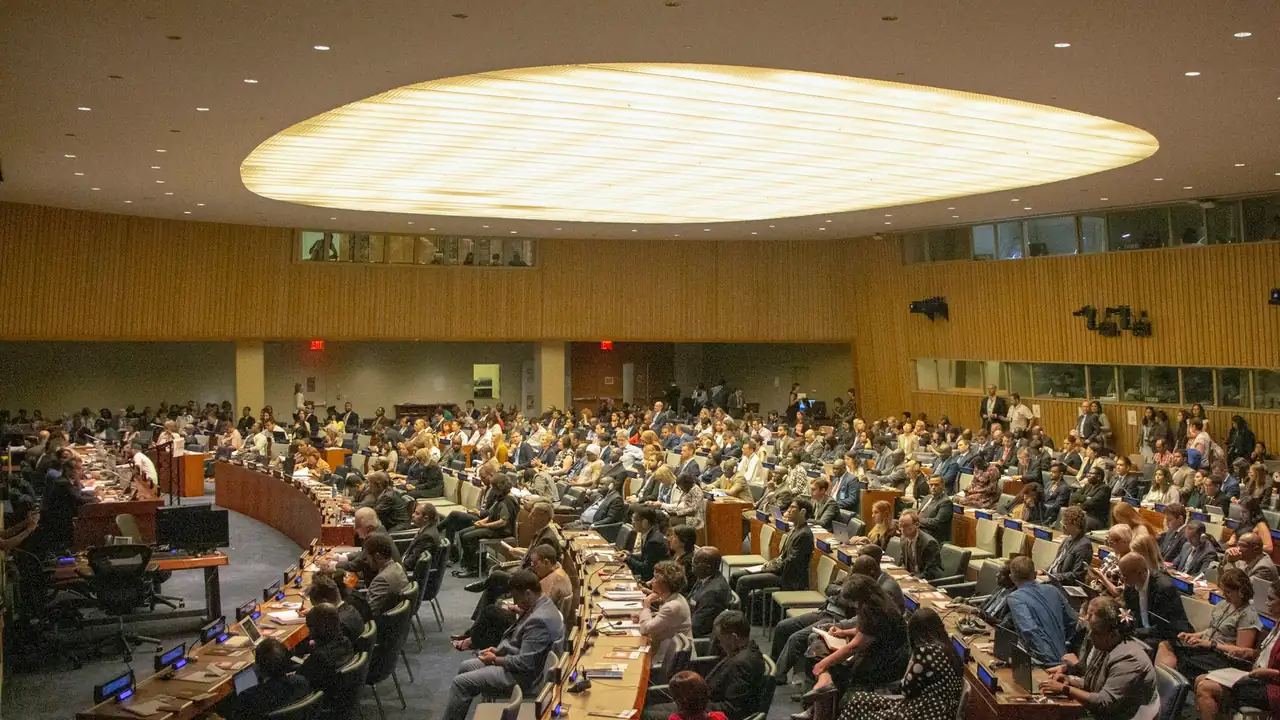
A major UN climate conference held in Antalya, Turkey, collapsed without a final agreement following a fierce dispute between nations pushing to curb fossil fuel usage and major oil- and gas-producing states.
According to media reports, this marks the first time global climate talks have concluded without consensus since the 2009 Copenhagen summit, and only the third instance in the past three decades. The European Union, alongside vulnerable island and low-lying nations, rejected the proposed draft agreement, arguing it was stripped of vital protections and favored fossil fuel exporters.
Stakeholder Positions and Stalemates
A bloc of oil-producing nations, led by Saudi Arabia and supported by Russia, systematically blocked any explicit reference to fossil fuels in the final document. Instead, Arab nations advocated for promoting carbon capture and storage technologies, a move critics dismissed as a license to continue burning fossil fuels. Saudi representative Mohammed Ayoub argued that the draft offered a comprehensive package of solutions to advance climate targets.
Speaking on behalf of the EU, Irish Climate and Energy Minister Darragh O'Brien stated that delegates would not accept a summit that whitewashes fossil fuels. European Climate Commissioner Wopke Hoekstra noted that representatives from roughly 130 countries repeatedly attempted to integrate language calling for a transition away from fossil fuels, only to face obstruction. The summit ultimately ran two days past its official deadline, making it the longest in UN history.
Geopolitical Pressures and Broader Context
The breakdown in negotiations unfolded against a backdrop of escalating geopolitical and economic tensions, with global governments heavily focused on curbing soaring fuel prices. These price spikes are widely attributed to the US and Israeli military actions against Iran, disruptions in the Strait of Hormuz, and refining bottlenecks. Concurrently, US President Donald Trump, Chinese President Xi Jinping, and Russian President Vladimir Putin met in Shenzhen, China, agreeing to boost oil output and supply.
The collapse of the conference occurs just two months after the UN acknowledged failing to meet the target of limiting global warming to 1.5 degrees Celsius above pre-industrial levels. UN Secretary-General Antonio Guterres warned that the current trajectory, which points toward approximately 2.8 degrees Celsius of warming, serves as a direct recipe for disaster.