Turkey Expands Military Footprint in Somalia as Regional Tensions Rise
Somali President Hassan Sheikh Mohamad and the Turkish military chief laid the foundation for a new naval headquarters in Mogadishu, expanding Ankara's footprint as regional tensions rise alongside Israel's diplomatic outreach in Somaliland.
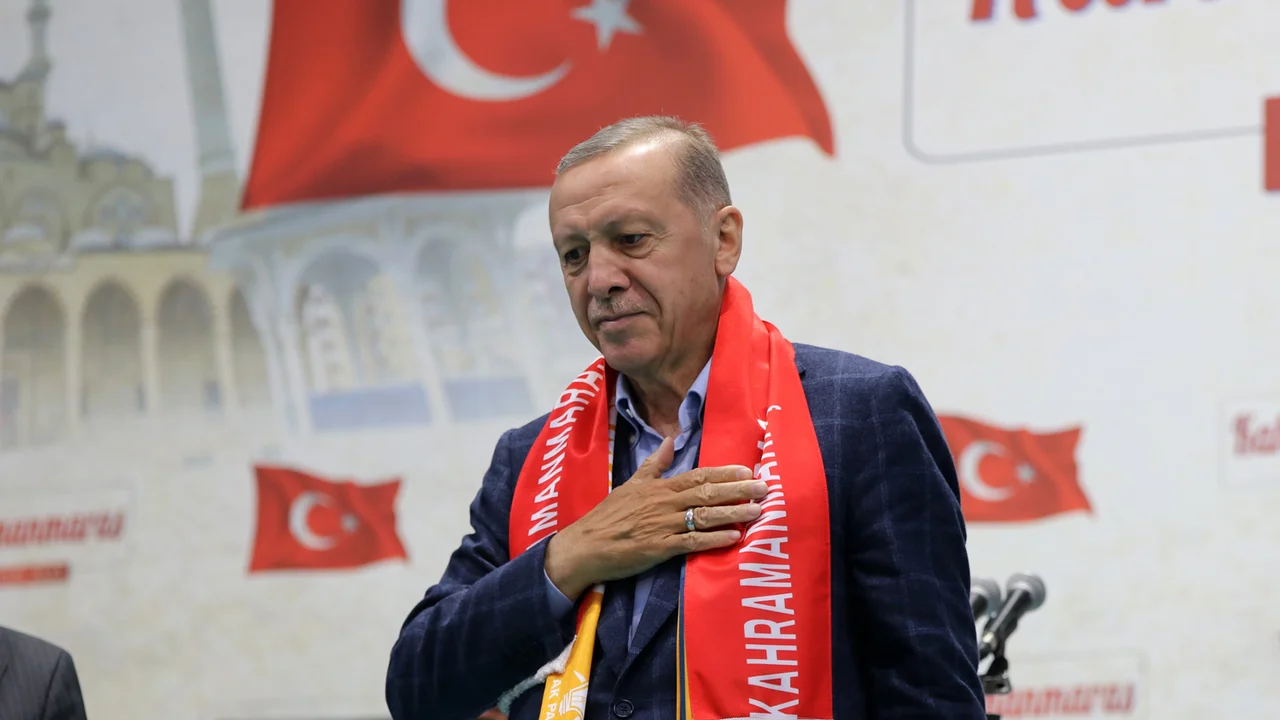
Somali President Hassan Sheikh Mohamad laid the foundation stone in Mogadishu for the new headquarters of the Somali Navy, alongside visiting Turkish Chief of the General Staff Gen. Selcuk Bayraktaroglu. During their meetings at the presidential palace, both sides pledged to expand bilateral security cooperation and intensify counter-terrorism operations. According to official announcements, the new military project includes a maritime operations coordination center and a logistics facility for naval vessels and vehicles at the Turkish naval task force camp.
Expanding Turkish Footprint in the Horn of Africa
President Mohamad emphasized that protecting the coastline, territorial waters, and marine resources remains a vital national responsibility. The speaker of the lower house of parliament noted that the naval headquarters development builds upon the comprehensive security and economic framework agreement signed between Ankara and Mogadishu in 2024. Security ties between the two nations have steadily deepened since a visit by Recep Tayyip Erdogan to Somalia in 2011, while a Turkish military training mission continues to provide tactical instruction and logistical support to Somali forces battling Al-Qaeda-affiliated Al-Shabaab and ISIS. Additionally, the Turkish Ministry of Defense confirmed that Turkish warships are actively securing drilling and support vessels stationed off the Somali coast.
Diplomatic Dynamics and Strategic Realignment
Somalia has increasingly become a focal point of international geostrategic competition due to its critical location in the Horn of Africa. As Ankara deepens its military foothold in Mogadishu, Israel has simultaneously expanded its diplomatic presence in Somaliland, which declared independence from Somalia in 1991 and operates separate governing institutions. In December 2025, Israel became the first United Nations member state to officially recognize Somaliland's independence. Foreign Minister Gideon Saar visited the region in January, and Somaliland opened an embassy in Jerusalem in June during a visit by President Abdirahman Mohamed Abdullahi. Earlier this month, the Israeli Foreign Ministry confirmed that Ambassador Michael Lotem presented his credentials to President Abdullahi, and a foundation stone for the Israeli embassy in Hargeisa was laid.
Regional Repercussions and Maritime Security
Mogadishu has strongly condemned these diplomatic steps, asserting that they violate its national sovereignty. Meanwhile, security engagement between Israel and Somaliland has drawn regional scrutiny. While Somaliland's defense minister denied negotiations for an Israeli military base, Israeli Defense Minister Israel Katz noted that both sides have cooperated for years through classified operations. Somali President Mohamad alleged in a television interview that Israel seeks to establish a naval base to secure strategic access to the Red Sea, though the claim remains unverified. Somaliland's strategic coastline sits directly opposite Yemen near the Bab el-Mandeb Strait, serving as a vital maritime chokepoint linking the Indian Ocean and the Red Sea. This geographic proximity underscores the security significance of Israel-Somaliland relations amid ongoing regional maritime threats from the Houthis, leading to broader geopolitical realignments across East Africa and the Middle East.